 English
 پارسی


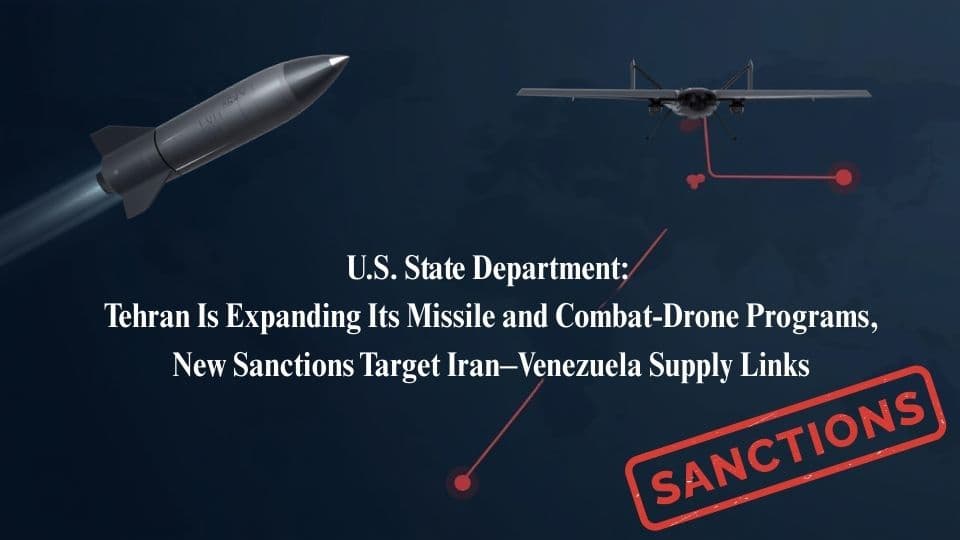
What the sanctions target
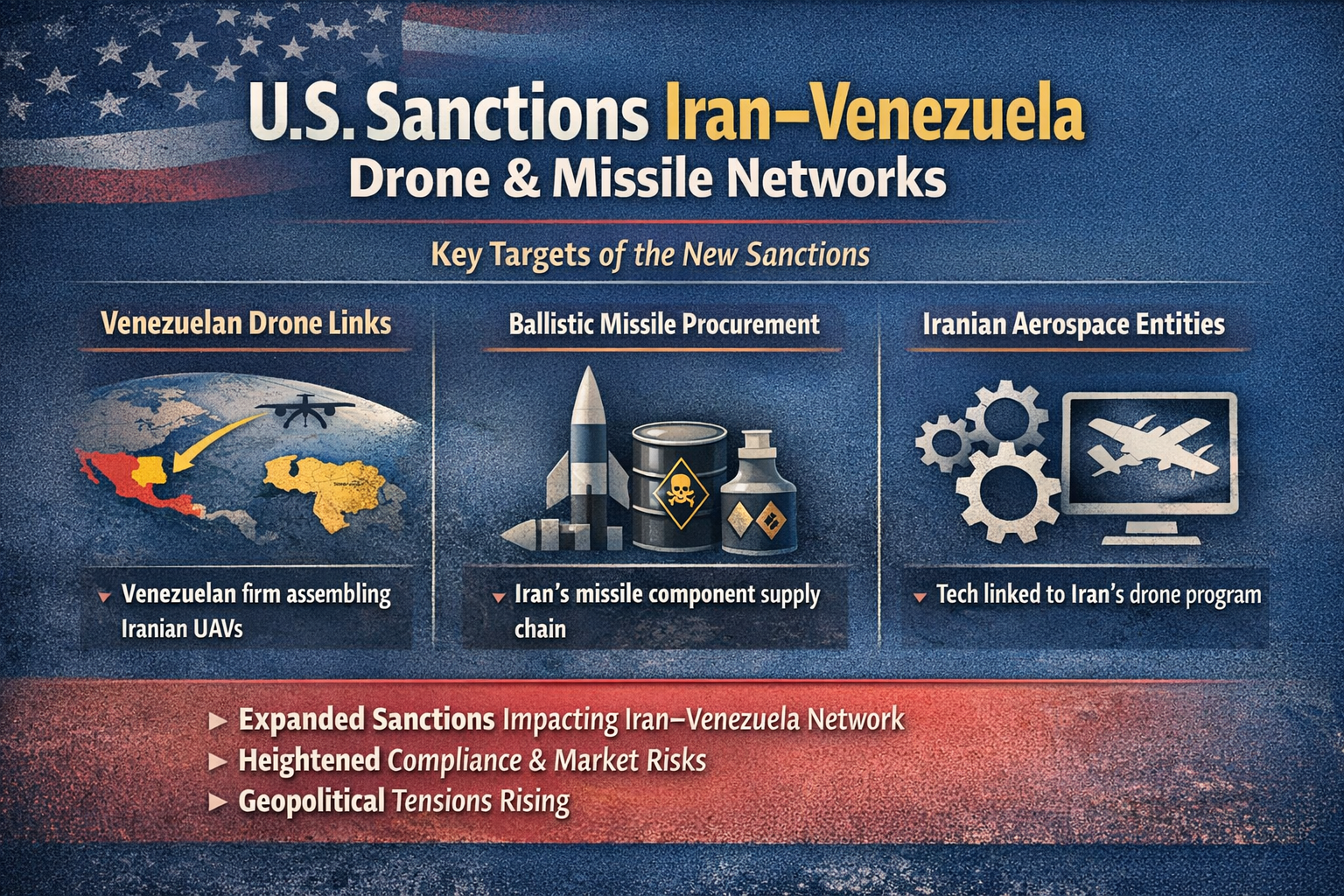
According to the U.S. Treasury’s announcement, the designations focus on three main areas:
1) Iran’s UAV trade with Venezuela
The U.S. sanctioned a Venezuelan aerospace firm, EANSA, along with its chair, alleging involvement in the assembly and maintenance of Iranian-designed Mohajer-series drones in Venezuela. U.S. officials also cited negotiations and logistics they say contributed to multi-million-dollar drone-related transactions.
The Treasury further claimed the drones are rebranded locally as the “ANSU” series, and referenced capabilities including the use of Iranian-designed guided munitions.
2) Ballistic-missile procurement network
OFAC Sanctions Explained: What They Are, Who They Affect, and How Compliance Works
The U.S. also sanctioned Iran-based individuals and an entity it alleges are connected to the procurement of chemicals and inputs used in ballistic-missile production. The stated aim is to constrain access to materials that support missile development and related supply-chain activity.
3) Entities linked to the Rayan Fan Group
Additionally, the Treasury designated Iran-based entities and individuals linked to firms it alleges are involved in producing components and software associated with Iran’s aerospace and drone programs, including supply and technical support activity.

Washington’s policy framing
The U.S. Treasury said the action was taken under Executive Orders 13382 and 13949, and referenced a U.S. presidential memorandum directing efforts to curb Iran’s ballistic-missile program and other weapons capabilities, prevent Iran from obtaining a nuclear weapon, and restrict resources available to the IRGC.
Why this matters
- Higher sanctions and compliance risk: New designations typically raise transaction and compliance risk for companies, intermediaries, logistics providers, and financial channels that may have exposure—directly or indirectly—to the named entities.
- Geopolitical signalling beyond the region: By highlighting Venezuela-linked pathways, Washington is signaling concern about Iran’s defense relationships extending outside the Middle East, not only its regional footprint.
- Potential market impact: Escalation of sanctions headlines can influence near-term pricing and volatility in risk assets, crude oil, and regional risk premia, particularly when they coincide with broader security narratives or shipping-related developments.
What to watch next
- Additional designations or stronger enforcement messaging that broadens exposure for cross-border facilitators.
- Official responses from Tehran and Caracas, including any countermeasures or diplomatic escalation.
- Security and shipping headlines that can amplify market reaction well beyond the sanctions announcement itself.
Comments