 English
 پارسی


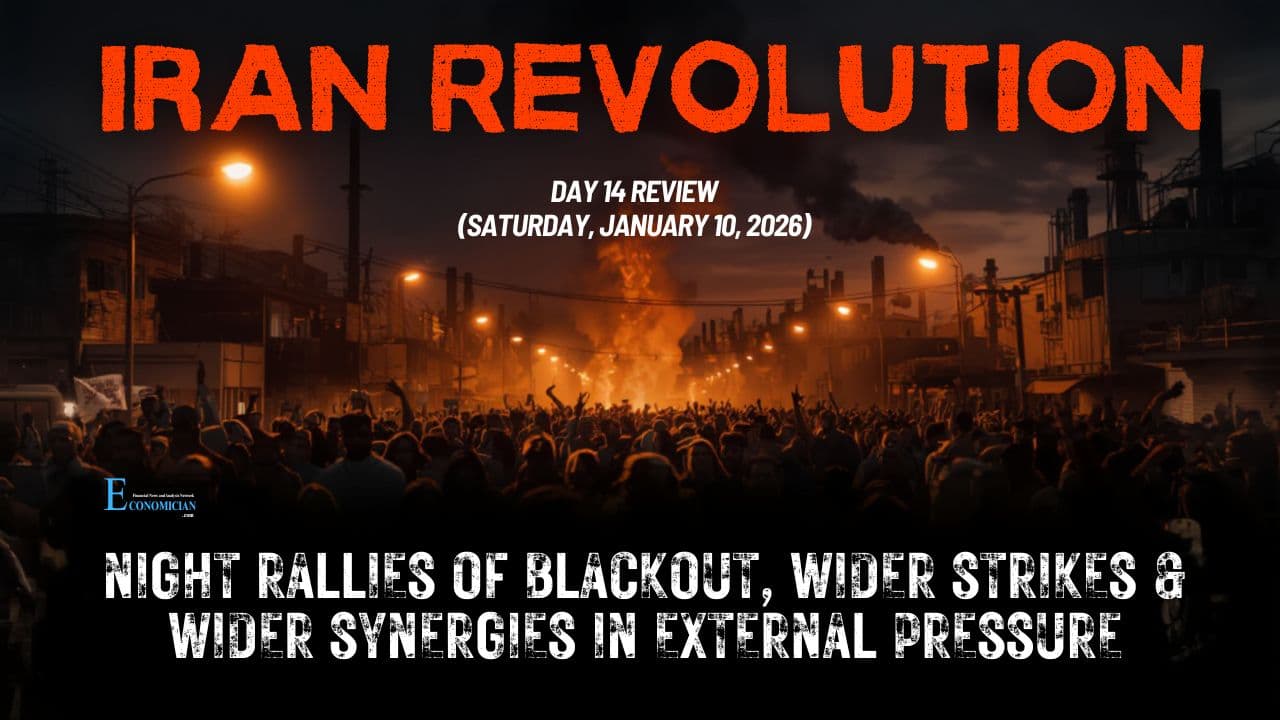
What happened on Day 14
1) Streets filled again—Tehran and beyond
Reports and circulating footage described widespread nighttime presence in multiple locations, including Tehran and Mashhad, with chants intensifying and crowds remaining visible despite surveillance and pressure. In Tehran, neighborhood-based gatherings were reported across several areas (including Shariati, Punak, Ekbatan, Heravi, and parts of west Tehran), with multiple accounts noting drone flights overhead and residents responding by raising phone lights or making noise to signal presence and coordination.
Outside the capital, videos and reports referenced continued mobilization in cities including Tabriz (chants emphasizing national unity), Ahvaz (pro–Pahlavi chants), Rasht (anti-dictatorship slogans), parts of Kermanshah, and areas around Karaj and Shahriar. Several accounts framed these as “city-center capture” style moves—short, fast, crowd-dense pushes designed to hold space, then disperse before mass arrests.
2) Crackdown indicators: live fire reports, casualties, and arrests
Day 14 also carried darker signals. Human-rights reporting and major international coverage described intensifying force, with credible warnings that the blackout could be enabling a more opaque crackdown.
International reporting highlighted that casualty verification remains extremely difficult under current conditions, even as hospitals and morgues became focal points for testimony and fear. The UN High Commissioner for Human Rights, Volker Türk, said he was “deeply disturbed” by reports of violence and called for transparent investigations and protection of peaceful protest rights.
3) Internet blackout as a core battleground
Day 14 was defined by the continuing communications shutdown. NetBlocks and international reporting indicated connectivity remained near flatlined levels nationwide, while workarounds—especially Starlink—were increasingly central to getting information out.
This informational siege shaped everything: it limited coordination, slowed confirmation of deaths/arrests, and increased the strategic value (and risk) of anyone able to transmit video or location details.
4) Opposition signaling: “be in the streets” and prepare to hold centers
Prince Reza Pahlavi’s prior call—urging people to appear at 18:00 on Saturday and Sunday (20–21 Dey) and prepare to take city centers—remained a central organizing reference across Day 14 reporting. Reuters also noted his urging for citizens to take control of city centers as unrest spread.
5) International reactions widened—from EU and UN to U.S. escalation signals
Day 14 saw a broadening set of official and high-profile reactions:
- European Commission President Ursula von der Leyen said Europe stood with Iranians and condemned violent repression, calling for restoration of full internet access and release of detainees.
- The UN Human Rights Office reiterated that peaceful protest must be protected and called for accountability.
- Major international media reported a sharper U.S. posture: President Donald Trump warned Tehran against shooting protesters and signaled U.S. readiness to help, while U.S. reporting described active discussion of military options (without a final decision).
- Reuters reported Israel moved to a higher state of alert amid concern about potential U.S. intervention and regional spillover, and that Netanyahu and Rubio spoke by phone as tensions rose.
- Reuters also reported Iran’s leadership warning that any U.S. attack would trigger retaliation against U.S. bases in the region and against Israel—explicitly framing U.S. forces and assets as “legitimate targets.”
6) Diaspora rallies amplified the message abroad
Day 14 included multiple diaspora gatherings across Europe and North America, with demonstrations outside Iranian diplomatic sites and public squares. These rallies served two functions: keeping international attention on the blackout/crackdown and reinforcing the legitimacy framing of the movement as a national uprising rather than episodic unrest.
The economic layer: strikes and price shock as fuel for momentum
While Day 14’s headlines centered on street turnout and crackdown dynamics, the underlying economic drivers remained visible. Reports pointed to price spikes in basic goods and signs of labor disruption in vital sectors, including energy. A growing strike wave—especially in oil/gas and transport-adjacent nodes—matters because it converts street pressure into systemic pressure: cash flow, logistics, and state capacity.
International reporting has repeatedly emphasized that the current protest wave began with economic distress and inflation, then escalated into direct demands for political change.
What to watch next (Day 15 — Sunday, January 11, 2026 / 21 Dey 1404)
- Can night rallies convert into daylight control of key nodes?
The tactical shift implied in “taking centers” is a different operational level—more visible, riskier, and more consequential if sustained.
- Strike breadth and coordination under blackout
If labor actions broaden despite communications constraints, it signals deeper organization than street footage alone can show.
- Crackdown visibility and documentation
With Starlink and other limited channels, documentation becomes both a protective mechanism and a target. AP reporting described increasing risks around Starlink usage and attempted disruption.
- External signaling deterrence vs. escalation
Regional alert postures and U.S. option-discussions raise the stakes. Reuters’ reporting on Israel’s alert status and Iran’s retaliation warnings underscores how quickly the situation could widen.
Verification notes
Because Iran is operating under a severe communications blackout, many Day 14 claims rely on social-video, witness statements, and diaspora relays. Major outlets and rights organizations stress that casualty figures and the full scale of arrests are difficult to confirm in real time under current conditions.
Comments