 English
 پارسی


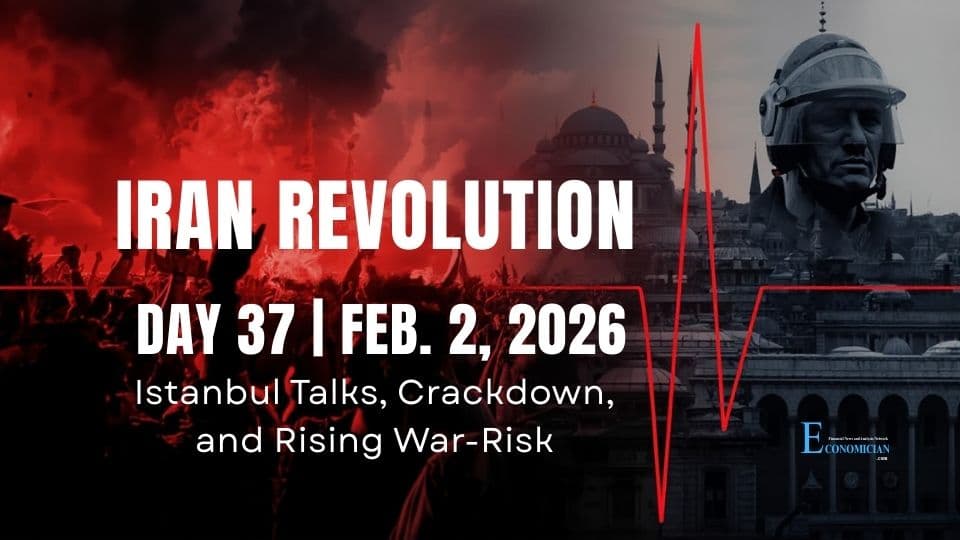
1) The big shift: talks restart, but under explicit coercion
A first direct U.S.–Iran contact since the breakdown of prior talks is now expected this Friday, hosted in the Turkish venue, with the agenda centered on a possible nuclear arrangement and “terms” for re-opening a channel.
The diplomatic track is not happening in a vacuum: multiple reports frame it as “talks under pressure,” with Washington pairing engagement language with visible military readiness, while Tehran signals selective flexibility but insists on red lines (notably around relocating or surrendering stockpiles) and seeks the pullback of nearby U.S. military assets as part of any package.
2) Nuclear parameters: competing headlines, hard red lines
Published news highlighted a claim (attributed to a senior Iranian official via wire reporting) that Tehran may consider handing over a large uranium quantity and even accepting “zero enrichment,” conditioned on U.S. force posture changes. That narrative is circulating, but it is being contested inside Iran’s system: another senior security-linked official publicly rejected any plan to transfer enriched material abroad and said talks are “not focused” on that option.
This matters because it defines the negotiating bandwidth: if “zero enrichment” is a trial balloon rather than a policy decision, then the near-term outcome is more likely to be a process deal (framework, sequencing, inspection access) than a final settlement.
3) Europe escalates: designation + sanctions spiral, and Tehran retaliates
The bloc’s formal terrorist designation of the Guards has become the central diplomatic accelerant on the European side, expanding the legal and political risk for entities tied to the organization.
Tehran’s immediate response has been to summon European envoys and to move toward tit-for-tat labeling of EU militaries as “terrorist,” which the bloc has flatly rejected—signaling a deteriorating channel just as the U.S. tries to open one.
Separately, the UK announced a new package targeting 10 individuals and one organization over human-rights abuses tied to the crackdown (including senior interior/security and judicial figures such as Babak Zanjani).
4) Inside Iran: crackdown mechanics become the story (detention, medicine, blinding injuries)
Day 37 reporting increasingly concentrates on how repression is being executed: mass detentions, coercion inside custody, medical access restrictions, and targeted intimidation of clinicians.
- Scale and patterning: HRANA’s day-count reporting compiled a large cumulative toll of deaths and arrests, alongside figures for injured and “under investigation,” while acknowledging the inherent limitations of verification under repression and information controls.
- Custody risks: Dataset included reporting on suspicious injections administered during detention and a rising pattern of deaths among current/former detainees; this theme has been echoed in recent reporting that frames it as a repeatable custody practice, not isolated cases.
- Medical community under pressure: Local report about detained doctors and nurses (with two reportedly freed on bail), and also an internal hospital memo insisting beds be kept available for possible wartime emergency intake—consistent with a system preparing for surge conditions. (The memo itself is not independently verifiable from open sources, but it aligns with broader “contingency posture” signals described below.)
- Eye injuries: News referenced an ophthalmologist’s warning about pellet-gun injuries driving permanent blindness; Persian-language reporting has circulated the same concern and calls for a halt to pellet use and independent review.
5) Society fractures widen: culture and sports break ranks
Two of the clearest Day 37 signals are elite “exit” gestures—public resignations/boycotts that translate street outrage into reputational damage for the state.
- A major actress posted a blunt refusal to participate in state cultural festivities and described the psychological burden of the current moment in stark terms.
- A national-team athlete announced he is stepping away, framing it as solidarity with the public rather than a sporting decision.
- Separately, the Financial Times reported a backlash after state TV content mocked dead protesters—an episode that appears to have triggered cross-ideological anger and further cultural/sport boycotts.
6) War-risk messaging rises: politics, posture, and “preparedness” statements
The dataset includes multiple “war-ready” signals: officials describing a multi-layered war phase, and U.S. defense leadership stressing readiness for military action if nuclear demands are refused. Those themes track with wider reporting that Tehran fears a strike could reignite unrest and that Washington is deliberately coupling negotiations with coercive credibility.
On the ground in the capital, a large fire at a western shopping/market area added to public anxiety; initial wire reporting did not provide casualty details.
7) Opposition and diaspora: mobilization calendar hardens
Published data noted a call for a coordinated “global day of action” on 14 February (25 Bahman). That matters because it turns diffuse solidarity into a scheduled mobilization test—especially if the state tries to deter families and networks inside Iran from amplifying it.
What changed vs. prior days (Day 37 “delta”)
- Diplomacy is back on the table—but framed as “deal-or-strike” in public messaging.
- Europe moved from condemnation to legal designation, increasing downstream economic/legal pressure vectors.
- Repression narratives are shifting from “street clashes” to “custody systems”—detention conditions, medical intimidation, and disabling injuries.
- Elite defections (culture/sport) are becoming a visible trendline, not exceptions.
What to watch in the next 24–72 hours
- Friday’s meeting format: direct vs. staged/mediated contact, and whether any “framework” statement emerges.
- Inspection and stockpile language: any sign that the IAEA access issue is traded for sanctions relief or security guarantees.
- EU–Tehran escalation loop: additional retaliatory designations and diplomatic expulsions.
- Custody-related mortality/injury reporting: whether medical professional networks publish more documentation (and whether authorities respond).
Market lens (why traders should care)
- Oil and freight risk premium: any hint the diplomacy track is failing—especially alongside force posture headlines—typically reprices crude, tanker risk, and regional insurance costs first.
- Sanctions tightening → payment/friction channels: the EU/UK steps expand compliance risks and can raise transaction costs even without immediate “new barrels off market.”
Comments