 English
 پارسی


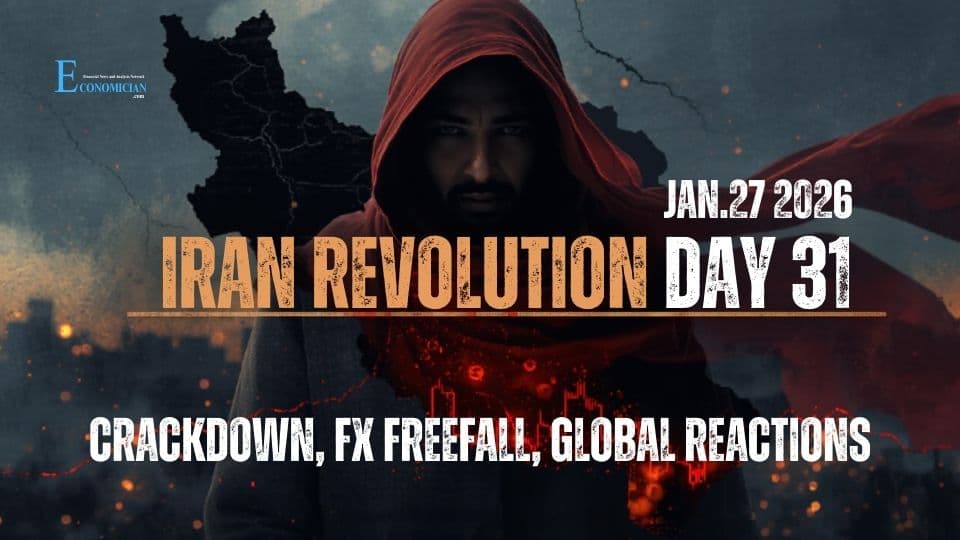
1) What happened inside Iran
(crackdown, arrests, intimidation)
- Forced silence around fatalities: Local reporting says security forces in Joyabad (Khomeinishahr, Isfahan) pressured families of those killed in the January protests, allegedly extracting written pledges and threatening relatives to prevent names being publicized and mourning ceremonies being held.
- Targeting the wounded and medical response: Multiple reports describe escalating pressure on medical workers (threat calls, clinic visits, CCTV checks) and allegations of direct targeting of wounded protesters, including an account from Mashhad alleging armed agents entered an ambulance and killed the injured inside. These claims are difficult to independently verify under blackout conditions but fit a broader pattern of intimidation of care providers described by Iranian and international medical voices.
- Universities under pressure: Iran’s press reported an alleged attack on University of Tehran’s “Shahid Arouji” dorm, including beatings of residents.
- Judicial messaging: Iranian judiciary media published images from what it described as the first trial of a protest-related defendant; rights groups criticized due-process standards and coercion concerns.
- Execution reported: Iranian judiciary outlet Mizan and multiple media reported the execution of Hamidreza Sabet Esmailpour on allegations of “spying for Israel.”
2) Economy and markets
(rial slide, inflation shock narrative)
- Currency free-fall in the open market: Open-market trackers put the USD around ~1.56–1.58 million rials on 28 Jan 2026 (≈ 156k–158k tomans), consistent with reports of the dollar pushing beyond 150k tomans and continuing to set new highs.
- Inflation pressure framing: The government’s own inflation framing remains a central accelerant of protest economics; separately, the UN and major outlets emphasize that verified casualty totals remain uncertain under blackout conditions—adding risk-premium dynamics to the currency story.
3) International reactions and diplomacy
(EU sanctions track, mediation attempts)
- EU sanctions path: Reuters reported the EU is preparing a first sanctions package tied to the crackdown, including senior IRGC-linked figures.
- Italy–Iran escalation: Reuters reported Iran summoned Italy’s ambassador after Rome signaled support for pushing the IRGC toward an EU terror listing; Rome said it would raise the proposal at an upcoming EU foreign ministers’ meeting.
- Prince Reza Pahlavi messaging: Prince Reza Pahlavi issued a new message to families of those killed, saying “freedom and justice are on the way,” and separately welcomed Italy’s stance on IRGC designation.
- Mediation signals: Reuters reported Iran’s FM Abbas Araghchi said there had been no recent contact with U.S. envoy Steve Witkoff, while intermediaries are engaged.
- Turkey’s warning: Reuters quoted Turkey’s FM Hakan Fidan saying attacking Iran is “wrong,” urging a step-by-step approach starting with the nuclear file.
4) Military posture and regional spillovers
(U.S. “armada,” shipping risk, aviation disruption)
- U.S. naval movement: Reuters reported President Trump said a U.S. naval “armada,” Apart from USS Abraham Lincoln and destroyers, is heading toward the region amid the Iran crisis.
- Aviation and logistics risk: Reuters reported airlines have adjusted operations amid uncertainty; KLM outlined steps around resuming/adjusting flights, while regional routing risk remains elevated.
- Regional stability layer: AP summarized broader Middle East concern about escalation and noted continued blackout conditions complicating verification of events inside Iran.
5) Social media / narrative signals shaping policy pressure
- Angelina Jolie posted calling for accountability for crimes in Iran, using a specific victim story as a moral catalyst.
- Bill Ackman amplified an Iran International documentary and urged senior U.S. officials to watch it, framing it as essential context for action.
- U.S. hardline rhetoric: A Reuters/AP cycle also included sharper political messaging around Iraq and Iran, while Haaretz-linked reporting and posts circulating online highlight calls by U.S. Senator Ted Cruz for arming Iranian protesters—this remains political advocacy, not policy.
Market lens (why investors care)
- FX + repression + external pressure is a classic feedback loop: deeper crackdowns and blackout conditions raise uncertainty, while sanctions talk and military deployments raise the tail-risk premium (energy/shipping/insurance), reinforcing domestic FX stress.
What to watch next (next 24–72h)
- EU Foreign Affairs meeting (Brussels): whether the package expands and whether IRGC terror-listing language gains traction.
- Execution / judiciary pace: whether more high-profile cases follow the reported execution and publicized trials.
- U.S. posture: confirmation of additional deployments, rules-of-engagement messaging, and any new “red lines.”
- Open-market USD/IRR: whether the move above ~1.56m rials consolidates or accelerates, and spillovers into gold/coin pricing domestically.
Comments