 English
 پارسی


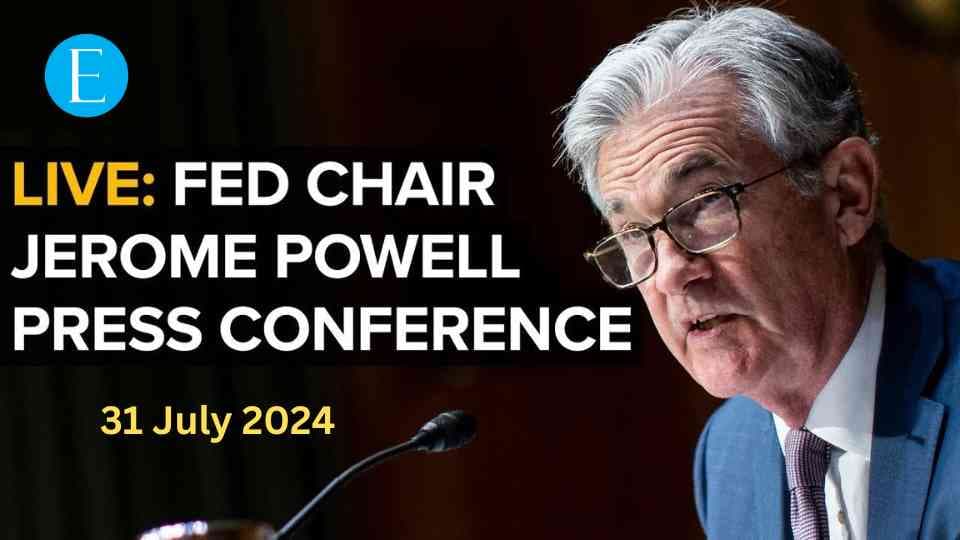
Federal Reserve Chairman Jerome Powell explains the decision to leave the policy rate, the federal funds rate, unchanged at the range of 5.25%-5.5%, and responds to questions in the post-meeting press conference.
Key takeaways
- "The labor market has come into better balance."
- "We are maintaining our restrictive stance."
- "We are attentive to risks on both sides of the dual mandate."
- "Growth of consumer spending remains solid but has slowed."
- "Investment in the housing sector stalled in the second quarter."
- "The unemployment rate remains low."
- "Data suggests the labor market has returned to where it was on the eve of the pandemic."
- "A broad set of labor market indicators show it is strong but not overheated."
- "Inflation remains somewhat above the 2% goal."
- "We need greater confidence on inflation"
- "Longer-term inflation expectations appear well anchored."
- "As the labor market has cooled, inflation has declined and risks have continued to move into better balance."
- "We need greater confidence on inflation."
- "Second quarter inflation readings have added to confidence our confidence."
- "We will carefully assess incoming data for future decisions."
- "We will take actions that promote our dual goals."
- "The policy is well positioned to deal with dual mandate risks."
- "We have made no decisions about future meetings."
- "Broad sense at FOMC is we are moving closer."
- "We are data dependent but not data point dependent."
- "The Question will be if the totality of data is consistent with rising confidence on inflation and jobs."
- "Rate cut could be on the table in September."
- "We are getting closer to being at the point to reduce rates."
- "Not quite at that point yet."
- "If we see inflation moving down quickly or in line with expectations, growth reasonably strong, and the labor market remains consistent with current conditions, a rate cut could be on the table in September."
- "Upside risks to inflation have decreased."
- "Downside risks to employment mandate are real now."
- "Policy rate is clearly restrictive."
- "Time is coming when it will begin to be appropriate to dial back restriction."
- "We'll get a lot of data between now and September."
- "We've seen some tendency to have a narrowing base of job creation some months, but not in others."
- "We do look at private demand extra carefully."
- "We have a very difficult judgment call on rates."
- "All 19 participants supported the decision today."
- "There was a real discussion about the case for reducing rates at this meeting."
- "Strong majority supported not moving rates at this meeting."
- "Policy lags beginning to show up in economy over last 6 months."
- "I feel good about where we are."
- "We are well positioned to respond to any weakness in the economy, not what we are seeing though."
- "We have a lot of room to respond if we see weakness."
- "Wage gains are still at a high level."
- "Total scope of data suggest normalizing labor market."
- "Total scope of data suggest normalizing labor market."
- "Job vacancies are still high by historical standards."
- "Can't look to history as a guide to future."
- "The picture is not one of a really bad economy, just spots of weakness."
- "We don't change our approach according to political calendar."
- "We never use our tools to support or oppose a politician or party."
- "If we stick to our part, it benefits all Americans."
- "That's what we believe and is how we always operate."
- "Anything we do before, during, or after the election will be based on data, outlook, and risks."
- "We are a non-political agency."
- "We would never try to make policy decisions based on the outcome of an election that hasn't happened yet."
- "There are always meaningful differences of views on FOMC."
- "Some people examined the case today for moving at this meeting."
- "But overwhelmingly the sense of Committee was not at this meeting, but at next meeting if data supports it."
- "No question that is now our base case."
- "The time is approaching for a rate cut."
- "Chances of hard landing are low."
- "It's neither overheating nor sharply weakening economy."
Comments