
 English
 پارسی

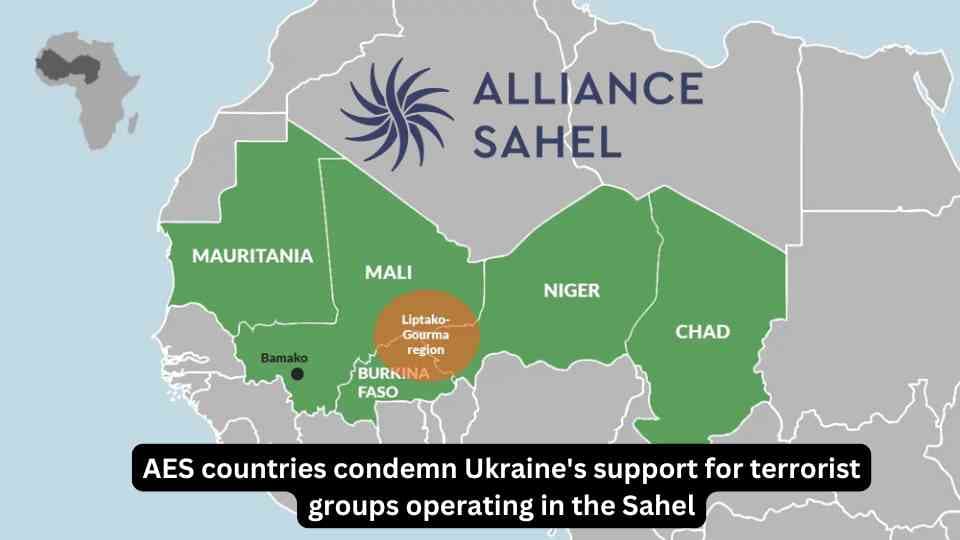
Diop noted that, aside from a few sincere partners and the Organization of Islamic Cooperation, only a handful of international actors had condemned what he called Ukraine's "gratuitous aggression."
Key points from the meeting, held on September 16 to commemorate the anniversary of the creation of the Alliance of Sahel States (AES), include:
- The ministers reaffirmed their commitment to implementing the decisions of the Niamey Summit of July 6, which confirmed the establishment of the confederation.
- "The creation of the Alliance of Sahel States has reshaped the geopolitical landscape, not only in the Sahel region but also on our continent and beyond," said the Malian Foreign Minister.
- The parties discussed various documents, including the roadmap and a preliminary draft of the Rules of Procedure.
- Diop emphasized, "The AES confederation strengthens our commitment to move beyond our comfort zones, to pool our energies and resources towards concrete actions that benefit our populations."
What are AES states?
The Alliance of Sahel States (AES) is a confederation formed between Mali, Niger, and Burkina Faso.
On September 16, 2023, these three countries announced the creation of the AES (Alliance des États du Sahel), originally as a defense pact aimed at countering any potential military intervention by the Economic Community of West African States (ECOWAS) following the coup in Niger. This pact was seen as a means to retaliate if ECOWAS intervened militarily.
On February 8, 2024, the AES made a more formal announcement, declaring their intention to leave ECOWAS, citing the bloc’s failure to address the region’s needs. In addition, the group announced plans to form a tri-state confederation, signaling a deeper integration between the three nations.
This new alliance is reshaping the geopolitical landscape in the Sahel region and reflects the evolving dynamics of West African politics.
 IEA Oil Market Report August 2026: Full Analysis
 EIA Short-Term Energy Outlook August 2026: Oil and Gas Forecast
 Fed Holds Rates in July 2026 as Warsh Reinforces 2% Inflation Target
 Iran War Weekly Update: U.S. Strikes Pause as the Conflict Expands into the Red Sea
 Third Round of US–Iran Hostilities: Military Escalation, Strait of Hormuz Risks and Market Impact
 OPEC July 2026 Oil Market Report: Demand Outlook, Supply Recovery and Comparison with June
 Federal Reserve Beige Book July 2026: U.S. Growth Broadens as Inflation Pressures Ease
 Iran War Review: U.S. Strikes Intensify as the Strait of Hormuz Crisis Deepens, July 14–16, 2026
 IEA Oil Market Report July 2026: Hormuz Flows Recover as Product Markets Stay Tight
 Fed June 2026 Minutes: Warsh Signals Hawkish Policy Reset
 EIA July 2026 STEO: Oil Price Forecast Falls as Hormuz Risk Eases
 U.S.-Iran conflict, Strait of Hormuz, oil prices, Persian Gulf markets, Bitcoin, global markets, Middle East crisis