translate English
 پارسی
English
Englishپارسی
English
Englishپارسی EnglishپارسیEnglishپارسی
U.S. President Donald Trump told Norway’s Prime Minister Jonas Gahr Støre that, because he was not awarded the Nobel Peace Prize, he no longer feels an obligation to “think purely of peace” and will instead focus on what is “good and proper” for the United States—comments reported as part of an escalating transatlantic dispute tied to Trump’s renewed pressure campaign over Greenland. (The Nobel Peace Prize is decided by an independent Norwegian Nobel Committee, not Norway’s government.)
The Jerusalem Post reports the U.S. has significantly reinforced its military posture in the Middle East in recent days as Iran tensions rise, including the USS Abraham Lincoln carrier strike elements moving toward CENTCOM’s area of responsibility and around 12 F-15 fighter jets arriving in Jordan in the past 24 hours; the report also cites additional aircraft en route and cargo flights landing at Diego Garcia, framing the build-up as widening Washington’s “all options on the table” menu if a strike on Iran remains on the table.
U.S. President Donald Trump reshared a Fox News clip from Life, Liberty & Levin on Sunday night, January 18, 2026 (28 Dey 1404), highlighting a remark by Fox contributor Marc Thiessen predicting Trump will visit a “free Iran,” “free Havana,” and “free Caracas” before leaving office—an amplification that reads as political signaling rather than a formal policy commitment, but underscores the administration’s increasingly public alignment with regime-change rhetoric amid rising Iran tensions.
European leaders say the White House misinterpreted a small European/NATO presence in Greenland, arguing the deployments were intended to **assess Arctic security risks—especially Russian activity—**rather than to challenge the United States. UK Prime Minister Keir Starmer has framed the mission as monitoring Russian activity and urged de-escalation to avoid a transatlantic trade clash, while Italy’s Giorgia Meloni said Washington “misunderstood” the move and that it was aimed at security against “other actors.”
The backdrop is Trump’s threat to impose 10% tariffs from Feb. 1, rising to 25% in June, absent an agreement on Greenland—prompting EU preparations for countermeasures. In parallel, some personnel have already rotated out: Germany’s small reconnaissance team has returned home after a brief deployment, and other participating countries have confirmed limited, short-duration missions.
Market impact: Keeps a policy-risk premium embedded in EUR assets and trade-exposed European cyclicals; supports safe-haven demand (gold/CHF/JPY) if tariff timelines harden into implementation and retaliation.
Israeli Prime Minister Benjamin Netanyahu said in the Knesset on January 19, 2026 that if Iran “makes a mistake” and attacks Israel, Israel will respond with “a force [Iran] has never known,” adding that Iran “will not return to what it was.” The remarks land amid elevated regional tension tied to Iran’s internal unrest and wider escalation risks, keeping a bid under geopolitical risk premia—most directly in oil, regional FX risk, and safe-haven positioning.
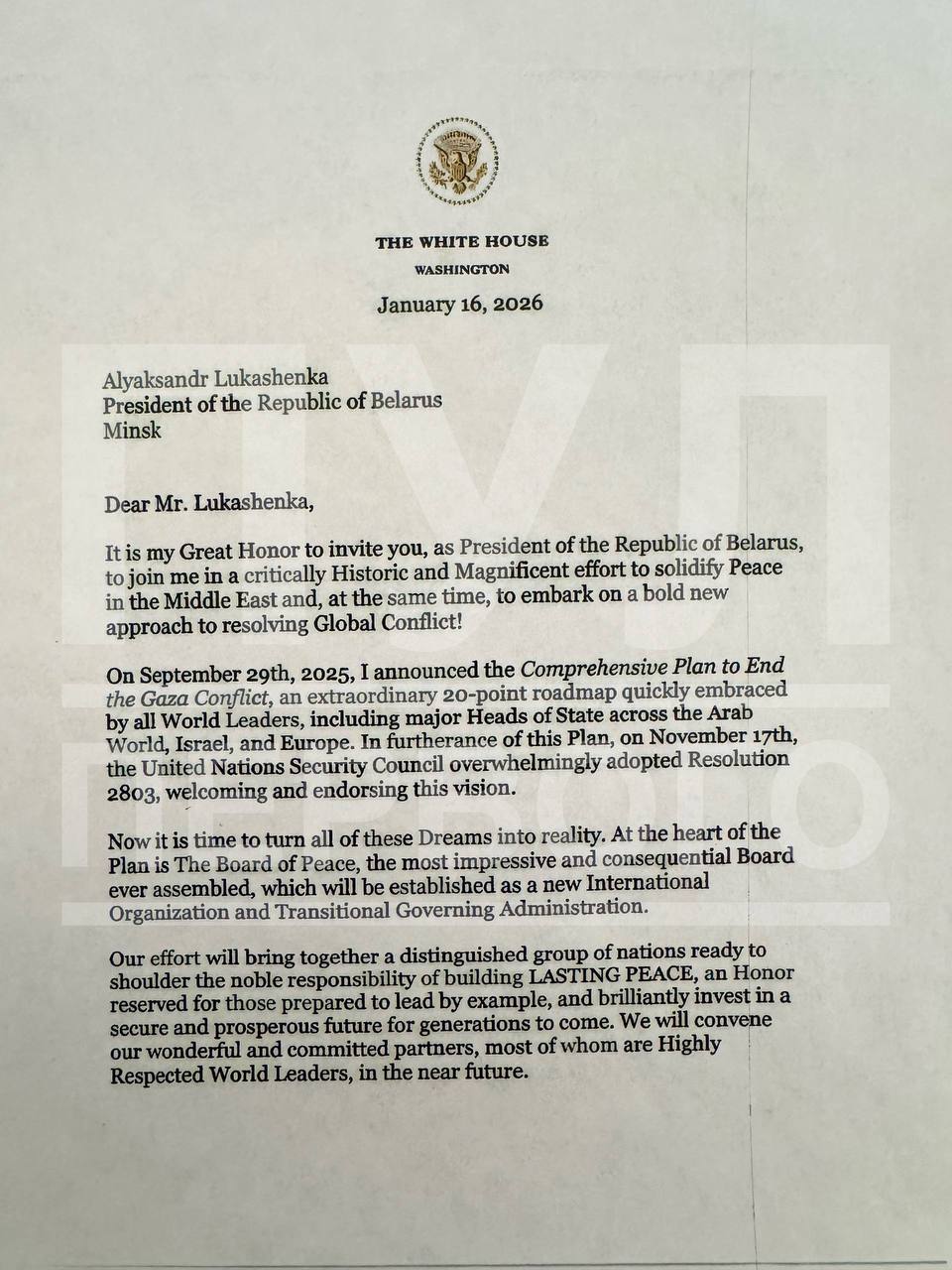
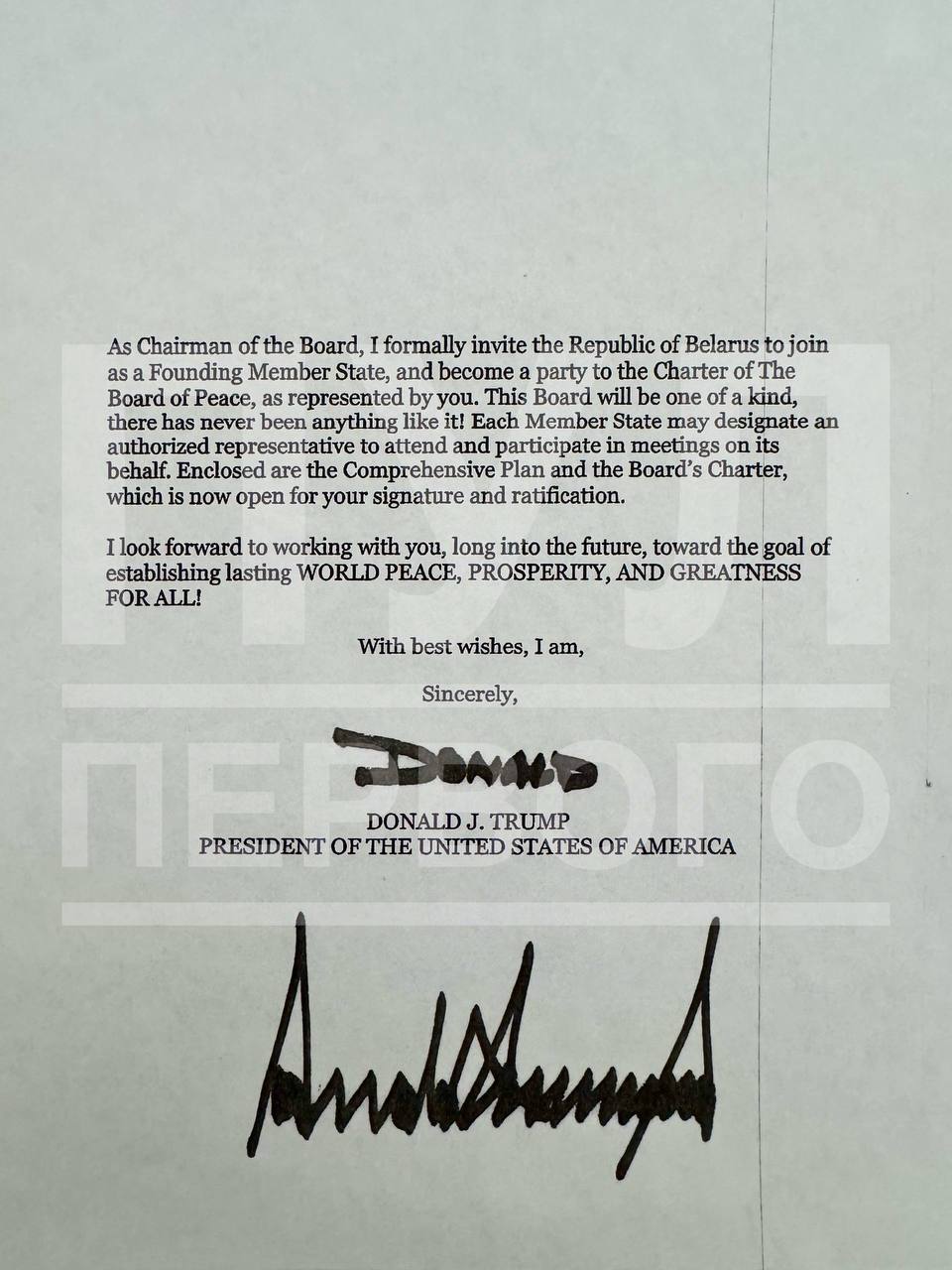
Belarus says President Alexander Lukashenko has received a personal invitation from President Donald Trump to join the Gaza-focused “Board of Peace” as a founding member, and that the proposal was “received positively,” according to the Belarusian Foreign Ministry. Minsk said it is ready to participate, while urging the body to expand its scope beyond Gaza and help build a “new international security architecture.”
Market impact: Mostly headline-driven; marginally supportive for Belarus country-risk sentiment if it signals deeper U.S. engagement, but the dominant effect is broader geopolitical volatility—typically supportive for safe havens (gold/CHF/JPY) when rhetoric escalates.
Hungary’s Prime Minister Viktor Orbán said Europe is “actually controlled by a German war troika,” naming European Commission President Ursula von der Leyen, German Chancellor Friedrich Merz, and European People’s Party leader Manfred Weber as the three figures who “shape Europe’s war policy today.” Orbán made the remarks during a domestic political address, framing EU support for Ukraine as “pro-war” and arguing Hungary must stay out of the conflict.
Market impact: Mainly headline risk—can add to HUF and Central Europe asset volatility if it feeds EU cohesion concerns, while reinforcing the defense/spending narrative elsewhere in Europe; broader EUR impact is usually limited unless it triggers tangible policy friction inside the EU.
The Kremlin said President Vladimir Putin has received an invitation to join President Donald Trump’s proposed Gaza-focused “Board of Peace,” and is studying the details before responding. Kremlin spokesman Dmitry Peskov said Moscow hopes to contact the U.S. side to clarify “all the nuances,” signaling the proposal is under consideration but not yet accepted.
Market impact: Adds near-term headline volatility across FX and rates; any credible Gaza governance/ceasefire mechanism could be risk-supportive, but controversy around the structure and participation keeps a geopolitical risk premium in play—typically supportive for safe havens (gold, CHF/JPY) if tensions rise.
China’s Foreign Ministry urged the United States to stop using the so-called “China threat” as a pretext to pursue what it called selfish interests, in comments linked to the unfolding Greenland dispute. The message signals Beijing’s intent to push back on narratives that frame Arctic or Greenland-related moves through a China-security lens, and it adds another layer of geopolitical tension to an already sensitive U.S.–Europe standoff over Greenland.
Market impact: Adds marginal geopolitical risk premium (supportive for safe havens such as gold and CHF/JPY on headline escalation), while keeping trade-policy volatility elevated; China-sensitive cyclicals and global shippers can see higher headline beta if rhetoric hardens.
Politico’s analysis—cited by multiple outlets—says a small circle of European leaders has been using a private group chat dubbed the “Washington Group” to quickly coordinate responses when President Trump makes abrupt moves, with Greenland and tariff threats adding fresh urgency. The reported participants include leaders from the UK, France, Germany, Italy, Finland, and European Commission President Ursula von der Leyen, and some accounts say Ukraine’s Zelenskyy is also looped in. Separately, an AI-generated image circulating online that purports to show the chat should be treated as illustrative rather than evidence of the discussion itself.
Market impact: Highlights a more coordinated European stance—raising the probability of retaliatory trade steps if the dispute escalates. Near-term, this can lift EUR and European equity volatility, weigh on trade-exposed cyclicals, and support defense/strategic autonomy themes, while keeping safe-haven demand elevated when headlines intensify.

European officials privately describe President Trump’s push to acquire Greenland as “crazy” and “mad,” according to a Politico analysis cited by multiple outlets, warning that the shift in U.S. policy is “in many ways… permanent” and that “waiting it out” is not a strategy. The comments underscore how the Greenland dispute is accelerating a broader European debate about strategic autonomy, as the EU also weighs retaliation tools and suspended tariff packages in response to Trump’s tariff threats tied to Greenland.
Market impact: Raises the structural risk premium for transatlantic trade and security—typically EUR-negative on headlines, supportive for European defense/strategic autonomy themes, and a headwind for export-heavy cyclicals if escalation risks harden into policy.
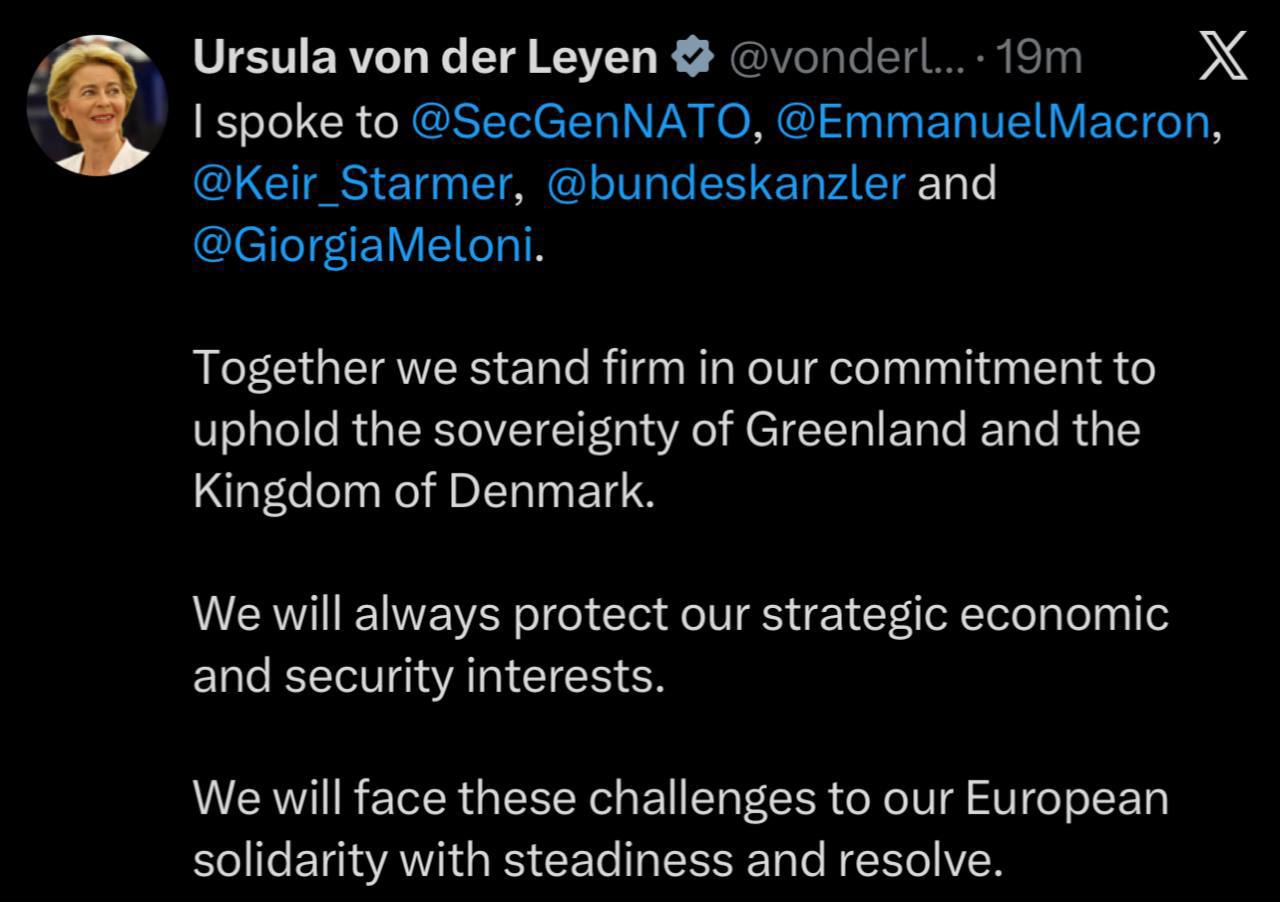
In a post on X, the European Commission president said she spoke with NATO’s secretary general and the leaders of France, the United Kingdom, Germany, and Italy, stressing a firm commitment to uphold the sovereignty of Greenland and the Kingdom of Denmark. The statement also emphasized protecting Europe’s strategic economic and security interests and responding to challenges to European solidarity with “steadiness and resolve.”
Market impact: Reinforces a more unified European posture in the Greenland dispute—raising the odds of coordinated EU countermeasures if U.S. tariff threats escalate. Near-term, this can add a policy-risk premium for EUR and trade-exposed European sectors, while supporting defense/Arctic-security narratives.