translate English
 پارسی
English
Englishپارسی
English
Englishپارسی EnglishپارسیEnglishپارسی
South Korea’s current account swung to a larger surplus in December, coming in at $18.70B versus $12.90B previously. The wider surplus points to stronger net external earnings—typically supportive for the KRW at the margin via improved balance-of-payments dynamics, especially if driven by exports and a favorable goods balance.
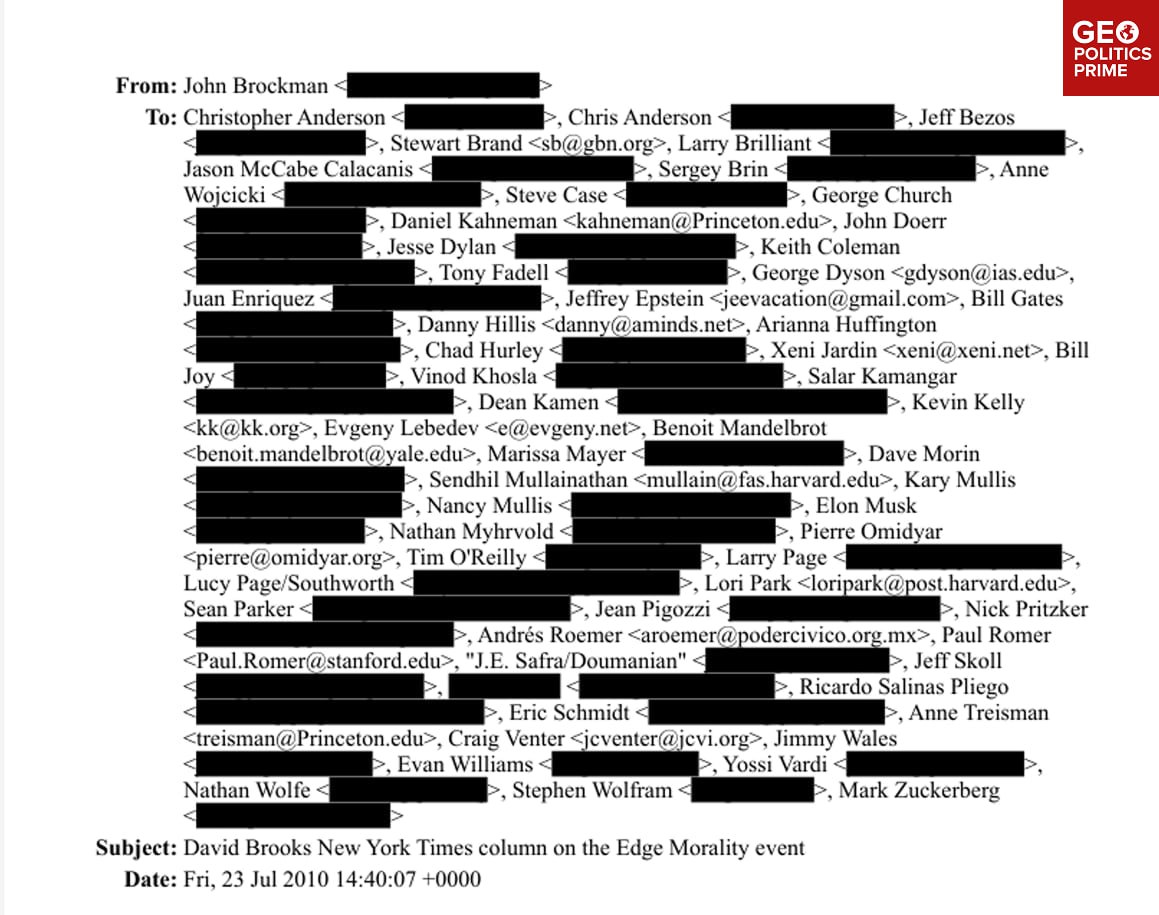
Newly released Epstein-file material is fueling fresh scrutiny of how Jeffrey Epstein embedded himself in U.S. science and tech circles—less through formal authority and more through social access and patronage. One widely shared email screenshot shows literary agent John Brockman circulating a note about a David Brooks/New York Times column to a heavyweight list of scientists and executives—with Epstein included on the distribution—illustrating how he kept proximity to influential thinkers years after his 2008 conviction. What these emails do show is networking, invitations, and credibility laundering; what they don’t prove is “unfettered access” to classified government science or any verified transfer of sensitive information. Analysts note it remains unclear whether Epstein merely sought status by cultivating scientists or attempted to shape research agendas—an ambiguity that echoes earlier reporting on his fixation with eugenics and genetics-linked “improvement” ideas.
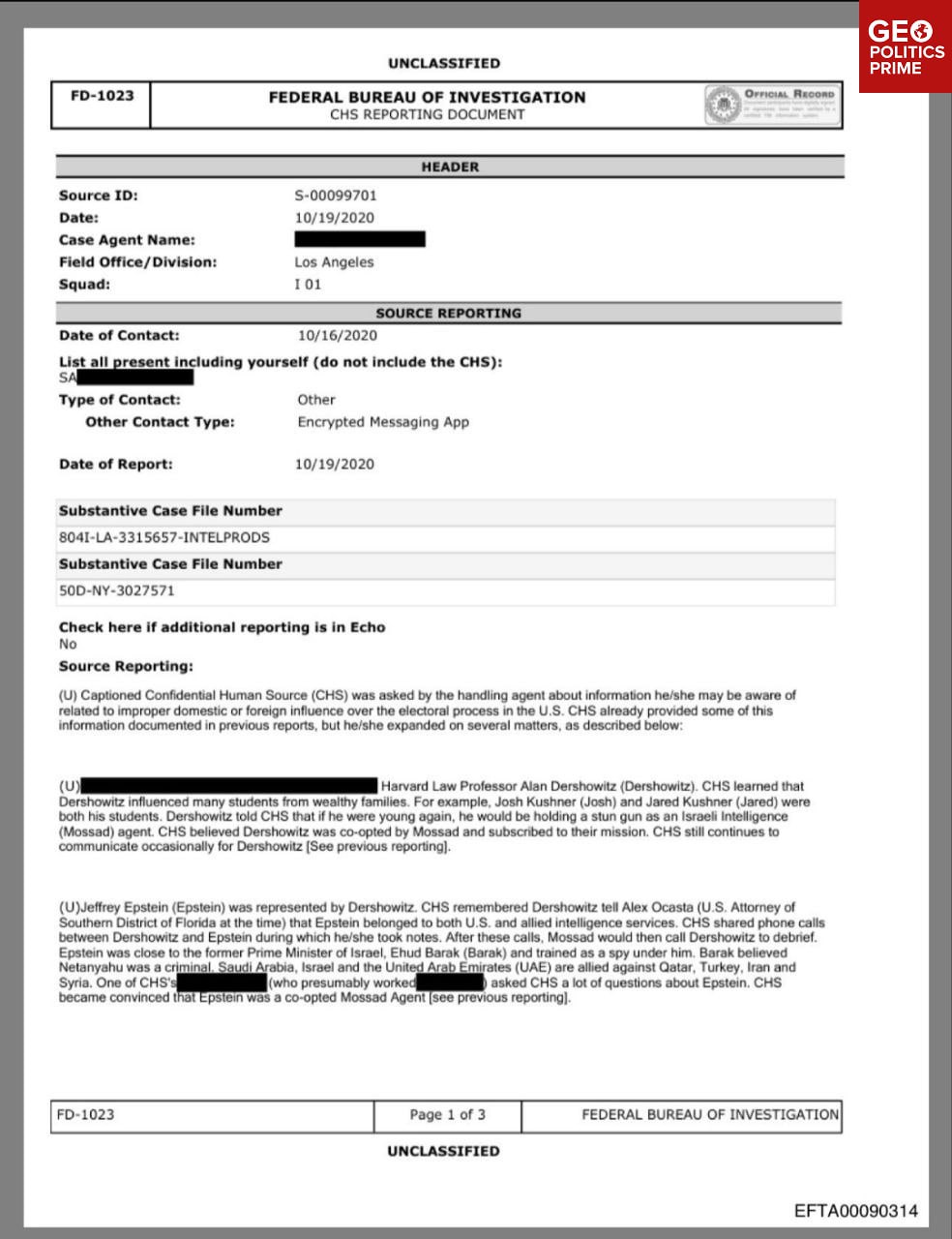
A newly circulated, unclassified FBI FD-1023 document (a confidential human source reporting form) included in the latest Epstein-file releases is being framed online as “proof” Jeffrey Epstein worked for Mossad. What the page actually shows is an informant’s account: it says the source “became convinced” Epstein was a “co-opted Mossad agent,” and it repeats claims involving Epstein’s relationship with former Israeli PM Ehud Barak and attorney Alan Dershowitz.
Crucially, FD-1023s are not vetted conclusions—they memorialize a source’s unverified statements. Oversight guidance on FD-1023 forms emphasizes they can reflect uncorroborated allegations, and DOJ’s own Epstein Library disclaimer warns the release is massive, sensitive, and imperfectly redacted.
On the pushback side, former Israeli PM Naftali Bennett has publicly called claims that Epstein worked for Mossad “totally false,” and reporting that reviewed available investigative records says no hard evidence has surfaced proving intelligence ties.
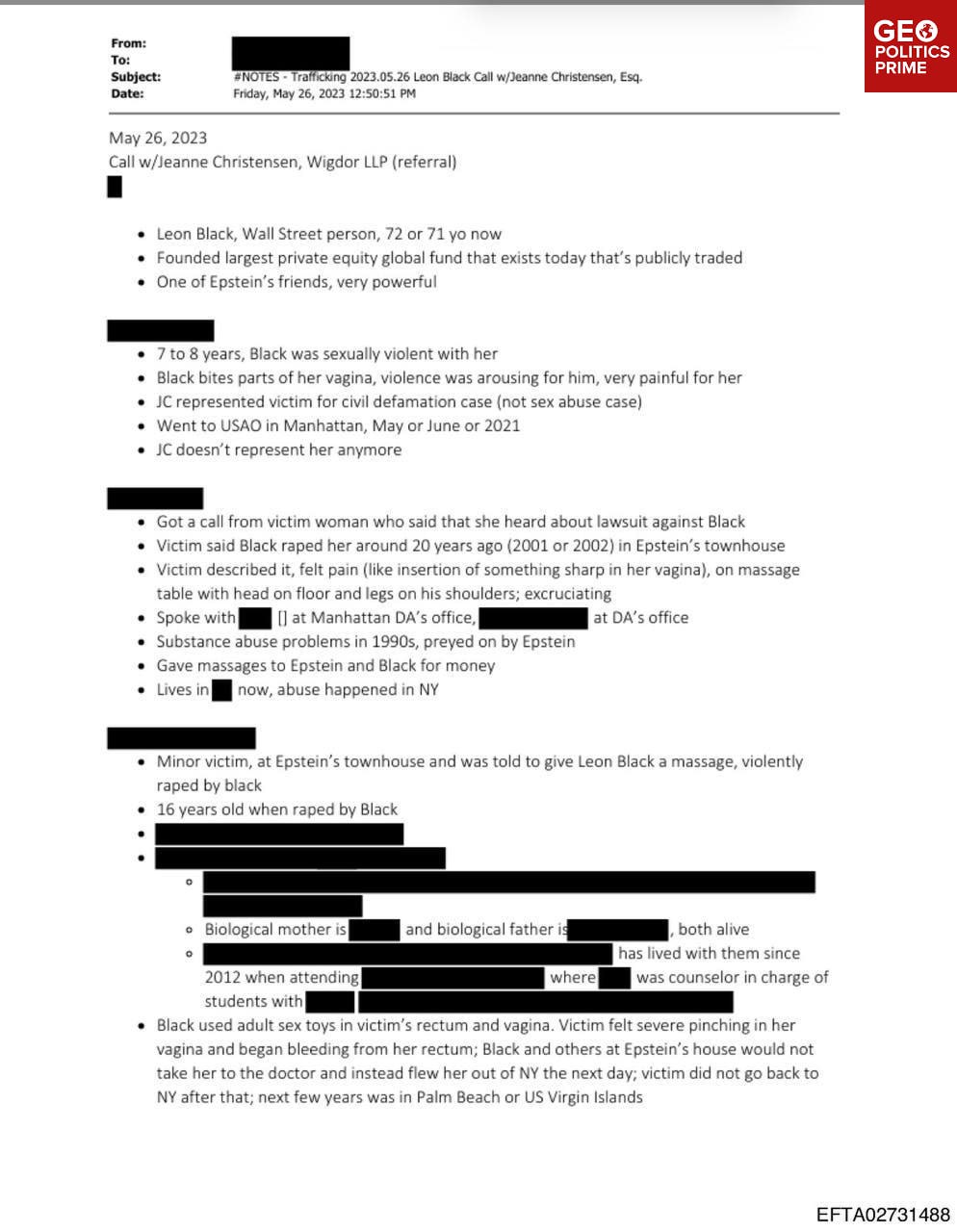
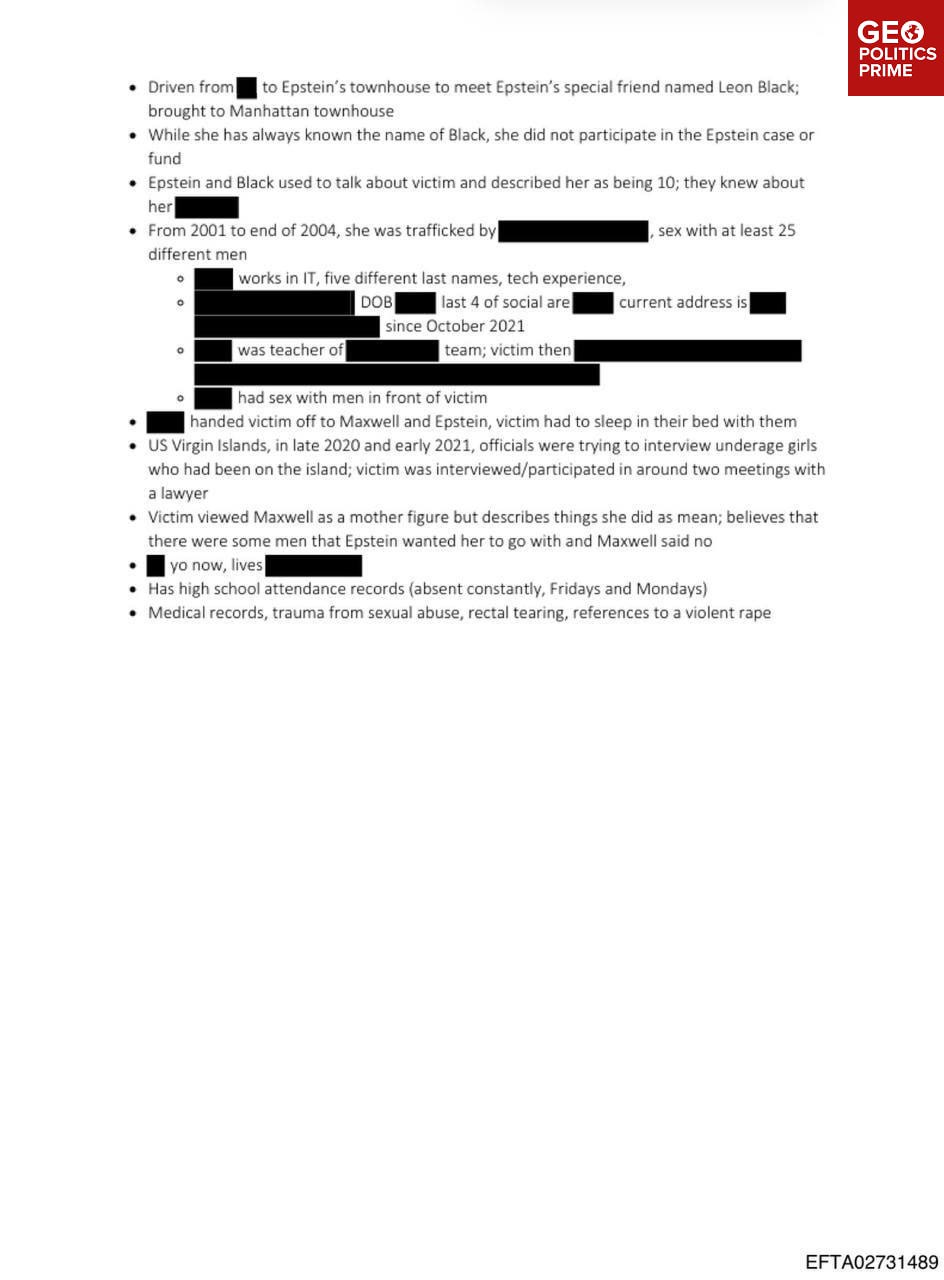
Screenshots circulating online—tagged with “EFTA” document IDs and dated May 26, 2023—appear to summarize an attorney referral call and include serious allegations linking billionaire Leon Black (Apollo co-founder) to sexual abuse and trafficking involving a minor connected to Jeffrey Epstein. The claims are unverified from the images alone, and Black has repeatedly denied wrongdoing in past cases; a high-profile lawsuit filed in 2023 alleging he assaulted a 16-year-old at Epstein’s Manhattan townhouse later ended when the plaintiff discontinued the case. The renewed attention comes as the U.S. Justice Department’s massive Epstein-file disclosures continue—an ongoing release that has also drawn criticism for handling and redaction failures.
The World Economic Forum (WEF) has launched an independent investigation into CEO Børge Brende after U.S. Justice Department disclosures indicated he attended three business dinners with Jeffrey Epstein in 2018–2019 and exchanged emails/texts with him. Brende says he was first invited in 2018 by former Norwegian deputy prime minister Terje Rød-Larsen, later attended additional dinners with diplomats and business figures, and claims he was unaware of Epstein’s criminal background at the time—adding that he would have declined had he known. WEF said the review “underscores” its commitment to transparency and integrity, noting Brende requested the probe, is cooperating, and will continue in his role while it proceeds.
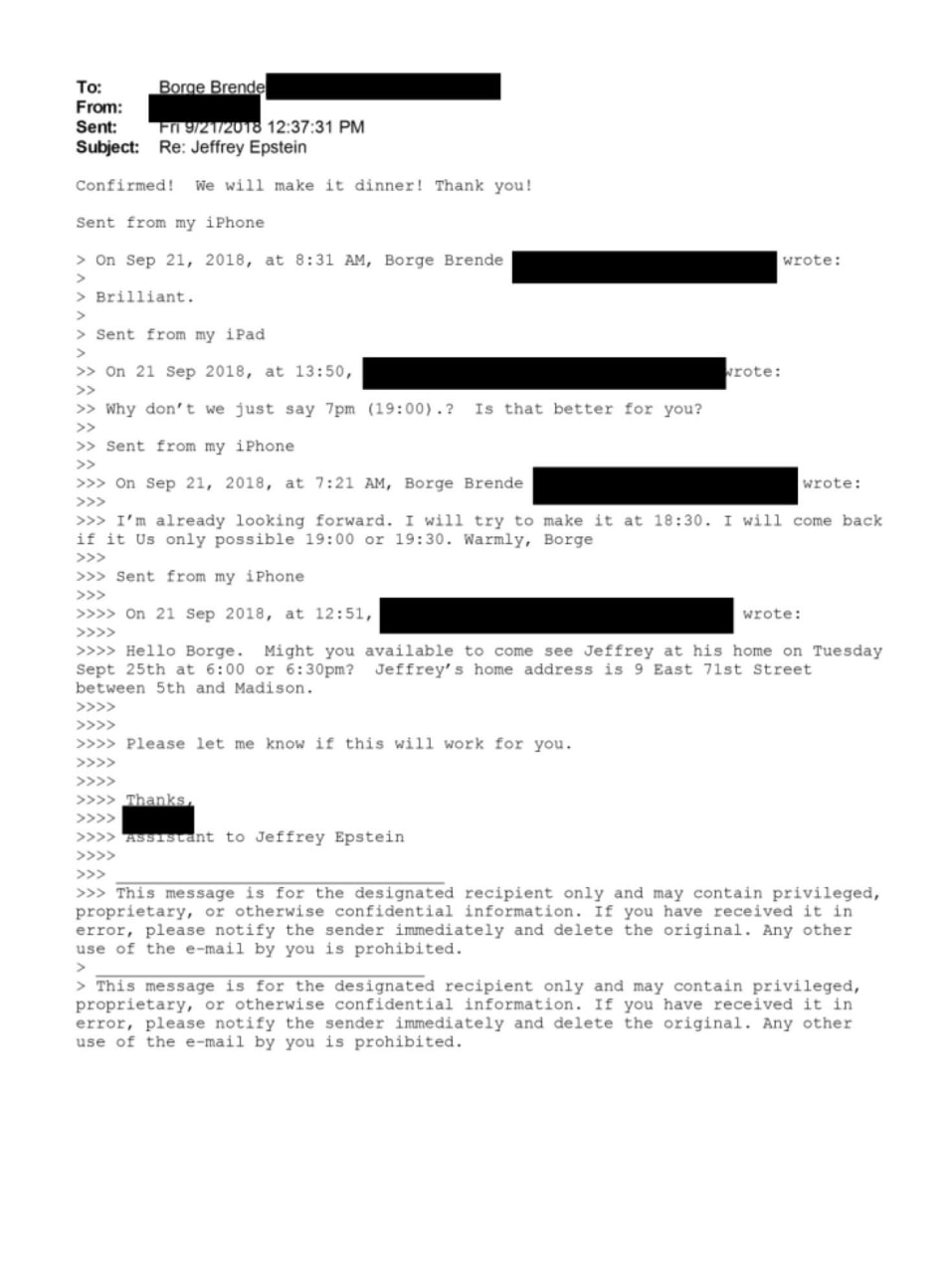
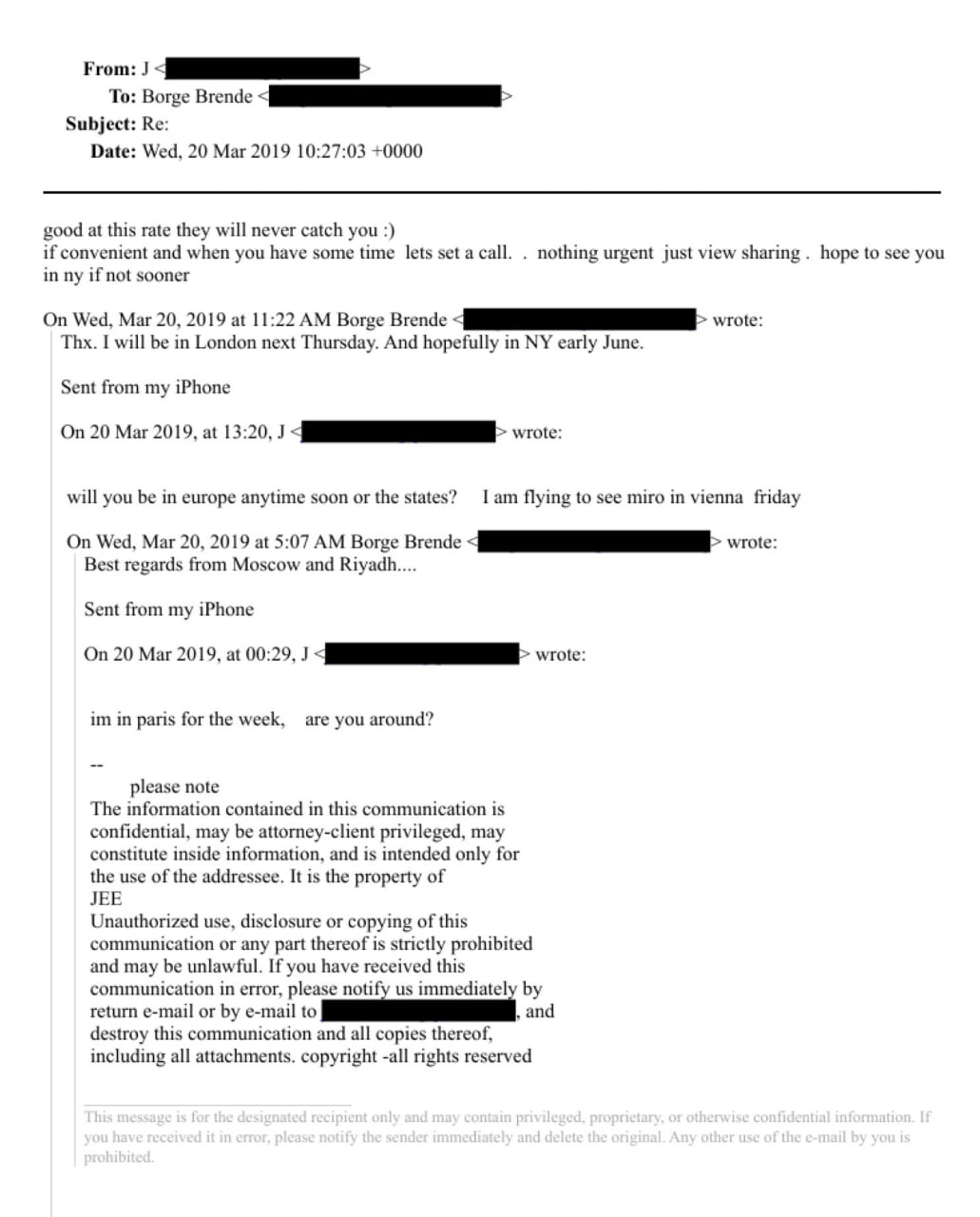
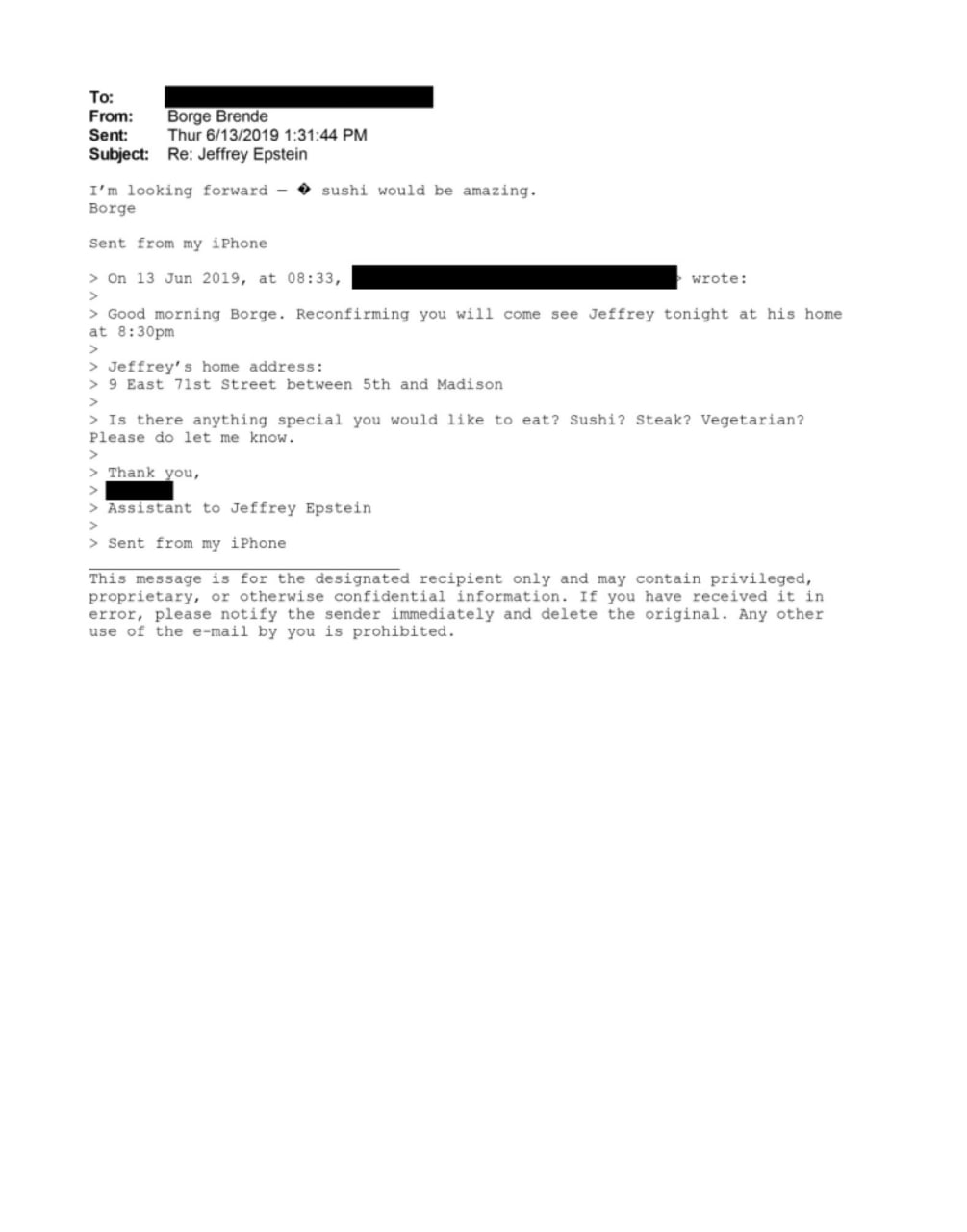
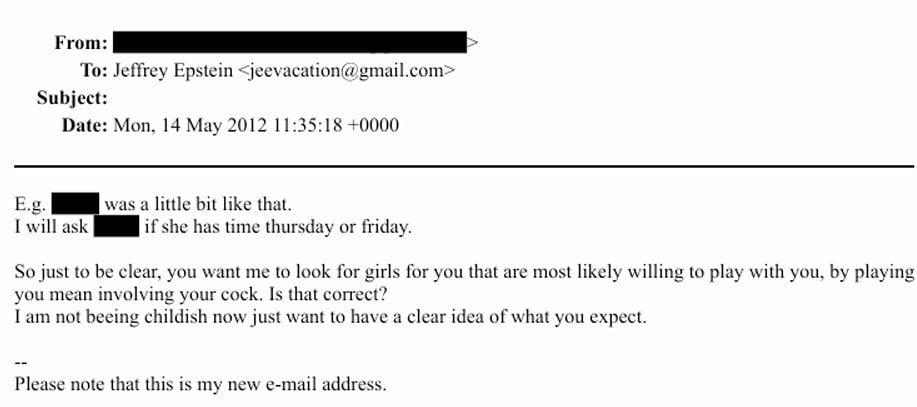
That email screenshot does not identify the sender (the “From” line is fully blacked out), so it can’t be used to name a specific “pimp,” let alone prove a protection network. In the public record, the most prominent Epstein associate convicted of trafficking-related crimes is Ghislaine Maxwell, who was found guilty in U.S. federal court and sentenced to 20 years in prison—so she is not “protected” in the legal sense. The broader “files disappearing” narrative is also muddied by the Justice Department’s acknowledged need to remove and re-post material after redaction failures exposed victim-identifying information—changes in an online database can reflect privacy corrections rather than selective shielding of specific names.
Israel’s foreign-exchange reserves increased to $233.044B in January from $229.484B previously—an improvement of about $3.56B. The larger reserve buffer strengthens external liquidity and can help smooth currency volatility. For the ILS, the direction is modestly supportive at the margin, though broader drivers—risk sentiment, geopolitics, and rate differentials—remain dominant.
Turkey’s gross FX reserves fell to $84.41B, down from $86.20B previously, signaling a modest reduction in the headline reserve stock. The net FX reserves metric also moved lower to 93.36% from 97.37%, pointing to a weaker net position by this measure. Taken together, the data suggest slightly less reserve “cushion” — variable markets watch closely for TRY stability, especially around periods of high volatility or intervention risk.
Mexico’s gross fixed investment data stayed weak in November. Investment fell -6.40% YoY (vs -5.60% expected, -5.50% prior), showing a deeper annual contraction in capex. On the month, growth slowed to +0.40% MoM (vs +0.50% expected, +0.90% prior). The mix points to softer business investment momentum heading into year-end—mildly negative for Mexico’s growth outlook and, at the margin, for MXN sentiment unless offset by stronger external demand or policy support.
Brazil’s January trade balance came in at a $4.34B surplus, below the $4.90B forecast and sharply down from $9.63B previously. The narrower surplus suggests a weaker net-export impulse at the start of the year—potentially reflecting softer commodity export volumes/prices and/or firmer imports. For BRL, a smaller trade cushion can be a mild headwind on external-balance optics, though the currency will still key off rates, risk sentiment, and capital flows.
Brazil’s foreign exchange flows showed a larger net inflow, coming in at $4.180B, up from $2.215B previously. The improvement points to stronger hard-currency supply—typically supportive for BRL at the margin, especially if driven by trade/portfolio inflows and sustained across weeks.
Brazil’s January PMI readings signaled a sharp loss of momentum. The S&P Global Composite PMI fell to 49.9 from 52.1, slipping just below the 50 line and indicating a mild contraction in overall private-sector activity. The Services PMI also cooled to 51.3 from 53.7, staying in expansion but at a noticeably slower pace. For BRL, the shift toward weaker growth optics can be a mild headwind—especially if it reinforces expectations for slower domestic demand and a less restrictive policy stance over time.