translate English
 پارسی
English
Englishپارسی
English
Englishپارسی EnglishپارسیEnglishپارسی
A quieter strand of the newly released U.S. Justice Department “Epstein files” is now surfacing: Russia-related material shows up thousands of times—5,553 mentions in one analysis (counts can vary by tranche/search method; other tallies are higher).
What’s actually documented in mainstream reporting is less about “secret control” and more about Epstein actively cultivating contacts with Russian officials and Russia-linked figures—often after his 2008 conviction—while trying (unsuccessfully, as far as the files show) to arrange a channel to Vladimir Putin.
The three Russia-linked figures most clearly described in the latest reporting
Why this matters now: Poland has publicly ordered a review of the documents for possible national-security implications, explicitly flagging potential Russia-intelligence angles—while Russia has dismissed such claims.
And a core reminder from major outlets: being mentioned in the files is not proof of criminal activity, and many “Russia/Putin” hits can come from news clippings and bulk media digests in Epstein’s records, not from direct operational links.
The latest U.S. Justice Department “Epstein files” release shows years-long correspondence between Jeffrey Epstein and Ariane de Rothschild, head of Switzerland’s Edmond de Rothschild private bank, including repeated attempts to arrange meetings in New York and Paris and a familiarity that ran roughly 2013–2019. Reuters notes the documents do not appear to show criminal wrongdoing, but they raise fresh questions about the depth and nature of the relationship; the bank says Epstein was a “business acquaintance,” that de Rothschild had no knowledge of his conduct, and that she “unequivocally condemns” his crimes. Le Monde reports the exchanges portray Epstein as an informal go-between and unofficial adviser in bank matters during that period, including introductions and strategy discussions—while also stressing it found no material implicating de Rothschild in Epstein’s sexual crimes. As the release spreads, researchers and newsrooms are also flagging a surge in antisemitic/conspiracy framing that tries to turn any “Rothschild” mention into proof of a hidden global plot—claims that remain unsubstantiated by the documents themselves.
Melinda French Gates has again been pulled into the Epstein spotlight after her CBS Mornings interview with Gayle King resurfaced—where she said she met Jeffrey Epstein once, immediately regretted it, described him as “evil personified,” and said she had nightmares afterward, adding that Bill Gates’ continued meetings with Epstein contributed to the breakdown of their marriage. The renewed attention comes as the U.S. Justice Department’s latest Epstein-files release includes draft/unsent emails and claims attributed to Epstein about Bill Gates—reporting describes these as unverified allegations, including references to STD/medication and multiple affairs; Gates, through representatives and interviews, has denied the claims and called aspects “false/absurd,” while multiple outlets note no criminal charges against Gates have emerged from the disclosures as of early February 2026.
Brazil’s IGP-DI inflation index accelerated slightly in January, rising 0.20% MoM versus 0.10% previously. The pickup suggests a modest firming in pipeline/wholesale-price pressures—something markets watch for pass-through risk into consumer inflation. For BRL, the signal is mildly supportive if it reinforces a more cautious (less dovish) inflation outlook, though the move is small.
Mexico’s consumer confidence eased in January, with the headline index at 44.0 (down from 44.6 prior). The non-seasonally adjusted reading also dipped to 44.3 (from 44.8). The decline suggests households turned slightly more cautious at the start of the year—mildly negative for near-term consumption momentum and, at the margin, for MXN sentiment if it lines up with softer activity data.
Brazil’s January auto data flagged a sharp demand setback. Auto sales fell -39.0% MoM, reversing from a +17.1% gain previously. Output also remained weak, with auto production down -13.5% MoM (though less negative than -15.8% prior). The combination points to a tough start to the year for the vehicle sector—mildly negative for near-term growth momentum and, at the margin, for BRL sentiment if it feeds into softer industrial activity.
Turkey’s Treasury cash balance showed a smaller deficit in January, coming in at -246.190B versus -333.820B previously. The improvement suggests a better near-term cash-flow position for the state—potentially easing immediate funding pressure. For TRY, tighter fiscal cash dynamics are modestly supportive at the margin, though markets will still focus on inflation, reserves adequacy, and policy credibility.
A confrontation clip shared by RT and amplified by accounts like “censoredman” shows Palantir co-founder Peter Thiel being challenged in public over claims that Palantir enables “Big Brother”-style surveillance and over his name appearing in the newly released Epstein Files—with Thiel offering little to no response on camera. The context: the U.S. DOJ’s rolling disclosure includes emails/schedules that reference Thiel among other tech figures, but inclusion in the archive is not evidence of wrongdoing; Reuters has previously reported that calendars showed planned meetings with Epstein without alleging misconduct. Palantir’s government contracts and analytics platforms have long drawn civil-liberties criticism as surveillance-adjacent, which is why the “Big Brother” framing keeps resurfacing whenever Thiel is pressed publicly.
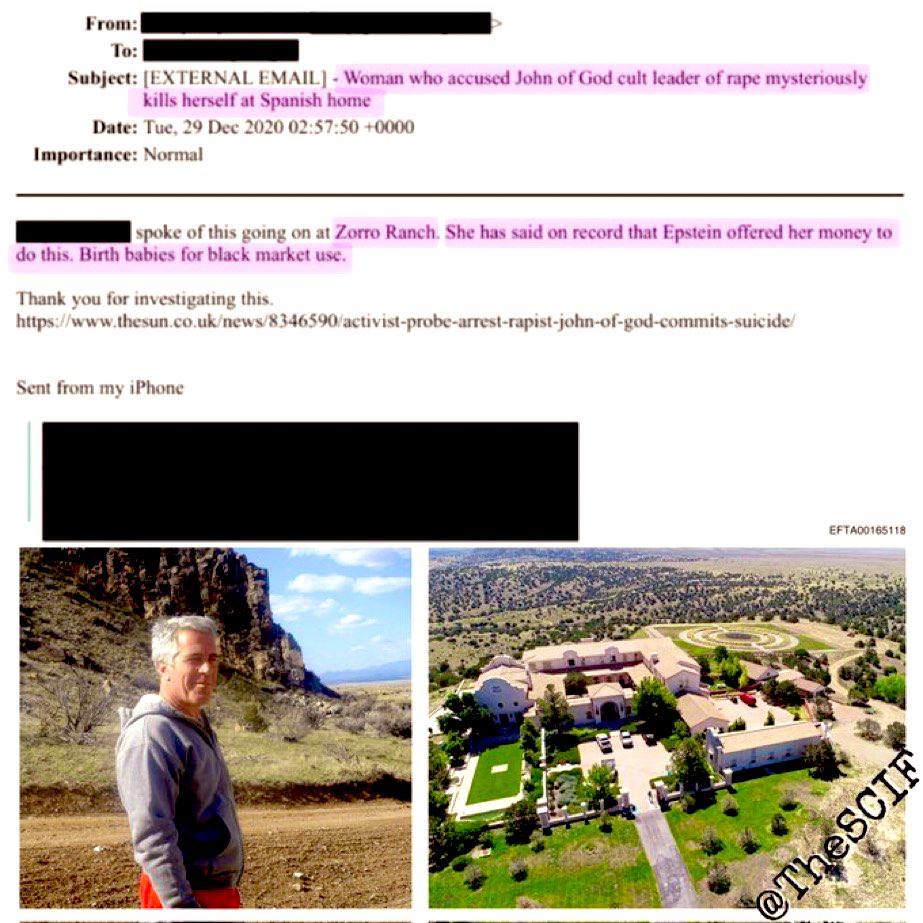
A fresh wave of posts is citing newly released material from the DOJ’s rolling Epstein-file dump to claim a woman said on record that Jeffrey Epstein offered her money to have babies, with references to Zorro Ranch in New Mexico. Epstein’s broader “seed my DNA / eugenics” obsession tied to his New Mexico ranch has been reported since 2019, but the newly circulating snippets appear to be allegations/notes rather than court-established facts. Separately, some accounts splice in Brazil’s “John of God” (João Teixeira de Faria)—a faith healer charged and prosecuted for rape/sexual assault—adding claims about an underground “lair” and people being “eliminated.” Those elements are not supported by mainstream corroboration linking them to Epstein’s Zorro Ranch, and any claims of killings remain unsubstantiated.
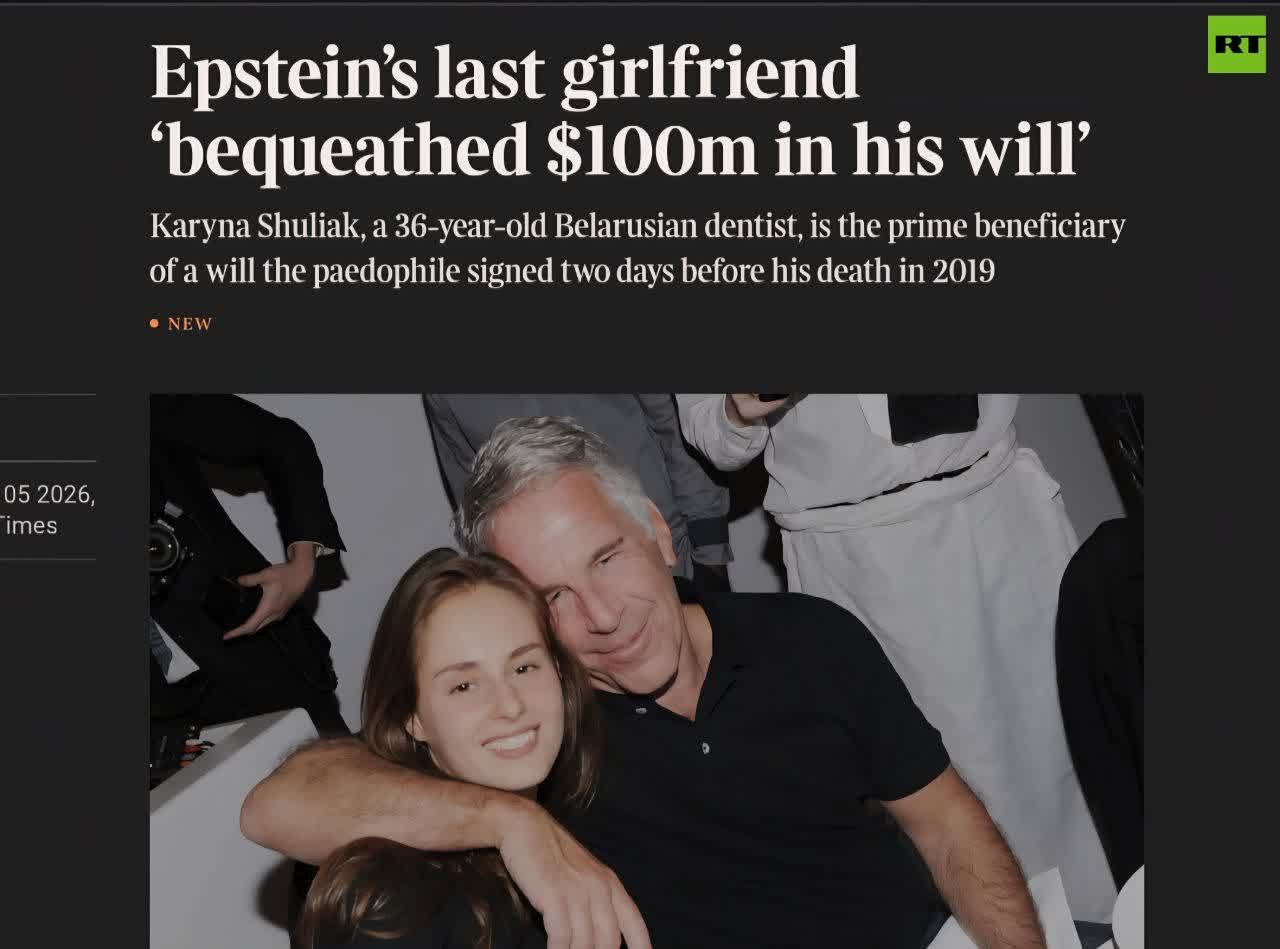
Newly released estate documents cited by The Times say Jeffrey Epstein’s final trust and will—signed two days before his 2019 death—named his then-girlfriend Karyna Shuliak (a 36-year-old Belarusian dentist) as the primary beneficiary, allocating $100 million via the so-called “1953 Trust,” including a $50 million annuity plus major property interests. Business Insider reports the same headline figure, while ABC News describes the bequest as $50 million (a discrepancy likely tied to how outlets count cash vs. total benefit and assets). In any case, multiple reports note the estate has been heavily consumed by victim settlements and legal costs, meaning the “paper” allocations may not translate into real payouts.
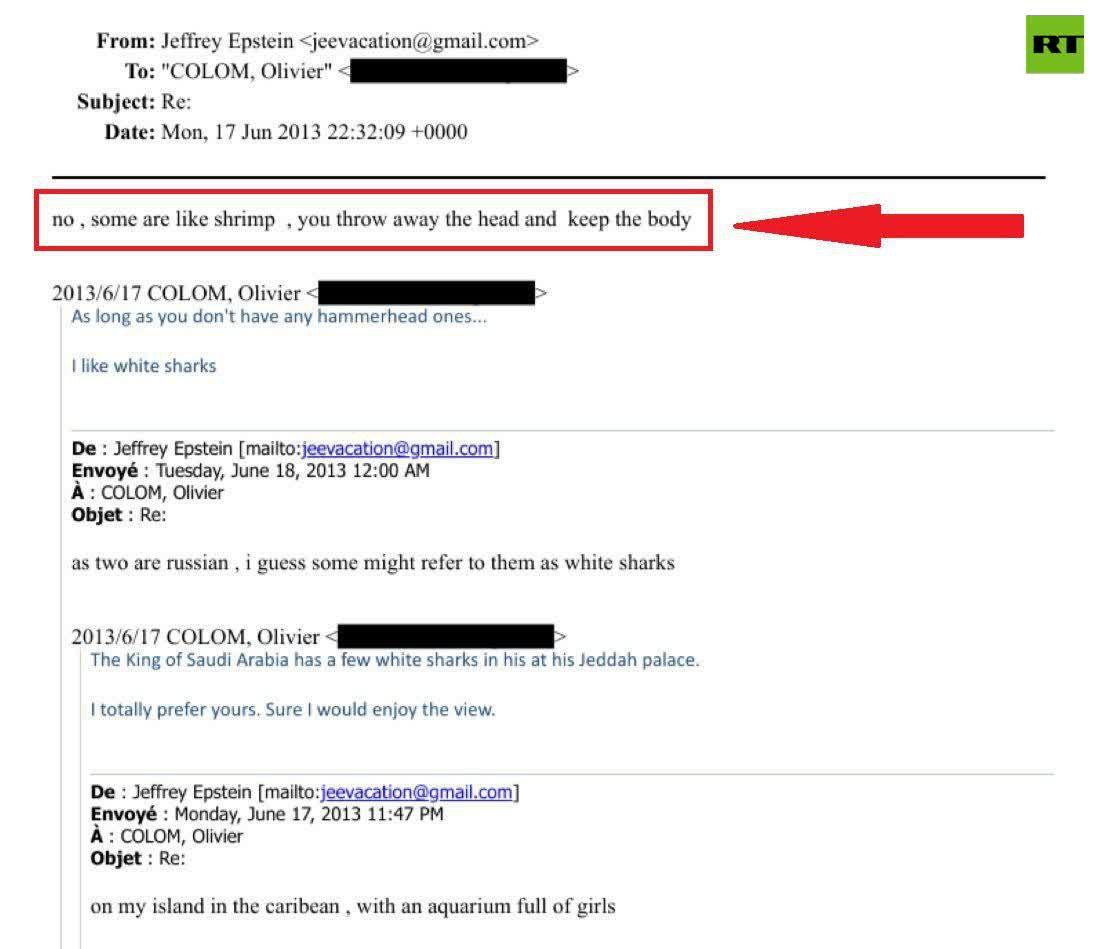
Newly released Epstein-file correspondence is circulating again after an email exchange dated June 2013 between Jeffrey Epstein and Olivier Colom—described in French reporting as a former adviser to ex-president Nicolas Sarkozy—included sexist, objectifying language about women. In one message, Epstein crudely compared women to “shrimp,” implying you “keep the body,” while the thread also references “white sharks” and an “aquarium full of girls,” language now being cited as another example of how Epstein spoke about young women while cultivating elite European contacts. Authorities have not alleged any specific crime in connection with Colom based on these emails alone, but the messages are amplifying political pressure in France for clarity on who knew what—and when.
South Africa’s external buffer strengthened in January. Net FX reserves increased to $74.877B from $71.144B, while gross foreign reserves rose to $80.19B from $75.89B. The larger reserve stock improves external liquidity optics and can help dampen currency volatility—marginally supportive for ZAR, though the rand will still be driven mainly by risk sentiment, commodities, and domestic rates.