translate English
 پارسی
English
Englishپارسی
English
Englishپارسی EnglishپارسیEnglishپارسی
The New York Times, citing a senior Venezuelan official, reported that at least 40 people—civilians and military personnel—were killed in the U.S. operation in Venezuela. U.S. officials also told the paper that several American soldiers were injured during the raid. While higher casualty figures are circulating online, the death toll remains preliminary and subject to revision as authorities compile verified counts. For markets, the episode keeps geopolitical risk elevated around sanctions, Venezuelan crude flows, and broader risk sentiment.
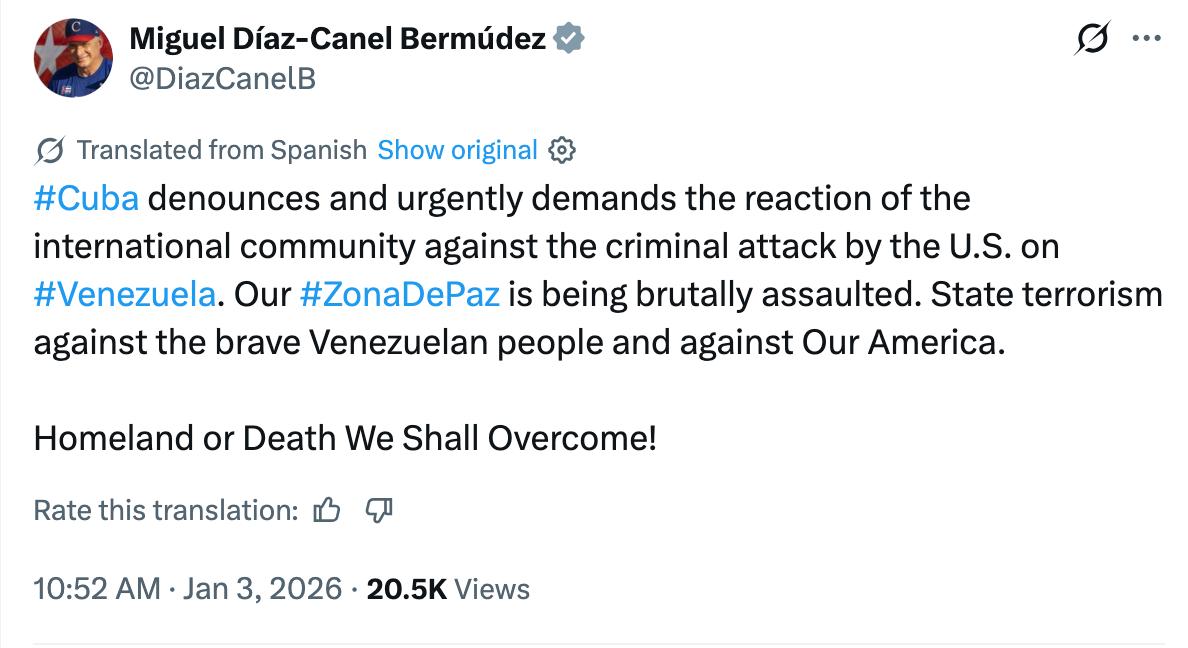
Cuban President Miguel Díaz-Canel, speaking at a mass rally outside the U.S. Embassy in Havana on January 3, denounced Washington’s action against Venezuela as “state terrorism,” arguing the real target is Venezuela’s oil and resources and rejecting any “backyard” framing rooted in the Monroe Doctrine. He pledged Cuba would stand with Venezuela “even” at extreme cost—language that underscores Havana’s political alignment and energy exposure, as Venezuela supplies a meaningful share of Cuba’s oil amid an already fragile power situation.
Bloomberg reported that Secretary of State Marco Rubio is expected to take the lead administrative role for the Trump administration’s Venezuela portfolio as Washington weighs how to “run” the country during an interim period after Nicolás Maduro’s capture. The report lands amid mixed messaging: President Trump has said the U.S. would temporarily run Venezuela, while Rubio has publicly stressed the U.S. would not directly govern and instead aims to apply leverage—particularly through an oil “quarantine” and sanctions architecture.
Israeli Foreign Minister Gideon Sa’ar wrote on X that the U.S. action to remove “the tyrant Maduro” makes the world “better and safer,” while sharing a clip from his earlier remarks to Paraguay’s National Assembly that framed Venezuela as a regional “danger” for South American allies. The messaging comes as international fallout grows over the U.S. military operation that captured Venezuelan leader Nicolás Maduro and transferred him to the United States, adding fresh geopolitical friction across the Americas.
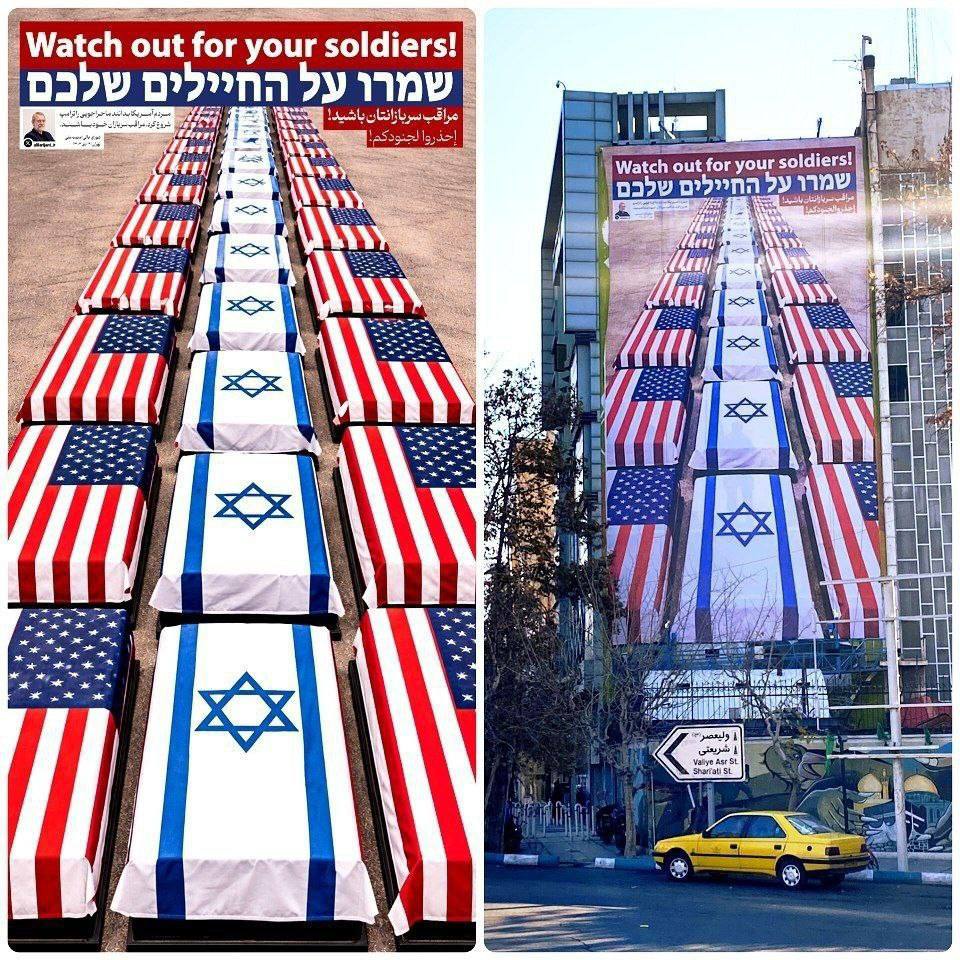
A new government-linked mural erected in Tehran’s Palestine Square reportedly depicts coffins of U.S. and Israeli soldiers and carries the warning “Watch out for your soldiers” in Hebrew and English, following Donald Trump’s warning to Iranian authorities over a crackdown on protesters and Tehran officials’ retaliatory rhetoric. The display signals an effort to project deterrence and hardline resolve amid domestic unrest and intensifying external pressure, though independent verification of the mural’s commissioning and intended messaging chain remains limited.
Iranian analyst Ali‑Sher Yazdani told Sputnik that the United States aims to shape Venezuela’s energy and political landscape to free bandwidth for global priorities such as China and Ukraine. He argued that gaining leverage over Venezuelan energy could reduce U.S. reliance on Middle Eastern oil and push Washington toward a more selective posture on regional issues, including Palestine.
President Donald Trump said the United States launched military strikes on Venezuela and captured President Nicolás Maduro, adding that the U.S. will “run” the country until we can do a safe, proper and judicious transition.” Trump also said U.S. oil companies would enter Venezuela to invest billions, repair “broken” oil infrastructure, and “start making money for the country,” positioning energy-sector restoration as a central pillar of the post-strike plan.
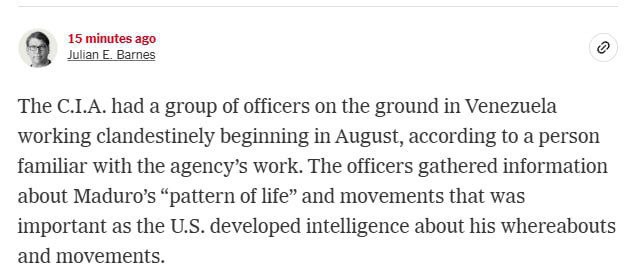
The Central Intelligence Agency had officers operating in Venezuela as early as August, collecting intelligence on President Nicolás Maduro’s “pattern of life” and movements, according to The New York Times. The report says the early presence helped build situational awareness ahead of the recent U.S. operation, underscoring months of preparation rather than a rapid, ad-hoc move.
Social-media videos circulating from Tehran appear to show a large protest turnout in Haft-Hoz (Narmak area) on the night of Saturday, January 3, 2026 (13 Dey). The footage suggests sustained urban mobilization in the capital despite heightened security pressure, though independent real-time verification of exact location and scale can be limited.
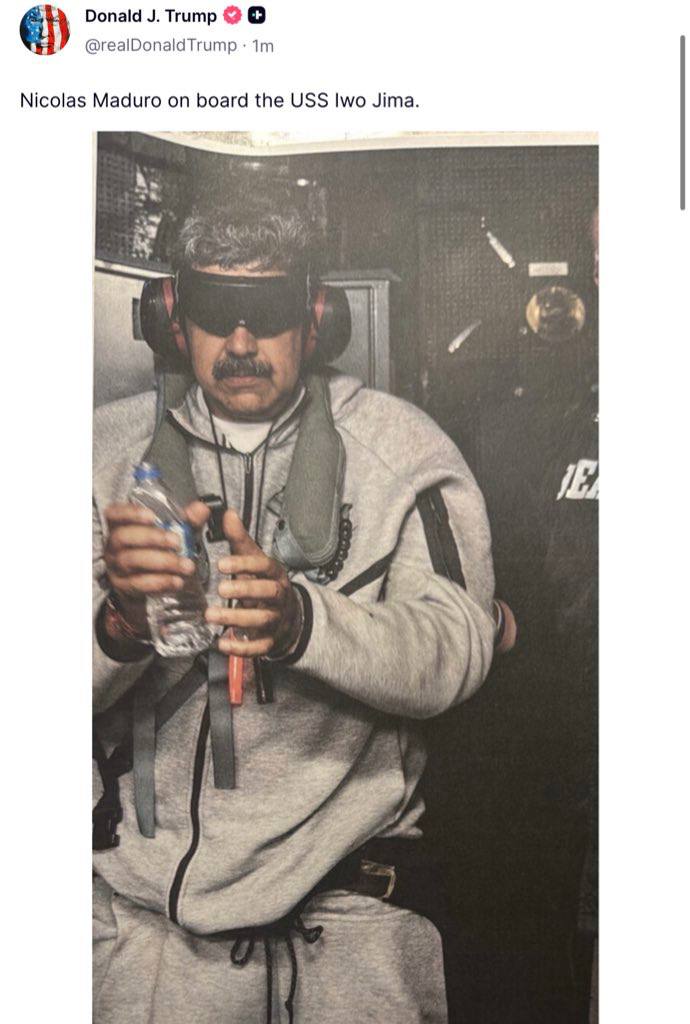
President Donald Trump said he watched the operation that captured Venezuela’s Nicolás Maduro “in real time,” praising the “professionalism” and “quality of leadership” in remarks reported from a Fox News interview. He also posted what he said was a photo of Maduro on board the USS Iwo Jima, showing a handcuffed, blindfolded man. Venezuelan officials have disputed the situation’s transparency and demanded proof of life, while international reaction has been swift and polarized.
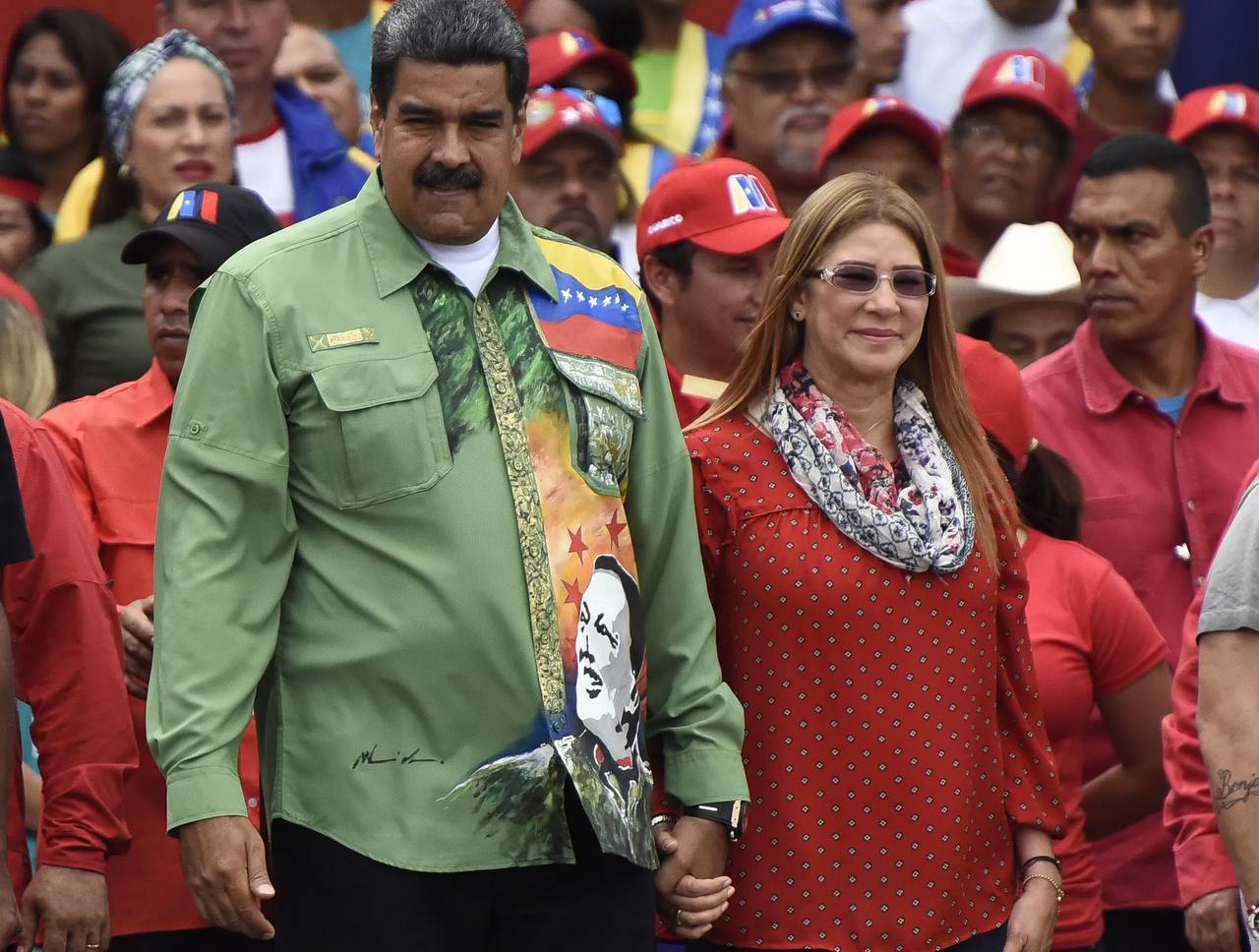
Venezuela’s Vice President Delcy Rodríguez said on state TV that authorities do not know the whereabouts of President Nicolás Maduro and First Lady Cilia Flores following the reported U.S. operation, adding: “We demand proof of life.” The statement directly contradicts President Donald Trump’s claim that Maduro and his wife were captured and flown out of the country, underscoring the fog-of-war around control, custody, and command in Caracas after the strikes.
Cuban President Miguel Díaz-Canel condemned the reported U.S. military strikes on Venezuela, calling them a “criminal attack” and urging the international community to react urgently against what he described as “state terrorism” directed at the Venezuelan people and “Our America.” His statement comes as Venezuela’s government says the U.S. struck multiple locations, including Caracas and nearby states, and has declared an emergency.