translate English
 پارسی
English
Englishپارسی
English
Englishپارسی EnglishپارسیEnglishپارسی
South Africa’s trade balance remained in surplus in January, but the surplus narrowed sharply versus the prior month—an early sign the external cushion may be less supportive if the trend persists.
Source: Statistics South Africa
Brazil’s January fiscal data showed an improvement in key metrics, with gross debt edging lower and the budget balance posting a surplus.
Why it matters: A stronger fiscal print can support sovereign risk sentiment, but the durability depends on revenue trends and the path of primary spending.
Source: Banco Central do Brasil; Tesouro Nacional
Brazil’s mid-month inflation accelerated sharply in February, coming in above expectations on both monthly and annual measures.
Why it matters: the hotter MoM print suggests near-term price pressure is re-firming, complicating the disinflation narrative even as the YoY rate eased from the prior reading.
Source: IBGE
Mexico posted a stronger current-account position in Q1, with the balance rising to 1.6% of GDP.
Why it matters: a wider surplus/share-of-GDP improves Mexico’s external buffer, even if the headline USD balance undershot expectations.
Source: Banxico / INEGI
Turkey’s unemployment rate increased in January, pointing to some easing in labor-market strength.
Why it matters: a higher jobless rate can weigh on consumption momentum and may influence the domestic policy debate alongside inflation and financial conditions.
Source: TurkStat
South Africa’s January data showed steady private credit expansion, while broad money growth eased—suggesting lending demand is holding up even as liquidity growth cools.
Why it matters: resilient credit growth can support domestic demand, but slower money growth hints at a cooling liquidity impulse—relevant for the SARB’s growth-inflation balance.
Source: South African Reserve Bank
Mexico’s unemployment rate edged higher in January, slightly above expectations, though the level remains low.
Source: INEGI (Mexico statistics)
Turkey’s foreign-exchange reserve metrics weakened, implying a smaller near-term buffer.
Source: CBRT (Central Bank of the Republic of Türkiye) — as reported
Israel’s industrial activity fell sharply in December, reversing the prior month’s jump and signaling a choppy production backdrop.
Source: Israel Central Bureau of Statistics (as reported)
South Africa’s producer inflation eased in January, with the monthly print turning negative—pointing to cooler upstream price pressures.
Source: Statistics South Africa
Brazil’s IGP-M inflation index fell in February, flipping back into negative territory.
Why it matters: IGP-M is a closely watched price gauge in Brazil (often referenced in contracts and rents); a negative print strengthens the near-term disinflation narrative.
Source: FGV (Getulio Vargas Foundation)
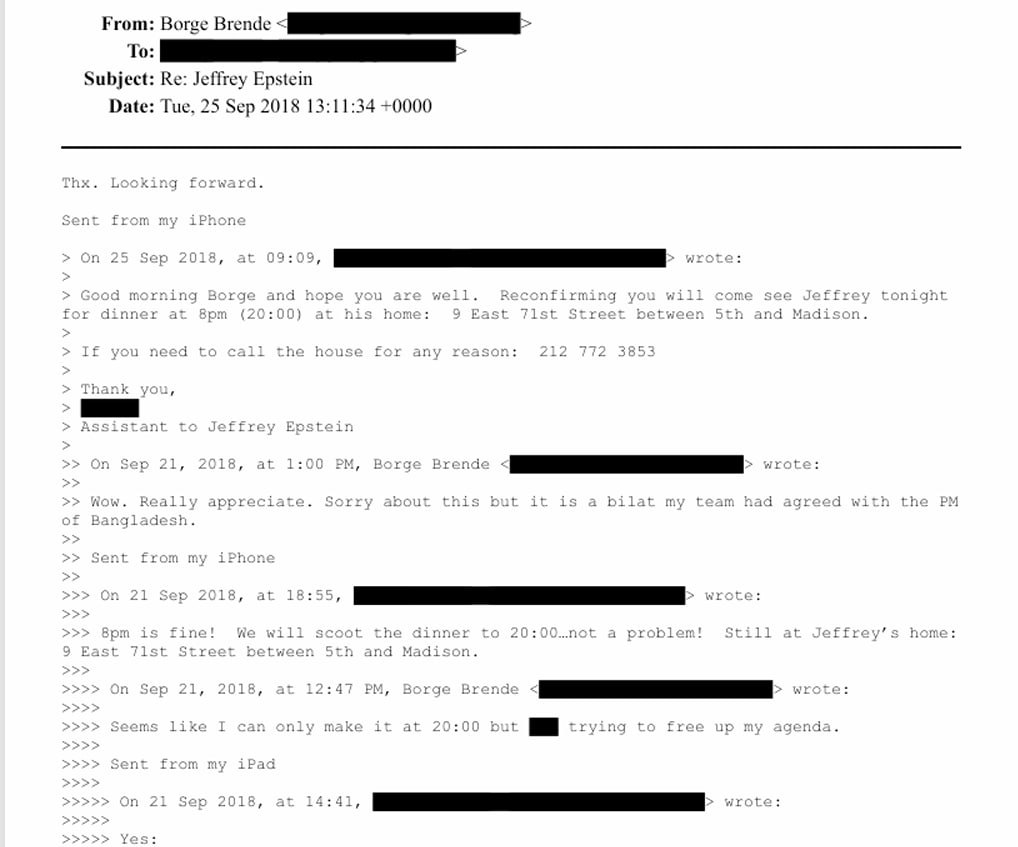
World Economic Forum President and CEO Børge Brende has resigned, saying the Forum should continue its work “without distractions,” after renewed scrutiny of his past contacts with Jeffrey Epstein.
According to Reuters/AP/FT, newly released DOJ materials showed Brende attended three business dinners with Epstein and exchanged messages in 2018–2019; Brende said he regretted the meetings and claimed he did not know the full extent of Epstein’s criminal background at the time.
The WEF said an independent legal review found no new information beyond what had already surfaced; WEF Managing Director Alois Zwinggi will serve as interim chief while a successor is sought.