IFC Markets Live Quotes

Market news roundup: Tuesday, 17 February 2026

58 short market news items, grouped by 12 sections.

Iran

Persepolis CEO to Players: “If You’re Not Mentally OK, Leave” — Club Tightens the Screws

Persepolis CEO Peyman Haddadi sparked backlash after telling players on a TV program that anyone who feels mentally unfit and can’t help the team should “go”, adding the club won’t keep anyone by force.

The remarks come as the club’s leadership escalates internal pressure: after losses to Malavan and Gol Gohar, Persepolis issued a letter imposing a 20% penalty and stating that any player or staff member lacking the focus and mental calm to continue can settle and leave.

Captain Soroush Rafiei had previously described playing football amid societal turmoil as hollow—saying when people feel bad, matches in empty stadiums have no joy or quality, “but we’re forced to play.”

Iran International also noted Persepolis’ sharp dip in form since the crackdown period: 4 losses in 6 games and just 6 points from 18, a first for the club in a decade by that metric.
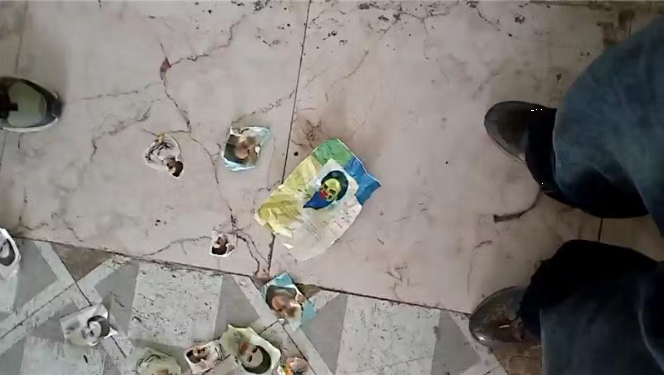
Iran Judiciary Says 8,843 Indictments Issued as Push for Faster Prosecutions Intensifies

Iran’s judiciary spokesperson Asghar Jahangir said that 8,843 indictments have been issued so far in cases tied to the arrests of protesters during the “Iranian National Revolution.”

His comments came a day after judiciary chief Gholamhossein Mohseni Ejei urged officials not to delay indictments for what he called the “main elements of the unrest,” saying the public expects swift trials and punishments.

Ejei also warned that investigations and documentation may take longer in some cases because the alleged activities can be multi-layered.

Reports say tens of thousands were detained during the unrest, and that arrests are still ongoing.

Geneva Round Two Begins: Oman Says Talks Aim for a Deal That “Meets Both Sides’ Goals”

Oman’s state media said the second round of indirect U.S.–Iran talks has begun in Geneva at Oman’s embassy/consulate, with Muscat again serving as the mediator.

According to the Omani readout cited by Iranian outlets, the talks are framed as part of efforts to find solutions leading to an agreement that satisfies the objectives and demands of both parties.

Iran’s foreign ministry spokesperson Esmaeil Baghaei said this round has moved into a more technical phase, noting the U.S. side had already held meetings with Oman’s foreign minister and IAEA chief Rafael Grossi ahead of the session.

Khamenei to Trump: “You Still Can’t Destroy Us”—And Carriers Can Be Sent “To the Seabed”

Iran’s Supreme Leader Ali Khamenei pushed back against U.S. military messaging as “40th-day” memorials for protest victims near, arguing that “more dangerous than an aircraft carrier is the weapon that can send it to the bottom of the sea.”

Referring to Donald Trump’s remarks about America’s military strength, Khamenei said Trump had effectively admitted the U.S. has failed for 47 years to eliminate the Islamic Republic—adding: “I say you won’t be able to do it either.”

Tehran’s Manouchehri Street Shopkeepers Reportedly Join Strike for 40th-Day Memorials

Reports say shopkeepers on Manouchehri Street in Tehran closed their businesses in a strike timed with the 40th-day commemorations for those killed in the “Iranian National Revolution,” describing the action as a gesture of respect for the victims.

The reported shutdown comes amid broader calls and signs of commercial stoppages and memorial-linked gatherings in parts of Tehran and other cities.

Reza Pahlavi Marks the 40th Day: Calls Fallen “Kavehs,” Urges Nationwide Memorial Participation

Prince Reza Pahlavi said the 40th day since the “eternalization of Iran’s bravest children” has arrived, describing the fallen as “Kavehs” in a post on X. He called on Iranians to attend memorial and commemorative ceremonies and to honor what he described as the victims’ courage and sacrifice.

He also emphasized unity and determination, saying Iranians will move forward together with “hearts tightened” and confidence in victory—reiterating his political goal of ending Ali Khamenei’s rule and the current governing system.

Hormuz Hours: Iran to Temporarily Close Parts of Strait During “Smart Control” Drill

Iranian media reported that sections of the Strait of Hormuz will be closed for several hours on Tuesday as part of a drill dubbed “Smart Control of the Strait of Hormuz,” aimed at ensuring navigation safety during the exercise.

The move comes amid heightened regional tensions and renewed nuclear diplomacy, with Reuters noting Iran has framed the exercise as a readiness test for naval units tasked with protecting the waterway, through which around a fifth of global oil flows transits.

Geneva Marathon: Iran Says It’s Ready to Stay “Days or Weeks” to Seal a Deal

Iran’s foreign ministry spokesperson Esmaeil Baghaei said the indirect U.S.–Iran talks in Geneva have moved into technical detail on both the nuclear and economic (sanctions) tracks, arguing that the presence of IAEA chief Rafael Grossi reflects the focus on “fine technical points.”

Baghaei said discussions are “serious” and that Tehran is prepared to remain in Geneva **for several days—or even several weeks—**to finalize an agreement. He also rejected any linkage between the Geneva track and Ukraine.

Iranians Rally Outside UN Geneva as U.S.–Iran Talks Continue

A group of Iranians gathered near the United Nations office in Geneva on Tuesday, as the second round of U.S.–Iran nuclear talks took place in the city. Photos and reports described protesters carrying Iran’s pre-1979 “Lion and Sun” flags outside the UN complex.

Boxing Coach Detained in Dehdasht Prison Starts Hunger Strike, Rights Group Says

A sports-focused human-rights group reported that Babak Armin (36), a boxing coach held in Dehdasht Prison (Kohgiluyeh and Boyer-Ahmad province), has begun a hunger strike after allegedly being severely beaten during his arrest.

According to the report, he was arrested on 18 Dey 1404 (January 8, 2026) and started the hunger strike on 18 Bahman 1404 (February 7, 2026), protesting what he described as poor detention conditions, torture, and threats to cut off phone contact.

The case comes amid reports of increased security pressure on athletes since the start of the “Iranian National Revolution,” including detentions linked to alleged support for anti-government protests.

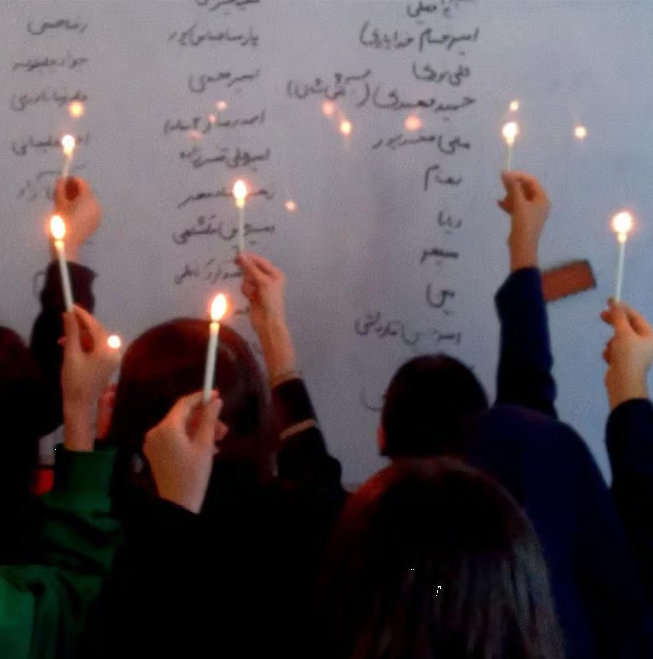
Classroom Chorus: “Iran Javan” Sung in Schools as 40th-Day Memorials Arrive

Reports and videos indicate some students in Iran’s schools have continued protest chanting despite intensified pressure and monitoring, coinciding with the 40th day of those killed in the Dey 1404 protests. Footage shared with Iran International shows groups of students singing the anthem “Iran Javan” in tribute to the “jaavidnam” victims.

Khamenei Says He “Mourns” Dey Bloodshed, Calls Protests a “Sedition”

Iran’s Supreme Leader Ali Khamenei described the nationwide protests as a “fitna” (sedition) and said he is “grieving” over the bloodshed in Dey. He divided those killed into three groups—security personnel, ordinary bystanders, and “misled” participants—and said all three are considered “martyrs.”

Khamenei also distinguished a separate category of what he called “corrupt” and “coup-plotting” agitators, saying some of them “met their fate” and that “their matter is with God.” He claimed some who joined the protests were inexperienced, later regretted it, and even wrote letters asking for forgiveness.

Farah Pahlavi Thanks “Millions” in Diaspora Rallies, Says Iran Will Be “Freed Soon”

Former Iranian queen Farah Pahlavi posted a message praising the mass turnout of Iranians abroad in demonstrations she linked to a “Global Day of Action,” saying she followed the rallies “moment by moment” and expressing gratitude for what she described as over one million participants worldwide.

She argued the mobilization reflects national will and solidarity, adding that with unity, Iran will soon be released from the grip of “demon-like occupiers,” according to the statement.

Pezeshkian Calls Protests “Abnormality,” Urges Firm Arrests and Handover to Judiciary

Iranian President Masoud Pezeshkian referred to public protests as an “abnormality” and said those responsible should be arrested “with strength and authority,” while also emphasizing they should be detained safely and handed over to the judiciary for legal proceedings.

Iran’s Internet “Goes Dark” in Multiple Cities as 40th-Day Tensions Peak

Viewers of Iran International reported internet disruptions and outright outages across several Iranian cities on Tuesday, 28 Bahman, amid heightened security pressure and memorial-related mobilizations.

Mazandaran Lockdown: Security Floods Sari and Noor on 40th-Day Anniversary

Videos received from Sari (Mazandaran’s capital) show a heavy security presence being deployed across the city as 40th-day memorials for the “jaavidnam” victims approach. Footage and eyewitness accounts describe increased patrols, with security vehicles and motorbike units visible in multiple areas.

Similar scenes were reported in Noor, where security forces and vehicles were also seen moving through the city, signaling a broader attempt to deter gatherings tied to the 40th-day commemorations.

Iran International has separately reported repeated security deployments and clampdowns around key protest-linked dates in Mazandaran and other provinces in recent weeks.

Tomatoes at the Motorcade: Protesters Target Iran Delegation Leaving Geneva Talks

Videos received by Iran International show a group of protesters throwing tomatoes at vehicles carrying the Islamic Republic’s delegation as the cars exited the Oman Embassy in Geneva, where Iran–U.S. talks are being held. Protesters also chanted: “Death to the terrorist.”

Dollar Jumps to 163,000 Toman as Geneva Talks Add Volatility

Iran’s open-market USD price climbed to around 163,000 toman on Tuesday, with some market reports citing an intraday high near 163,240.

Price trackers also showed the dollar trading broadly in the 161,700–162,600 toman range during the day, underscoring sharp, headline-driven swings.

The move came as Iran–U.S. negotiations continued in Geneva and after fresh political messaging in Tehran, keeping the currency’s risk premium elevated.

Gunfire Claims Emerge From Abdanan 40th-Day Memorial

Videos circulating on social media appear to show government forces firing toward crowds during 40th-day memorial gatherings (“chehelom”) in Abdanan. Protesters can be heard shouting as shots ring out, though the footage has not been independently verified.

Separate reporting from the same city in recent hours described street gatherings and anti-government chants ahead of the memorials, alongside reported internet disruption, underscoring the heightened security climate around the anniversary events.

Mashhad Tightens the Net: Riot Units Move In, Alleyways Blocked Toward Protest Zone

Reports from Mashhad (Sayyad–Emad Khorasani area) say riot-control units are moving toward the reported protest location and are blocking side streets and alleyways leading into the area, a tactic often used to cut off access, fragment crowds, and prevent reinforcements from joining gatherings. The situation remains fluid and details from the ground may evolve quickly.

Two Young Brothers Missing After Reported Workplace Arrest in Delijan

According to information obtained by IranWire, the family and close relatives of Afshin Parnian (23) and Mohammad Parnian (22) have had no contact or news of them since 19 Dey 1404 (≈ 9 January 2026).

Informed sources told IranWire that the two brothers were allegedly arrested on 19 Dey after security agents raided their workplace in Delijan, Markazi Province. Since then, their whereabouts and condition remain unknown, with no official clarification reported.

This type of prolonged lack of information has raised concerns among observers about incommunicado detention and the risks associated with being held without confirmed access to family contact or legal representation.

IranWire: 16-Year-Old Held in Rasht Juvenile Center Without Charges Since Jan. 9

A 16-year-old teenager named Mohammad Saeed Hajibabai has been detained since 19 Dey 1404 (≈ 9 January 2026) and is being held in the Rasht Juvenile Correction and Rehabilitation Center without a formal charge being communicated, according to information received by IranWire.

Based on the details provided to IranWire, he was allegedly arrested on the street while returning from work. No official clarification has been reported regarding the grounds for detention, raising concerns about due process — particularly given the detainee’s minor status.

IranWire: 36-Year-Old Shot During 5 a.m. Home Raid in Isfahan, Health Risks Rise in Custody

According to information received by IranWire, Amir Lali Dehqi (36) was arrested at 5 a.m. on 19 Dey 1404 (≈ 9 January 2026) after security forces reportedly raided his home in Dehq, Isfahan Province while he was asleep, shooting him in the leg and taking him into custody.

Informed sources say he has diabetes and has not received adequate medical treatment for 41 days. They report he was taken to hospital only to have the bullet removed, warning that due to diabetes the risk of serious complications — including losing his leg — is significant.

IranWire: Tehran Great Prison Detainee Held Beyond 1-Month Order, Family Says

According to information received by IranWire, a 43-year-old citizen named Amirali Moradi was arrested on 21 Dey 1404 (≈ 11 January 2026) during the crackdown that followed the reported killing of protesting citizens, and is currently being held in Tehran Great Prison.

A source close to Moradi’s family said a one-month detention order had been issued, but he has now spent 36 days in what the family describes as complete legal limbo, with no clear update on his case status.

IranWire: Isfahan Student Detained in Home Raid; Sole Guardian of Two Younger Sisters

According to information received by IranWire, Roya Rostegar, a 33-year-old citizen from Isfahan and a physical education student, was arrested on 21 Dey 1404 (≈ 11 January 2026) after security forces reportedly raided her home.

A source told IranWire that Rostegar had taken responsibility for raising and supporting her two younger sisters after the deaths of her parents in previous years, and was living with them at the time of her arrest. The report highlights growing concern over the social impact of detentions on families where the detainee is a primary caregiver.

Reuters: Iran to Submit Detailed Nuclear Proposals Within Two Weeks to Bridge Gaps With U.S.

Iran told U.S. counterparts it will return within the next two weeks with detailed proposals aimed at resolving remaining differences in the nuclear negotiations, Reuters reported, citing a U.S. official.

“The Iranians said they would return within the next two weeks with detailed proposals to address some unresolved issues in our positions,” the official said, according to the report—signaling that talks are moving into a more technical, text-driven phase as both sides try to narrow outstanding gaps.

More Iran news

Political

Geneva Talks Loom as US–Iran Tensions Stay Elevated, Trump Says He’ll Be “Indirectly Involved”

U.S. and Iranian ministers are set to meet in Geneva, Switzerland on Tuesday to discuss Iran’s nuclear enrichment activities, according to media reports. The talks come under a heavier security backdrop after reports said the U.S. deployed a second aircraft carrier to the Middle East and was preparing contingency plans for an extended military campaign if diplomacy fails.

President Donald Trump told reporters on Monday he will be “indirectly involved” in the discussions, though it remains unclear what form that involvement will take. The Geneva meeting follows earlier talks this month that were widely seen as inconclusive, keeping markets focused on headline risk and the geopolitical risk premium.

Patrushev Warns Europe: Seize Our Ships, Face Naval Escorts—and Possible Retaliation

Russia could deploy naval forces to stop European countries from seizing Russian-linked vessels and may retaliate against European shipping if Russian ships are taken, Nikolai Patrushev—a senior Kremlin hardliner and chair of Russia’s Maritime Board—was quoted as saying on Tuesday.

The warning comes as Western governments intensify sanctions pressure and scrutiny of “shadow” tanker activity tied to Russian oil flows. Patrushev portrayed potential seizures as “piracy” and argued Russia must be ready to project naval presence even far from home to protect maritime routes.

The backdrop includes recent U.S. interdictions linked to Venezuela: on January 7, 2026, U.S. authorities said they seized a Russian-flagged tanker after a weeks-long pursuit as part of efforts to curb Venezuelan oil exports.

Graham Raises the Stakes: “Weeks, Not Months” to a U.S. Strike Decision as Geneva Talks Run

U.S. Republican Senator Lindsey Graham said the final decision on potential U.S. military action against Iran will be made in the coming weeks, reacting as Tehran–Washington talks continue in Geneva.

His comments landed as the second round of indirect nuclear negotiations between Iran and the U.S., mediated by Oman, proceeded under heightened regional tension and military signaling.

Iran Signals Partial Uranium Withdrawal, Temporary Enrichment Freeze in U.S. Talks

Iran has declared during negotiations with the United States that it is prepared to withdraw part of its enriched uranium stockpile abroad — potentially to Russia — according to diplomats cited by The Wall Street Journal.

Tehran has also signaled readiness to suspend uranium enrichment activities for up to three years and to conclude business agreements with Washington as part of a broader diplomatic package.

However, the proposal reportedly stops short of a complete and permanent halt to uranium enrichment — a core demand repeatedly emphasized by U.S. President Donald Trump. The divergence highlights a persistent gap between the two sides over the long-term future of Iran’s nuclear program, even as tactical compromises appear to be under discussion.

The reported flexibility from Tehran may indicate an attempt to reduce tensions and create room for phased confidence-building measures, while maintaining strategic leverage over its nuclear capabilities.

Ukraine’s Geneva Team Split as U.S.-Led Deal Push Collides With Caution in Kyiv

Ukraine’s delegation at the U.S.-mediated Geneva talks is reportedly split into two camps over whether to move quickly toward an agreement shaped under Washington’s leadership. Sources cited by The Economist describe a “Budanov wing” arguing that a fast deal with Russia could be advantageous because the “window of opportunity may close soon,” while other negotiators are said to oppose rushing into a U.S.-brokered framework.

What else is known so far about the trilateral (Ukraine–Russia–U.S.) track launched in Geneva:

  • Timeline & secrecy: Talks are expected to run two days and are described as closed/not open to the press by Russian and other reports; Kremlin spokesman Dmitry Peskov also signaled there was no need to expect updates on Tuesday.
  • Russian delegation: Russia is led by Vladimir Medinsky, with senior officials including Igor Kostyukov (among others) reported as part of the delegation.
  • Core agenda: Peskov said major issues, including territorial questions, would be discussed.
  • Ukraine’s stated priorities: Lead Ukrainian negotiator Rustem Umerov said security and humanitarian issues are on the agenda; Kyiv has also flagged the idea of an “energy truce” (halt on strikes on energy infrastructure) as a topic to raise.
  • Third-country presence: Separate reporting has indicated UK/E3-level advisers have engaged around the Geneva process, though specifics about meetings and delegation composition vary by outlet.
  • Working languages: Reporting indicates the talks are being conducted in Russian and English.

Trump Pushes Cuba Toward a Deal, Keeps Military Option Vague as Embargo Pressure Mounts

President Donald Trump said Cuba “should absolutely make a deal,” arguing the island has been “treated horribly by the Castros” and claiming the U.S. is “currently talking” with Havana—while noting that “in the meantime, there’s an embargo.”

When asked whether Washington is considering a Venezuela-style operation for Cuba, Trump declined to answer directly: “I don’t want to answer that,” adding that if such an operation were contemplated, “it wouldn’t be very tough,” but he “doesn’t think that’ll be necessary.”

The comments land amid escalating U.S. efforts to choke off Cuba’s fuel inflows and raise the costs for third countries supplying the island—tightening a pressure campaign that the administration has framed as both humanitarian and strategic.

Geneva Track: Russia–U.S.–Ukraine Talks End Day One After 6 Hours, Resume Wednesday

The first day of Russia–U.S.–Ukraine consultations in Geneva wrapped up after roughly six hours, with discussions held in both bilateral and trilateral formats, according to a source cited by Reuters. The same source said the talks were “very tense” and agreed to continue tomorrow.

Russian state-linked outlet RT also reported the session had ended, saying its correspondent observed diplomats’ motorcade leaving the venue and that talks would resume the next day—broadly consistent with the Reuters timeline, though RT’s on-the-ground detail is RT’s own reporting.

Separately, Reuters reported that the Geneva round is part of U.S.-mediated efforts to push toward an endgame framework, taking place as fighting continues on the ground.

Vance: Iran Talks “Went Well” — But Trump’s Red Lines Still Unmet

U.S. Vice President JD Vance offered a mixed assessment of the latest Iran negotiations, saying that “in some ways, it went well” — including agreement to meet again — but that it was also “very clear” President Donald Trump has set red lines that Iran is not yet willing to acknowledge and work through.

Vance said Washington will keep working the diplomatic track, while emphasizing the president retains the option to determine when diplomacy has reached its limit. On the Iranian side, Foreign Minister Abbas Araghchi said the parties reached a general agreement on guiding principles and would move toward drafting a potential deal, with both sides expected to exchange texts before setting a date for the next round.

Tom Cotton Warns: Iran “Never Loses Negotiations,” U.S. Talks Must Stay Power-First

Republican Senator Tom Cotton commented on the Islamic Republic’s recent negotiations with the United States, arguing that while Iran has “never won a war,” it has also “never lost a negotiation.”

Cotton said Iran is not a normal state, but an Islamic revolutionary regime that has spent 47 years exporting terror and bloodshed globally—much of it, he claimed, directed against the United States and Israel.

He added that President Donald Trump has consistently stressed that such a regime must not be allowed to possess nuclear weapons or ballistic missiles, and must also end support for terrorism.

Cotton also said the U.S. military presence in the region is intended to ensure the president has all options available, arguing that any diplomacy underway should be conducted from a position of strength.

More Political news

Others

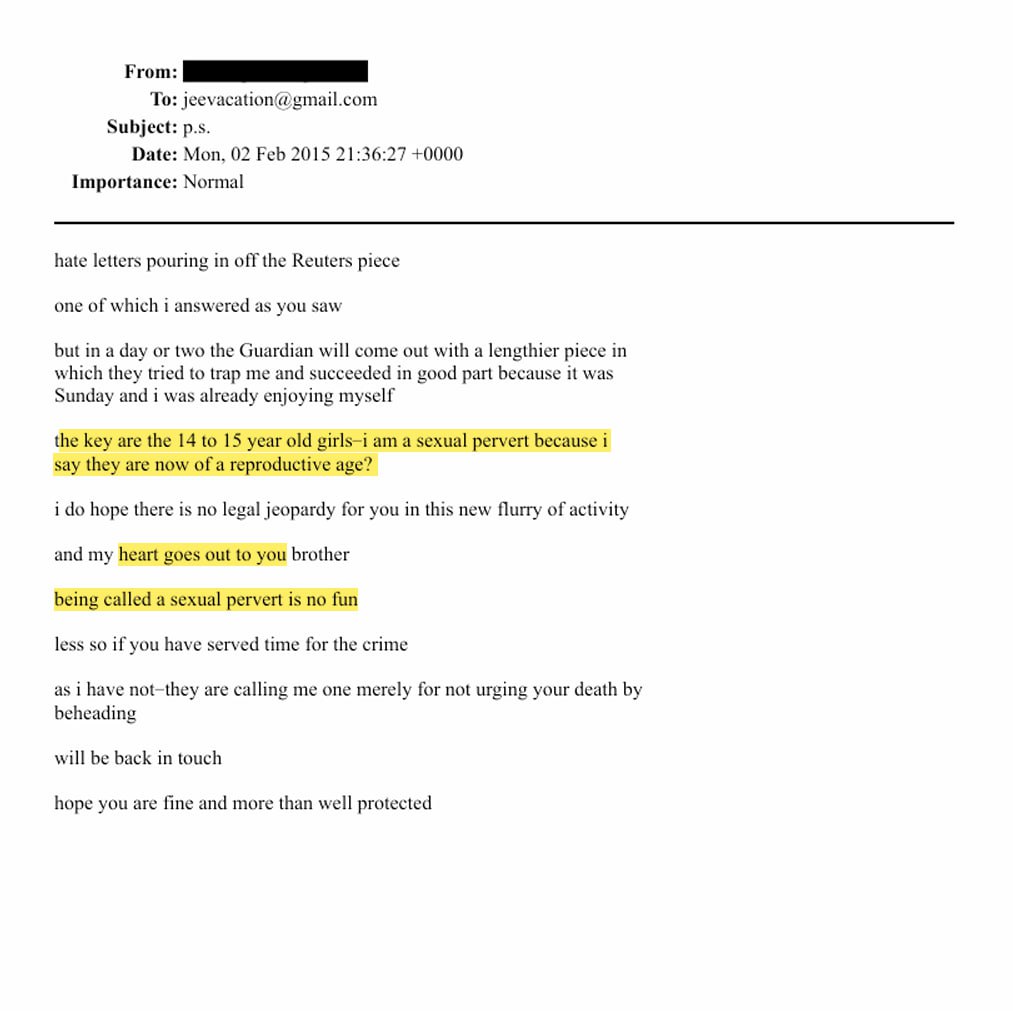
Redacted “Supporter” Email to Epstein Mentions Reuters/Guardian Heat — and Makes Disturbing Underage Reference

A newly circulating, redacted email screenshot (dated Feb. 2, 2015) shows an unidentified sender writing to [email protected] and describing a “surge of hate” following a Reuters piece, while anticipating further coverage by The Guardian. The writer expresses sympathy for Epstein and warns about potential “legal jeopardy” amid renewed attention.

The most alarming element is the sender’s language referencing girls aged 14–15 in a way that appears to normalize or excuse sexual interest in minors, while complaining about being labeled a “sexual pervert.” The screenshot’s origin and authenticity are not independently verified from the image alone, but it’s being cited online as another example of the circle around Epstein defending or rationalizing abusive behavior.

Trump Denies Epstein Links, Claims He Was “Exonerated” and Says Epstein Worked Against His Election

President Donald Trump rejected renewed scrutiny over his past links to Jeffrey Epstein, telling reporters he has been “exonerated” and has “nothing to hide.” The remarks came amid intensifying political and media attention around the handling and release of “Epstein files,” after Democrats and some Republicans amplified allegations of a cover-up.

In the same exchange, Trump claimed Epstein was “fighting” to prevent him from being elected, framing the controversy as politically motivated.

The episode underscores how the Epstein dossier continues to reverberate in Washington: it has become both a transparency fight (over what should be released, redacted, or withheld) and a political weapon for rival camps seeking leverage ahead of upcoming congressional testimony and investigations.

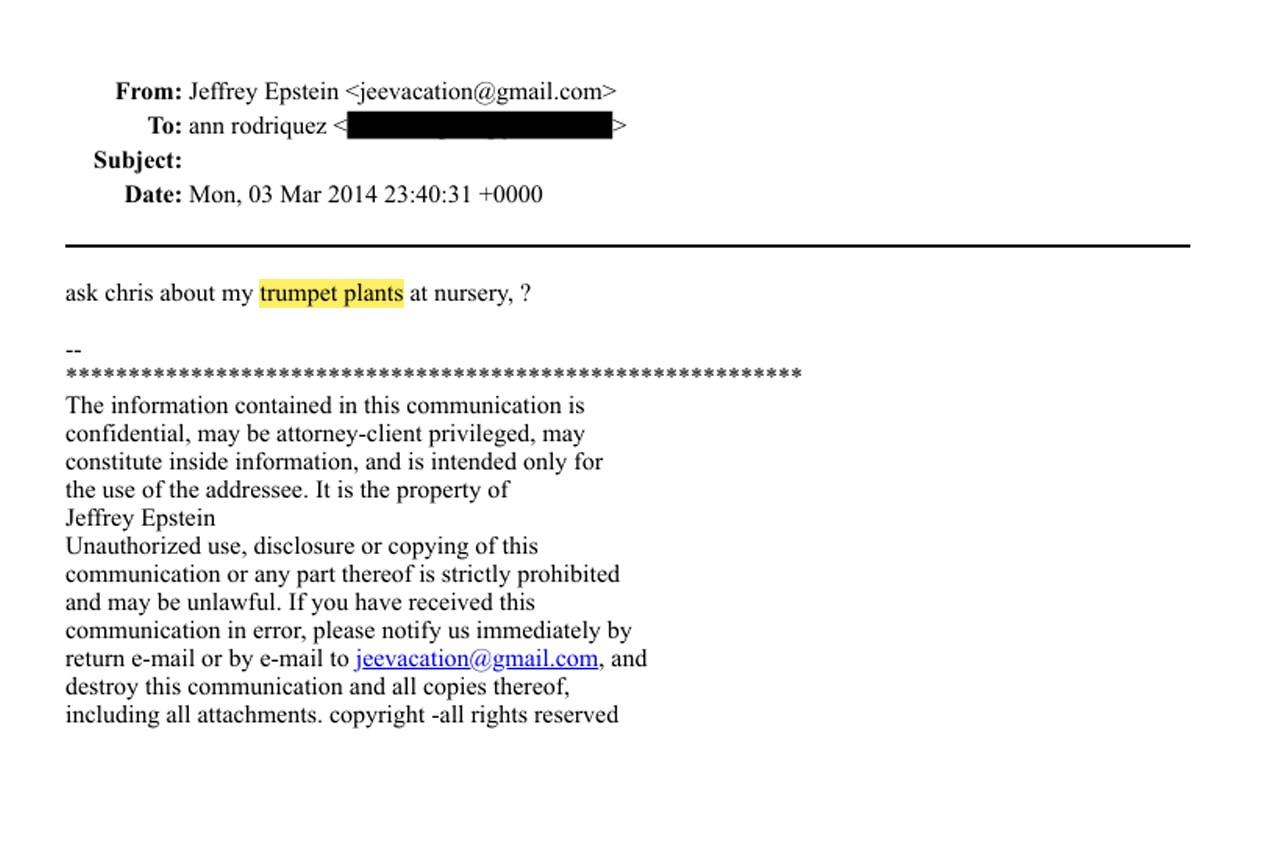
“Trumpet Plants” Email Sparks Spotlight on Angel’s Trumpet’s Scopolamine Risk

Screenshots circulating online purport to show Jeffrey Epstein emailing an associate in 2014 asking about “trumpet plants” at a nursery—fueling speculation about Angel’s trumpet (Brugmansia/Datura), an ornamental plant known for potent tropane alkaloids.

What matters medically: Angel’s trumpet contains chemicals such as scopolamine, atropine, and hyoscyamine that can trigger anticholinergic poisoning, with symptoms including confusion/delirium, hallucinations, agitation, rapid heart rate, dry mouth, and dilated pupils—and in severe cases paralysis, seizures, and death.

Scopolamine intoxication is particularly associated with severe anterograde amnesia (inability to form new memories) and marked suggestibility/submissiveness, which is why it’s frequently discussed in crime and toxicology literature.

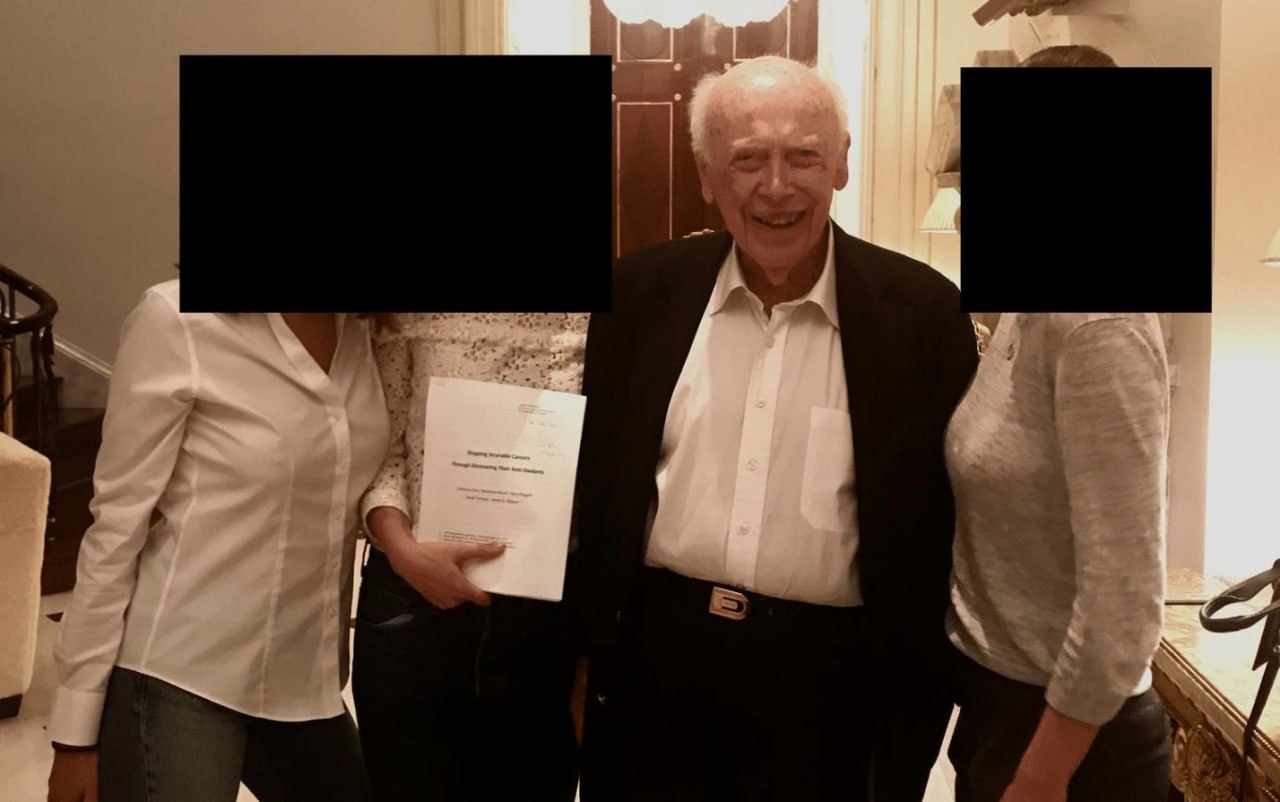
Epstein Files Spotlight Nobel Laureate James Watson in Manhattan Photo Set

New reporting on the latest U.S. Justice Department (DOJ) release of Epstein-related records says a photo included in the newly unsealed materials shows James Watson—the Nobel Prize–winning co-discoverer of DNA’s double-helix—posing with women inside Jeffrey Epstein’s New York townhouse.

Watson, who shared the 1962 Nobel Prize in Physiology or Medicine for discoveries on the molecular structure of nucleic acids, had long been a polarizing figure in science due to repeated remarks widely condemned as racist; in 2019, Cold Spring Harbor Laboratory stripped him of his remaining honorary titles after he reiterated such claims in a documentary.

The inclusion of a person’s name or image in the Epstein files does not, by itself, establish wrongdoing, but the fresh tranche is intensifying scrutiny of Epstein’s access to elite scientific networks and institutions.

South Africa Unemployment Edges Lower in Q4, But Jobless Rate Still Above 31%

South Africa’s labor market improved modestly in Q4: the number of unemployed fell to 7.836M (prior 8.007M) and the unemployment rate eased to 31.40% (prior 31.90%). The level remains extremely high, keeping pressure on growth, social stability, and policy credibility.

More Others news

USA

US Weekly ADP Shows a Small Upshift: +10.3K vs +7.8K Prior

A weekly read on ADP employment showed a modest improvement, rising to +10.30K from +7.80K previously—suggesting slightly firmer near-term hiring momentum on this specific tracker.

NY Factory Pulse Beats Forecast: Empire State Index 7.10

The NY Empire State Manufacturing Index came in at 7.10 for February, above 6.40 expected, though slightly below the prior 7.70.

Market lens: The print supports a “still-expanding” regional manufacturing tone, but the softer step-down versus last month keeps the broader trend dependent on national ISM/PMI follow-through.

US T-Bill Auctions Steady: 3M at 3.60%, 6M at 3.50%

U.S. short-end rates were stable, with the 3-month bill auction stopping at 3.600% and the 6-month bill auction at 3.500%, both unchanged, pointing to steady near-term funding expectations.

Market lens: Little movement at the front end suggests markets are not repricing the immediate Fed path aggressively off this auction.

US Homebuilders Turn More Cautious: NAHB Index Drops to 36

U.S. homebuilder sentiment weakened in February, with the NAHB Housing Market Index falling to 36 (vs 38 expected; prior 37), highlighting ongoing affordability and financing headwinds.

Market lens: A weaker NAHB print can foreshadow slower housing activity, a key sensitivity point for growth as rates stay restrictive.

US Labor Trend Gauge Firms Up: CB Employment Trends Index Rises to 105.06

A key labor-market composite improved, with the CB Employment Trends Index rising to 105.06 in January from 104.51, suggesting hiring conditions remain resilient.

Market lens: A firmer labor signal can keep the “higher for longer” rate narrative alive—especially if confirmed by payrolls and wage data.

More USA news

Europe

Germany Inflation Steady at 2.1% YoY as HICP Posts a -0.1% MoM Dip

Germany’s January inflation readings came in exactly as expected, keeping the disinflation narrative intact but not accelerating. CPI rose 0.1% MoM (vs 0.1% expected; prior 0.0%), while CPI held at 2.1% YoY (vs 2.1% expected; prior 1.8%). On the harmonized measure, HICP fell -0.1% MoM (vs -0.1% expected; prior 0.2%) and HICP printed 2.1% YoY (vs 2.1% expected; prior 2.0%).

Market lens: With inflation meeting forecasts and the monthly HICP turning negative, pressure for a near-term hawkish repricing looks limited—keeping attention on growth and ECB guidance.

Italy Ends 2025 With a Bigger Trade Surplus, Even as EU Balance Stays Negative

Italy’s December trade figures showed a stronger overall surplus, with the Trade Balance at +€6.037B versus +€4.750B expected (prior +€5.056B). But the Trade Balance with the EU remained in deficit at -€2.45B (prior -€1.98B), highlighting that the surplus is still being driven more by non-EU flows than intra-EU trade.

ZEW Mood Sours: Eurozone and Germany Sentiment Miss, Despite Better “Current Conditions”

The February ZEW survey signaled softer confidence. Eurozone ZEW Economic Sentiment fell to 39.4 versus 45.7 expected (prior 40.8). In Germany, ZEW Economic Sentiment eased to 58.3 versus 65.8 expected (prior 59.6). The bright spot was German Current Conditions, which improved to -65.9 (vs -65.7 expected; prior -72.7), suggesting conditions are still weak but less bad than before.

Market lens: A sentiment miss can weigh on the EUR narrative unless hard data (production, PMIs) confirms a stronger rebound.

More Europe news

Japan

Japan 5Y JGB Auction Steady: Yield Holds Near 1.64%

Japan’s 5-year JGB auction cleared at 1.640%, essentially unchanged from 1.639%—suggesting stable demand and little change in mid-curve pricing.

Market lens: With the 5-year point steady, JPY focus stays on the BoJ path and broader global yield moves.

Japan Services Pulse Flips Higher: Tertiary Activity Index Jumps to 8.40

Japan’s Tertiary Industry Activity Index printed 8.40 for December, a sharp rebound from -2.50 previously—pointing to a strong turn in services-side momentum.

Market lens: A firmer services signal can feed into BoJ normalization debate, but markets will look for confirmation in broader consumption and wage trends.

More Japan news

Commodities

Gold and Silver Slide Again as USD Firms, Fed and Iran Talks Keep Risk Premium Alive

Precious metals extended losses with markets focusing on upcoming economic data and Federal Reserve cues, while a stronger U.S. dollar pressured prices. Spot gold fell 0.3% to $4,978.39/oz, and April gold futures eased 0.3% to $4,996.69/oz by 19:10 ET (00:10 GMT).

Spot silver dropped 0.9% to $76.0400/oz, while spot platinum bucked the trend, rising 0.5% to $2,030.61/oz.

Despite the USD drag, safe-haven demand remained in play ahead of U.S.–Iran nuclear talks, with Washington seen ramping up military pressure to push Tehran toward a deal—helping keep a geopolitical risk premium under the surface even as prices retreat.

Oil Holds a Narrow Range as Holidays Thin Liquidity, While Citi Flags OPEC+ Response Risk

Brent crude eased 0.2% to $68.59/bbl by 10:00 GMT, after gaining 1.3% on Monday. U.S. WTI rose 84 cents (+1.34%) to $63.73/bbl, but that move also reflected Monday’s swings because the contract did not settle then due to the U.S. Presidents’ Day holiday.

Market liquidity is thin, with many Asian markets closed on Tuesday for the Lunar New Year—including mainland China, Hong Kong, Taiwan, South Korea, and Singapore.

Citi said if disruptions to Russian supply keep Brent in a $65–$70/bbl band in the coming months, OPEC+ is likely to respond by tapping spare capacity and raising output. Separately, three OPEC+ sources said the group is leaning toward resuming production increases from April, positioning for peak summer demand while prices are supported by renewed U.S.–Iran tensions.

Citi’s base case remains that both Iran and Russia–Ukraine deals happen by or during this summer, which would help push Brent down to $60–$62/bbl.

More Commodities news

Canada

Canada Inflation Cools, But Capital Flows Flip Negative: CPI 2.3%, Foreign Buying Turns to Outflow

Canada’s January inflation data came in softer and broadly supportive of the disinflation trend. Headline CPI eased to 2.3% YoY (vs 2.4% expected; prior 2.4%) and was flat on the month at 0.0% MoM (vs 0.1% expected; prior -0.2%). Core signals also cooled: Core CPI 2.6% YoY (prior 2.8%) with Core CPI +0.2% MoM (prior -0.4%). BoC core trims softened as well: Trimmed 2.4% YoY (vs 2.6% expected; prior 2.7%), Median 2.5% YoY (in line; prior 2.6%), and Common 2.7% YoY (in line; prior 2.8%).

Outside inflation, the mix was split: Wholesale sales rose 2.0% MoM in December (vs 2.1% expected; prior -1.8%), but foreign securities purchases swung to -$5.57B (vs +$14.27B expected; prior +$15.96B), a notable risk-off/flow signal.

Market lens: Softer inflation supports a more dovish BoC bias, while the sudden capital-flow reversal can add near-term sensitivity for CAD.

Canada Outbound Buying Slows: Canadians’ Foreign Securities Purchases Ease to C$13.06B

Canadians bought fewer foreign securities in December, with foreign securities purchases by Canadians at C$13.060B, down from C$16.950B previously—signaling a cooler pace of outbound portfolio flows.

Market lens: Slower outbound buying can modestly reduce one source of FX flow pressure, but the CAD impact still depends on broader risk sentiment and rate differentials.

More Canada news

Oceania

NZ Food Prices Surge: FPI +2.5% MoM in January After Prior Dip

New Zealand’s Food Price Index (FPI) rose 2.5% MoM in January, reversing December’s -0.3% reading—an inflationary signal that can keep attention on near-term cost-of-living pressures.

Market lens: A hot food-price print can complicate the disinflation narrative and keep NZD sensitive to RBNZ expectations.

More Oceania news

Equities

Tech Leads Early-Week Slide: Nasdaq 100 Futures -0.8% After Risky Week on Wall Street

U.S. equity futures started the week under pressure, with tech leading the downside. Nasdaq 100 Futures fell 0.8% to 24,604.0 by 22:53 ET (03:53 GMT), the weakest among major peers. S&P 500 Futures slipped 0.5% to 6,820.0, while Dow Jones Futures eased 0.3% to 49,417.0.

The move follows a rough week for cash equities: the S&P 500 dropped 1.4% last week, the NASDAQ Composite slid 2.1%, and the Dow Jones Industrial Average fell 1.2%—keeping risk appetite cautious into the new week.

More Equities news

Short News

Malley Sees a “Short-Term, Fragile” U.S.–Iran Deal as Plausible

Former U.S. Iran envoy Robert Malley said a “short-term, fragile arrangement” between Washington and Tehran is theoretically possible—one that could hand both sides a “kind of victory” in narrative terms, even if it falls short of a durable settlement.

Malley’s core point is that an interim formula might allow Iran to argue it hasn’t permanently surrendered its enrichment rights, while the U.S. could claim it achieved a halt—yet the outcome would remain highly vulnerable to mistrust, guarantees, and the scope of demands.

His remarks come as indirect nuclear talks resume in Geneva under Omani mediation, with both sides signaling “progress” but still facing major gaps—especially on enrichment and sanctions relief.

More Short News news

UK

UK Labor Signals Softer Momentum: Pay Growth Cools, Claimants +28.6K, Unemployment 5.2%

UK labor data pointed to cooling wage pressure and a weaker jobs pulse. Employment change (3M/3M) slowed to 52K (prior 82K), while the unemployment rate held at 5.2% (in line with expectations; prior 5.1%). Pay growth eased: average earnings incl. bonus rose 4.2% (vs 4.6% expected; prior 4.6%), and average earnings ex-bonus came in at 4.2% (vs 4.2% expected; prior 4.4%). Meanwhile, claimant count change jumped to +28.6K (vs 22.8K expected; prior 2.7K).

Market lens: Softer wages plus a rise in claimants strengthen the case for a less restrictive BoE path, keeping GBP sensitive to upcoming inflation and activity prints.

More UK news