IFC Markets Live Quotes

Market news roundup: Monday, 5 January 2026

76 short market news items, grouped by 11 sections.

Iran

Leila Forouhar Releases “Bedoon Iran Nemimireh” in Solidarity With Iran’s National Uprising

Veteran Iranian singer Leila Forouhar has released a new track titled “Bedoon Iran Nemimireh” (“Without Iran, [one] won’t die”), alongside a music video, positioning the song explicitly as an artistic act of solidarity with the ongoing nationwide uprising. In an Instagram post accompanying the release, she paid tribute to Iran’s bereaved families and those killed “for freedom,” highlighted young people imprisoned or resisting in the streets “with empty hands,” and rejected official framing of the movement as “riots” or “chaos,” calling it instead a legitimate uprising against 47 years of oppression, repression, and injustice—closing with the message: “in hope of light’s victory over darkness.”

Yasuj Protest Video Highlights Anger Over Detentions and Inequality

A video circulated on social media on Monday, January 5, 2026, showing protesters in Yasuj chanting “Their kids are in Canada, our kids are in prison,” and demanding the release of detainees linked to recent demonstrations. The slogan underscores a recurring grievance in Iran’s unrest cycles—perceived elite impunity versus harsh security responses for street-level protest—while amplifying pressure around detentions as the information environment tightens. Unofficial reports in recent days claim dozens have been arrested across multiple cities, with the whereabouts of some detainees still unknown.

Tehran Dollar Jumps Past 140,000 as Policy Reset Fails to Calm FX Market

Iran’s free-market dollar rate in Tehran climbed back above 140,000 tomans on Monday, January 5, 2026, amid continued nationwide unrest and heightened external tensions, underscoring fragile confidence in the currency. The move comes days after a high-profile policy shake-up—Central Bank Governor Mohammad Reza Farzin’s resignation and President Masoud Pezeshkian’s appointment of Abdolnaser Hemmati—alongside government efforts to overhaul exchange-rate subsidies; however, the renewed spike suggests the administration is struggling to re-anchor expectations and regain effective control over FX pricing.

Iran Judiciary Chief Vows “No Leniency” as Leadership Signals Faster Crackdown

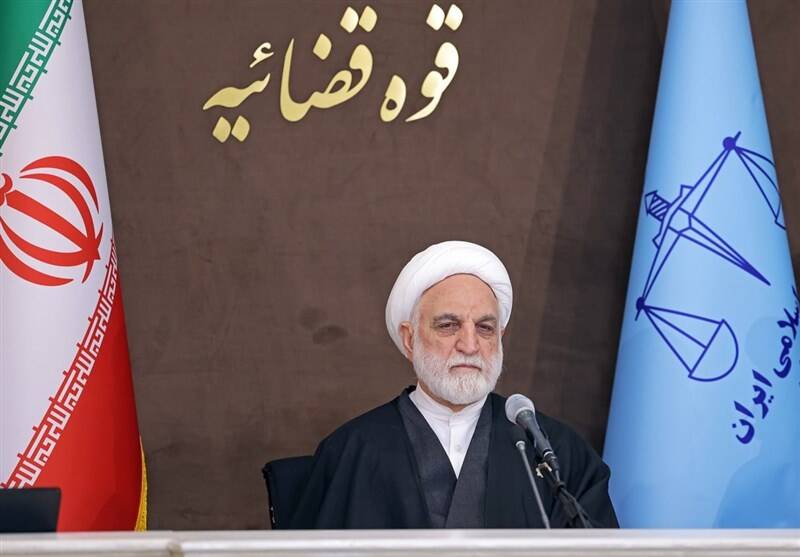
Two days after Supreme Leader Ali Khamenei labeled protesters “rioters” and said they should be “put in their place,” Iran’s judiciary chief Gholamhossein Mohseni Ejei said on Monday, January 5, 2026 (15 Dey) that authorities will show “no leniency” toward those accused of unrest, explicitly linking the stance to claims of U.S. and Israeli support. Speaking at the High Council of the Judiciary, Ejei also instructed courts to accelerate case processing—warning against verdicts issued “six months later” as lacking deterrence—an emphasis that heightens perceived legal and human-rights risks amid a system already associated with extensive use of capital punishment.

Ghalibaf Backs Khamenei, Calls for “Effective” Response to Alleged Spy-Linked “Rioters”

Iran’s parliament speaker Mohammad Bagher Ghalibaf said in Monday’s open session (January 5, 2026 / 15 Dey) that recent remarks by Supreme Leader Ali Khamenei—drawing a line between “protesters” and “rioters”—provide a guiding framework, while labeling demonstrators “rioters/agitators” and alleging that some are connected “directly or indirectly” to foreign intelligence services. While also saying protests should be “heard” and that dialogue with “protesters” is necessary, Ghalibaf argued that those he described as intelligence-linked actors must be confronted “intelligently” and “effectively,” and repeated the claim that the “enemy” will ultimately be defeated—language that reinforces the state’s foreign-linked narrative around unrest and signals a continued security-forward posture.

Lindsey Graham on Fox News: “Make Iran Great Again” as He Backs Protesters

U.S. Republican Senator Lindsey Graham said in a Fox News interview that Iranians have “openly” risen up and no longer want to live under the current system, sharply criticizing the Islamic Republic and calling it the world’s largest state sponsor of terrorism. He closed by putting on a “Make Iran Great Again” (MIGA) cap, expressing hope that 2026 will be a year of change for Iran, and arguing that Donald Trump—unlike the Obama administration—has not abandoned the Iranian people.

US State Department’s Farsi Account Posts Warning as Rubio Signals “No Games” With Trump

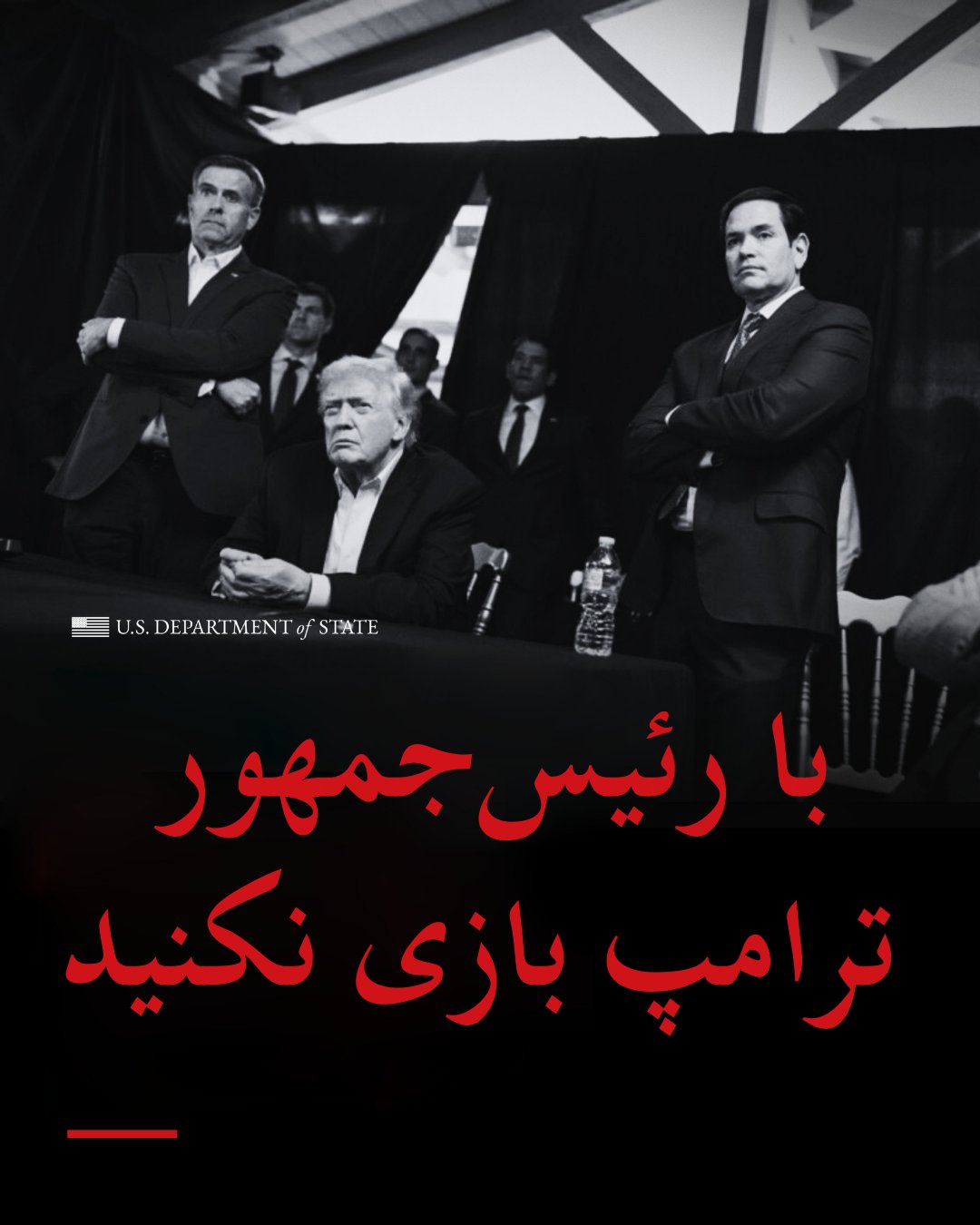
The U.S. State Department’s Persian-language account (USAbehFarsi) reposted an image of President Donald Trump alongside Secretary of State Marco Rubio carrying a blunt Farsi message—“با رئیس‌جمهوری ترامپ بازی نکنید”—and the caption: “President Trump is a man of action. If you didn’t know, now you know.” The post aligns with Rubio’s recent public messaging that Trump is not “a game player” and that when he says he will take action, he means it—framing the administration’s posture as deterrence-driven and designed to leave less room for miscalculation by adversaries. USAbehFarsi (@USABehFarsi) / X

Report: Khamenei Has “Plan B” to Flee to Moscow if Protests Escalate

The Times reported—citing an intelligence assessment shared with the paper—that Iran’s Supreme Leader Ali Khamenei has prepared a contingency plan to leave Iran for Moscow with a small inner circle if authorities fail to contain nationwide protests or if security forces begin to fracture. The report lands as unrest is widely described as intensifying into confrontations with security forces; separate claims circulating online that Khamenei is currently operating from a bunker are not independently confirmed by major wire reporting, though he has been described as remaining largely out of public view amid the crisis.

Iran: Activist Naeem Lashgari Reportedly Arrested in Tehran; Detention Location Undisclosed

Iranian political activist Naeem Lashgari, originally from Bijar and residing in Tehran, was reportedly arrested on the evening of Saturday, January 3, 2026 (13 Dey) during public protests in the capital. An informed source cited by Persian-language rights reporting alleges he was subjected to torture after detention; Iranian authorities have not publicly identified the detaining body or disclosed his whereabouts, heightening concerns over his physical safety and legal status amid an accelerating security crackdown.

VOA Persian’s New Chief: “The Alternative Is Inside Iran,” Says US Policy Backs Self-Determination

Ali Javanmardi, the newly appointed head of VOA Persian, said in remarks aired by the outlet on Monday, January 5, 2026 (15 Dey) that—based on the U.S. State Department’s view—the “alternative” to the Islamic Republic is “inside Iran.” Referencing Donald Trump’s recent positioning on Iran, Javanmardi argued Washington’s current approach differs fundamentally from past episodes, including 2009, and is framed around full support for Iranians to determine their own future—messaging that reinforces an “inside-out” change narrative rather than an externally imposed blueprint.

Reports: Pre-Dawn Raids in Junqan Trigger Wave of Family Arrests

Persian-language rights reporting says Iranian security and intelligence forces carried out wide-ranging home raids in Junqan (Chaharmahal and Bakhtiari province), detaining multiple citizens across several families amid recent protests tied to worsening economic conditions. Accounts describe a pre-dawn arrest of Behnam Mokhtari—reported as the brother of Jamshid Mokhtari, a previously killed protester—alongside the detention of a relative by marriage, Fariborz Mohammadian, with additional arrests named over the past two days; reports also claim the detentions were conducted violently and without warrants. Authorities have not publicly confirmed the detaining agencies, locations of custody, or legal status of those detained, intensifying concerns over enforced disappearance-style uncertainty and the targeting of protest-linked families.

Mazandaran Protester Says He Won’t Leave Despite Security Pressure

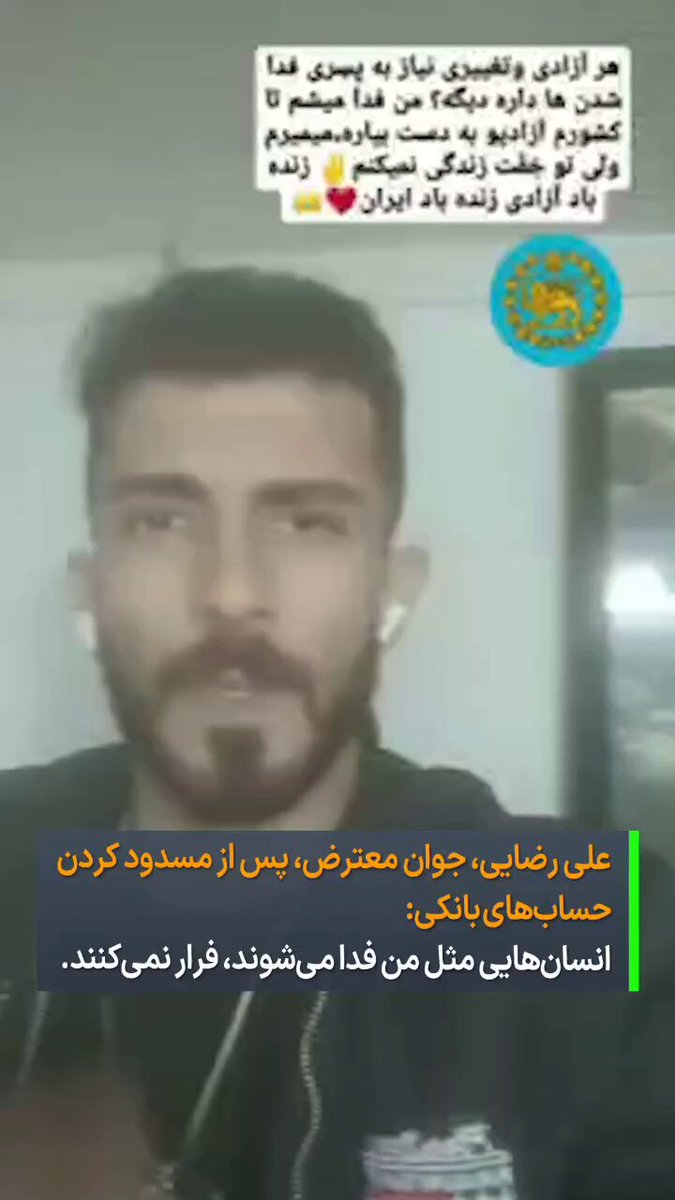
Ali Rezaei, a protester from Amol in Iran’s Mazandaran province, posted a video on Instagram saying security agencies have intensified pressure on him after he joined street demonstrations, including claims that his SIM card was blocked and his bank account was frozen. Rezaei said he will not leave his city or the country despite threats—arguing that “we are rooted in this soil”—and warned that if he is harmed, many others will continue the protest voice; he also referenced prior detention, alleged denial of medication, and being shot during earlier unrest.

Establishment-Linked Cleric Warns Khamenei’s Life “In Danger” as The Times Reports Moscow Exit Plan

Ayatollah Mohammad Ali Javadan, a seminary teacher known for his proximity to Iran’s official religious establishment, said during an itikaf gathering that the Supreme Leader’s life is “in danger,” urging believers to seek intercession through Lady Zaynab rather than addressing public grievances—according to state-affiliated Fars News and video excerpts circulating online. The remarks coincide with a report by The Times, citing an intelligence assessment, claiming Ali Khamenei has prepared a contingency plan to leave Iran for Moscow with a small inner circle if security forces fail to contain nationwide unrest—two parallel signals that, taken together, highlight intensifying stress inside the ruling system as protests persist.

Tavaana: Vakilabad Detainee Haidar Chah-Chamandi Reportedly Pressured for Forced “Confession”

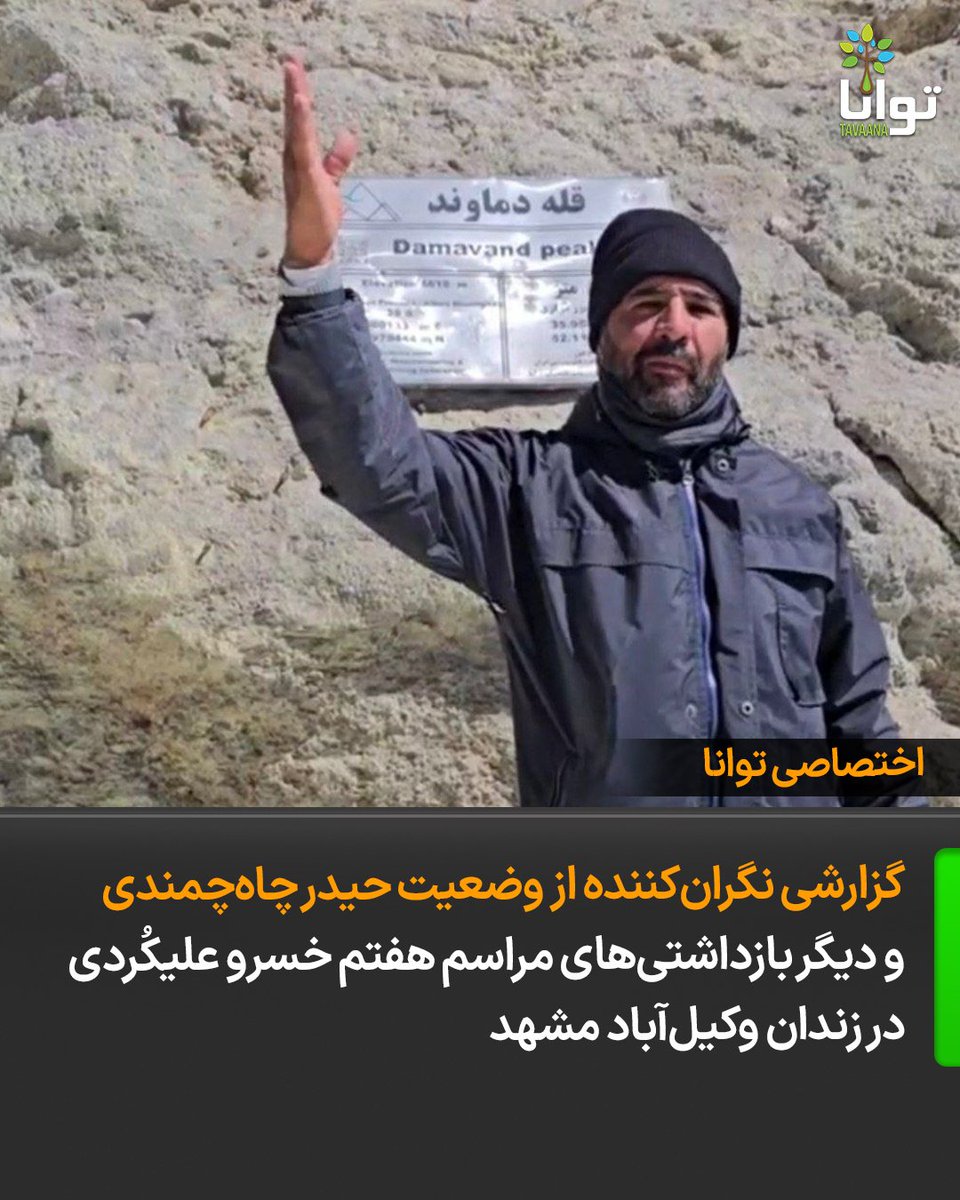
Iranian civil-society outlet Tavaana reports that Haidar Chah-Chamandi—arrested in connection with detentions following the seventh-day memorial for the late lawyer Khosro Alikordi—is being held in Security Ward 6/1 of Vakilabad Prison in Mashhad. Citing an informed source, the report says he spent about 10 days in solitary confinement and faced intense psychological and physical pressure to confess to allegations he denies; it also alleges he was beaten by ward enforcers with the involvement or encouragement of prison officials. The same source claims interrogators sought to reframe a forehead injury as “deliberate self-harm,” while asserting it was caused by tear gas fired by riot police at the memorial. Tavaana adds that the prosecutor has raised three charges: “propaganda against the system,” “assembly and collusion in favor of hostile groups,” and “disrupting public order.” Iranian authorities have not publicly commented on the allegations.

Iran Confirms Security-Based Internet Restrictions as Disruptions Deepen

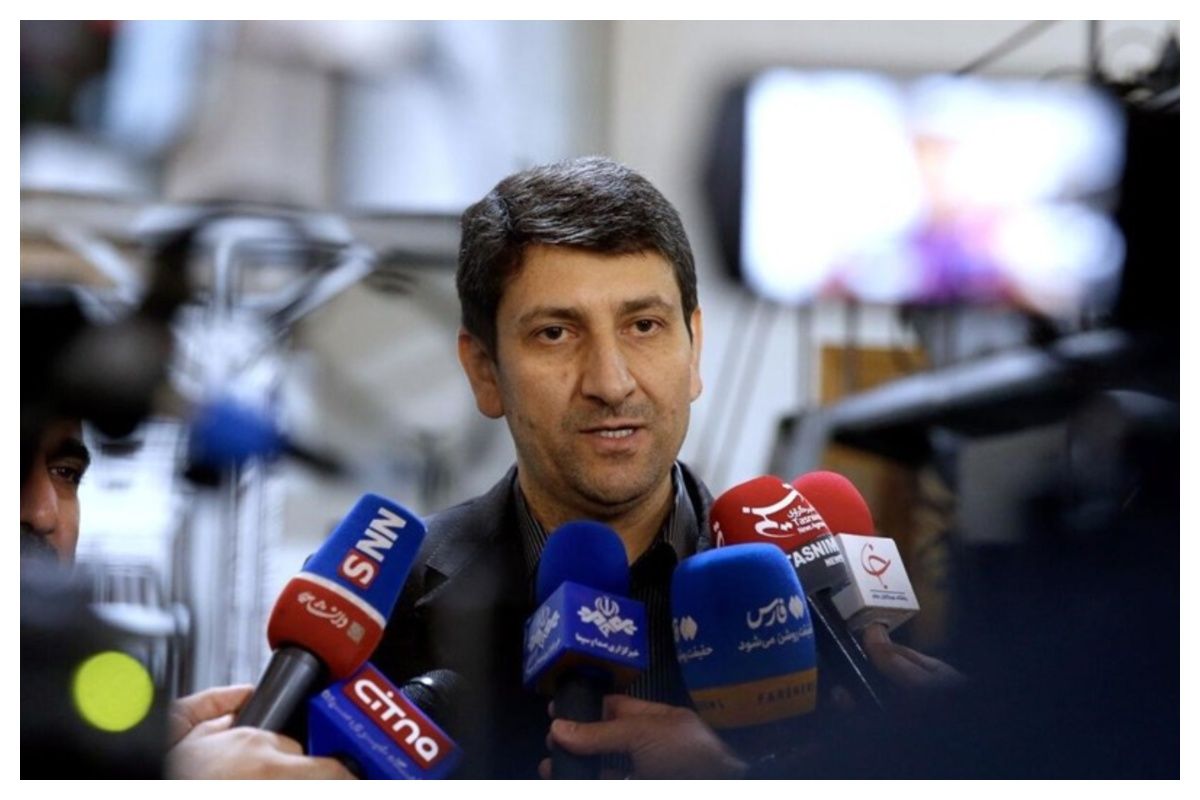
Iran’s communications minister Sattar Hashemi said internet shutdowns and restrictions are not “absolute or permanent,” framing them as conditional measures tied to security, livelihoods, and the stated goal of protecting citizens’ lives—while acknowledging the damage disruptions can cause to businesses. The comments come amid widespread user reports of slowdowns and instability, with Cloudflare traffic data cited by international media showing an average drop of roughly 35% versus prior days and Iranian tech reporting describing selective, province-level disruptions including in Khuzestan and Lorestan. Separately, digital-rights/OSINT accounts claim authorities are using “traffic engineering” to concentrate traffic in administrative hubs and mask regional throttling in aggregate statistics, and they allege unusually high “bot traffic” (around 78%) inflates totals during unrest—assertions that are difficult to independently verify from publicly available, interactive dashboards but are shaping the narrative around how Iran manages connectivity during protests.

Former Political Prisoner Says Intelligence Agent Issued Threat After Pro-Protest Video

Reza Salmānzadeh, a former political prisoner in Iran, said in a video shared by Persian-language civil-society outlet Tavaana that he received a threatening phone call from an agent of the Alborz Province Intelligence Office after he posted a video supporting Iran’s nationwide protests. Salmānzadeh said he interprets the call as a direct threat to his life and warned that if any harm comes to him, he holds the Islamic Republic responsible—an allegation that fits a broader pattern of reported intimidation and pressure against activists and social-media users during periods of unrest.


Googoosh Backs Iran Protests, Calls Prince Reza Pahlavi a Unifying Secular Figure for Transition

Iranian pop icon Googoosh posted messages in both English and Persian endorsing the nationwide protests, arguing that past Iranian uprisings against the Islamic Republic have repeatedly been met with brutal crackdowns. She wrote that while the government “kills protesters,” she is struck by the courage and resilience of Iranians demanding the Islamic Republic’s end, and stressed that Iran’s culture, Persian language, and traditions have endured despite what she described as attempts to erase them. Googoosh also claimed that “today” Iranians broadly want Prince Reza Pahlavi to return as a unifying, secular figure for a transition period—an assertion that underscores how prominent cultural voices are increasingly framing the unrest in explicitly political, regime-change terms.

Iran Writers Association Backs Protests, Urges Global Cultural Solidarity

Iran’s Writers Association (a banned organization in Iran) issued a statement supporting the “unquestionable right to protest,” calling on freedom-minded writers, artists, and independent cultural institutions worldwide to amplify support for Iranians and “not allow the government to once again fill prisons and cemeteries with protesters.” The statement accuses the Islamic Republic of repeating a long-standing crackdown pattern—using lethal force, mass arrests, and intimidation—while describing the state as built on killing, torture, and imprisonment of dissenters; it also argues that freedom will not arrive through foreign “bombs and missiles,” but through the will and agency of people inside Iran.

Shop Strikes Reported in Tehran, Karaj, Kazerun and Bandar Gonaveh as Protests Spread

Reports and circulating footage say shops in parts of Tehran, along with areas of Karaj, Kazerun, and Bandar Gonaveh, were closed on Monday, January 5, 2026 (15 Dey) as merchants joined strike action linked to the expanding protest wave. Some outlets described the shutdowns as part of a broader pattern of bazaar participation beyond the capital; however, Iranian state media also reported that major Tehran electronics centers such as Alaeddin and Charsou were operating normally by Monday afternoon, suggesting uneven closures and localized pressure.

Nixon Foundation Posts Video of Prince Reza Pahlavi, Says “Nixon Library Stands With the Iranian People”

The official Richard Nixon Foundation account shared a video featuring Prince Reza Pahlavi on Sunday, January 4, 2026 (14 Dey), writing: “Just as President Nixon once stood with my father, the Nixon Library now stands with the Iranian people.” The message underscores a symbolic continuity narrative—linking Richard Nixon’s historic ties with Mohammad Reza Shah Pahlavi to today’s political moment—while remaining a statement from a presidential library/foundation rather than a formal U.S. government position. The post also follows recent reporting that Prince Reza Pahlavi referenced Nixon’s 1972 visit to Iran (1351) in the context of U.S. statements backing Iranian protesters, reinforcing the same historical framing.

Iran State TV Anchor Sings Briefly On Air, a Rare Break With Long-Running Restrictions

A female presenter on Iran’s state broadcaster (IRIB), during Channel 4’s 8 p.m. news, briefly sang a few lines while introducing a newly released track—reports identify the song as Mohsen Chavoshi’s “Ya Mola Delam Tang Amadeh”—in a moment that quickly went viral online. The clip drew outsized attention because women’s solo singing has been tightly restricted on official platforms for decades after 1979; amid the current protest climate, some observers are reading the broadcast as a controlled “softening” gesture or image-management move rather than a substantive policy shift.

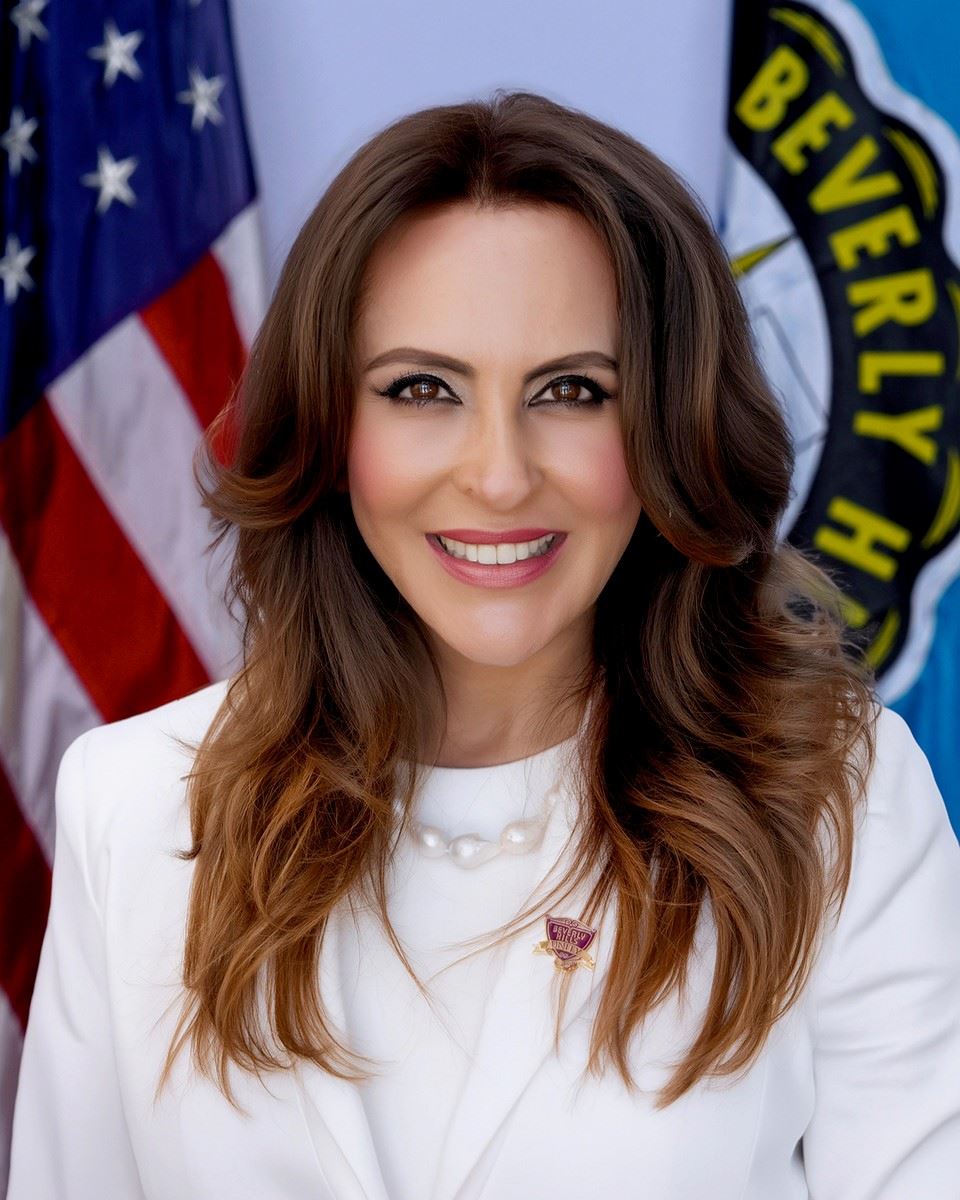
Beverly Hills’ Iranian-American Mayor Chants “Javid Shah” at LA Rally Supporting Iran Protests

Sharona Nazarian, the Iranian-born mayor of Beverly Hills, appeared at a Los Angeles gathering of Iranian expatriates supporting Iran’s nationwide uprising against the Islamic Republic and was filmed chanting “Javid Shah.” In remarks at the rally, Nazarian pointed to what she called 47 years of systematic repression and said history shows freedom and justice arrive when people assert their will—arguing that the moment has now come for Iran. Nazarian, an Iranian-American Jewish civic leader and the first Iranian-born member of the Beverly Hills City Council, assumed the mayoral role in early 2025.

Khadem on Beyzaie’s Burial Abroad: “His Mind Was the Homeland”

Iranian wrestling champion Rasoul Khadem shared images from the burial of celebrated filmmaker and playwright Bahram Beyzaie and wrote that “a man whose entire concern and mind was the homeland” was laid to rest thousands of kilometers from Iran.” The post landed as nationwide protests continue, and it echoed Khadem’s earlier gesture of reposting a scene from Beyzaie’s Death of Yazdgerd—a film long tied to censorship debates—alongside captions about “bread pain” and inequality, reinforcing how cultural icons and public figures are being pulled into the protest-era narrative. Beyzaie died in the United States on Dec. 26, 2025, on his 87th birthday, and his farewell and burial were held in the San Francisco area.

Protest Gatherings Reported in Yasuj, Sonqor, and Birjand University

Videos shared on social media and amplified by Persian-language outlets show fresh protest gatherings on Monday, January 5, 2026 (15 Dey)—including crowds in Yasuj and Sonqor and a group of Birjand University students. The clips point to continued street-level mobilization across both provincial cities and campuses, although details such as turnout figures and arrests remain difficult to independently verify amid information restrictions.

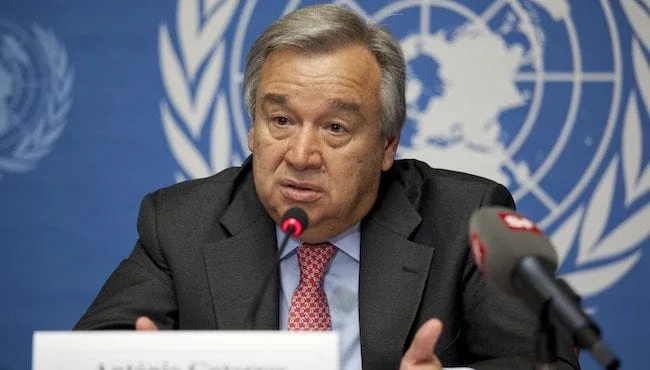
UN Spokesperson Says Guterres “Concerned” by Iran Protests as Clashes Turn Deadly

A spokesperson for UN Secretary-General António Guterres said he is following the protests in Iran “with concern” and is “deeply saddened” by reports of people being killed and injured in clashes between security forces and protesters. The message adds to international scrutiny at a moment when the unrest is already raising political-risk premiums and sharpening external pressure for restraint and de-escalation.

108 Iranian Lawyers Condemn Live Fire on Unarmed Protesters as “Grave” Rights Violation

A group of 108 Iranian lawyers said in a joint statement that firing on unarmed citizens constitutes a flagrant violation of the right to life and the right to peaceful assembly, and should be treated as a serious, non-negotiable offense. The statement frames the use of lethal force against demonstrators not as a policing tactic but as a rights breach that demands accountability, adding legal pressure to an already escalating security response.

Netanyahu Says Iranians May Be Near a “Decisive Moment,” Pledges Solidarity

Israeli Prime Minister Benjamin Netanyahu said Iran could be approaching a “decisive moment” in which its people “take their fate into their own hands,” adding that Israel “stands in solidarity” with Iranians’ struggle and their aspirations for freedom, liberty, and justice. The remarks—delivered at Israel’s weekly cabinet meeting—amount to overt political signaling that may bolster external moral support for protesters, while also feeding Tehran’s longstanding narrative that unrest is being encouraged by foreign adversaries, potentially sharpening the escalation risk in an already tense regional environment.

Mashhad Drivers Sound Car Horns in Protest Amid Heavy Security Presence

Videos shared with Iran International show drivers in Mashhad repeatedly sounding their car horns as a protest signal while a heavy security atmosphere is reported across the city. The tactic—dispersed and mobile rather than centered on a single rally point—allows people to register dissent with lower coordination, and can be harder to suppress than a fixed gathering as nationwide unrest continues.

Prince Reza Pahlavi: A Regime That Shoots Youth and Raids Hospitals “Has No Legitimacy”

Prince Reza Pahlavi said in a Monday post that the reported shooting of protesters in Malekshahi (Ilam Province) and the alleged raid on Ilam’s Imam Khomeini Hospital—where wounded demonstrators were being treated—amount to an “open crime,” arguing that a state that fires on unarmed citizens and targets medical centers has “no legitimacy” and is ultimately “going.” His message explicitly invoked the memory of Zahedan’s “Bloody Friday” (September 30, 2022) as a warning about repeat-crackdown dynamics, as rights groups and Persian-language outlets continue to report deadly force in western Iran and mounting pressure on medical facilities after clashes.

Hamed Esmaeilion: “Iranians Will Defeat a Regime of Ignorance and Cruelty”

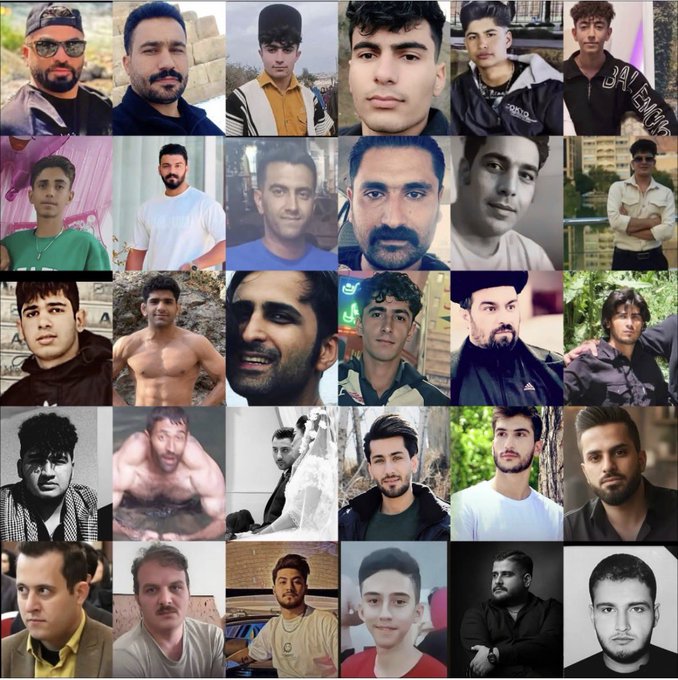
Iranian-Canadian activist Hamed Esmaeilion, after naming several people reportedly killed in the ongoing nationwide protests, wrote on X that he stands with the families whose loved ones were “killed by the Islamic Republic’s murderers,” adding: “The people of Iran will prevail over the rule of ignorance and cruelty.” The statement reinforces a widening chorus of diaspora and opposition figures framing the unrest as a legitimacy-breaking moment, while spotlighting the human cost and accountability narrative at the center of the protests.

Security Forces Seen at Tehran’s Haft-Hoz Square as “Death to the Dictator” Chants Echo

Videos sent to Iran International show a visible security presence at Haft-Hoz Square in Tehran on Monday, January 5, 2026 (15 Dey). In a separate clip, the sound of protesters chanting “Death to the dictator” can be heard—signaling continued street-level defiance in Tehran even as authorities maintain a heavy on-the-ground posture in key neighborhoods.

Sari Protest Videos Show “Javid Shah” and “Death to the Dictator” Chants

Two videos shared on social media and reposted by Iran International show a group of protesters in the streets of Sari on Monday night, January 5, 2026 (15 Dey), chanting “Javid Shah” and “Death to the dictator.” The slogans signal continued street-level mobilization in northern Iran and reflect a protest message that targets the core of the system while also highlighting the prominence of explicitly monarchist-leaning chants in parts of the movement.

Khomeini-Shahr Protest Videos Show Tire Fires and “Death to Khamenei” Chants

Videos circulating on social media show a group of young protesters in Khomeini-Shahr, Isfahan province, on the night of Monday, January 5, 2026 (15 Dey), setting tires alight in the street and chanting “Death to Khamenei.” The footage—difficult to independently verify under current information constraints—signals continued night-time street mobilization and increasingly direct slogans targeting the top of the system as protests persist across multiple cities.

Tehran’s Dardasht Street: Protesters Chant “Iran’s Hope? Reza Pahlavi”

Videos circulated on social media show a group of protesters marching on Dardasht Street in Tehran on the night of Monday, January 5, 2026 (15 Dey), chanting: “Who is Iran’s hope? Reza, Reza Pahlavi.” The slogan reflects an increasingly explicit political framing within parts of the street movement—shifting from anti-system chants to naming a specific alternative figure—while the circulation of such footage continues despite tightening security conditions and periodic information constraints.

Armed Security Forces Deployed in Sanandaj as Protests Continue

A video received and published by Iran International shows a group of armed security personnel on motorcycles deployed on a street in Sanandaj on Monday night, January 5, 2026 (15 Dey). The footage underscores the state’s reliance on mobile, rapid-response units to project control in Kurdistan’s main city as protest activity persists and authorities tighten on-the-ground security in key urban corridors.

Yazdanshahr Detainees’ Families Give Judiciary 24 Hours, Threaten to Join Protests

Families of protesters detained in Yazdanshahr rallied outside the Najafabad courthouse on Monday, January 5, 2026 (15 Dey), issuing a 24-hour ultimatum to Iran’s judiciary to release their children. Participants said that if the detainees are not freed within the deadline, they will join the wider protest movement, signaling a potential escalation as family-led pressure shifts from demands for information and release toward broader street mobilization.

Iran: Birjand University Protest Followed by Women’s Dorm Detentions

Videos circulated online show Birjand University students marching on Monday, January 5, 2026 (15 Dey) and chanting, “We didn’t give our dead to compromise; to praise a killer leader.” Rising tensions outside the university’s women’s dormitory after security agents entered the dorm and detained multiple students, taking them to an undisclosed location—an escalation that signals a tighter campus-focused crackdown as nationwide protests continue.

HRANA: Over 1,200 Arrested in 9 Days as Protests Spread to 88 Cities

Iranian human-rights outlet HRANA reported late Monday, January 5, 2026 (15 Dey) that nationwide protests over the past nine days have reached at least 257 locations across 88 cities in 27 provinces, including protest activity at 17 universities, while the number of detainees has risen to 1,203, and at least 29 people have been confirmed killed.

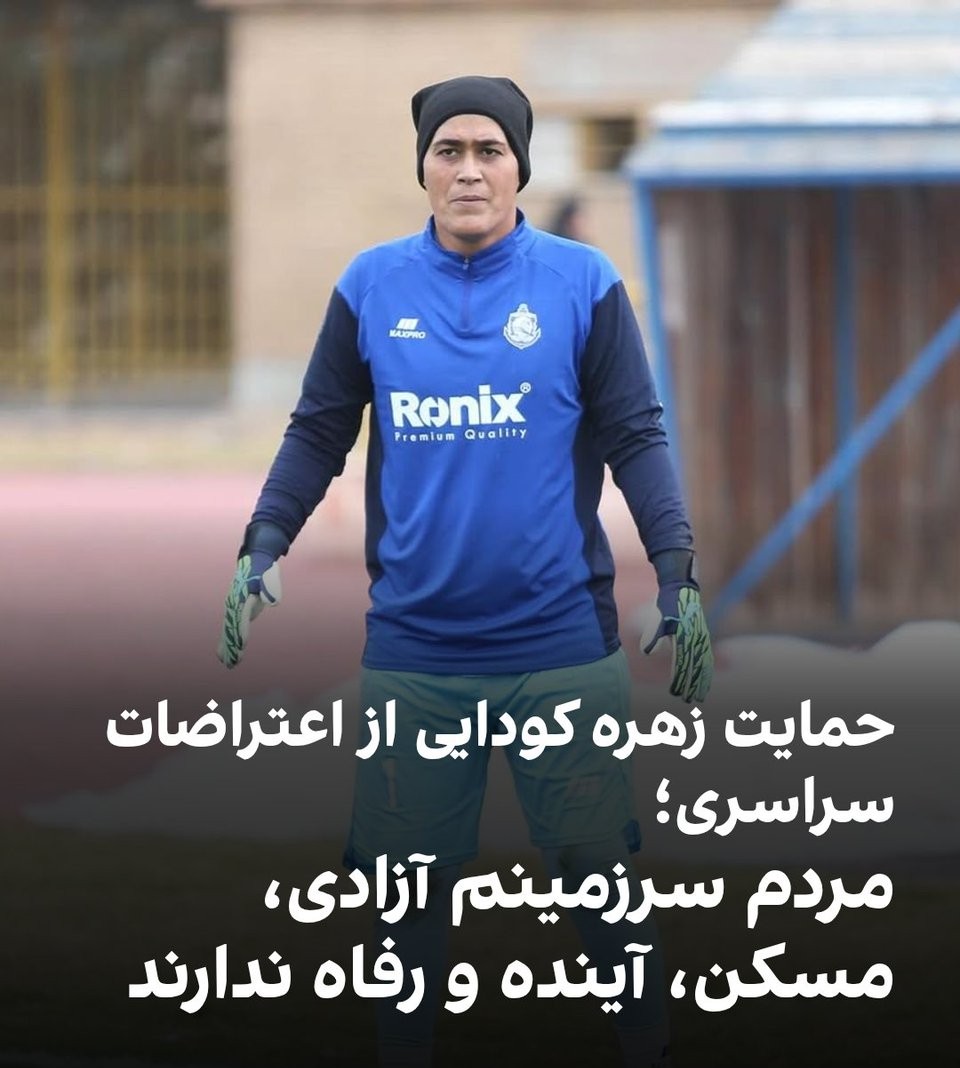
Zohreh Koudaei Backs Iran Protests, Uses Wordplay on “Freedom” and “Welfare”

Zohreh Koudaei, the goalkeeper for Malavan’s women’s team and Iran’s women’s national side, voiced support for the nationwide protests in an Instagram story, using pointed wordplay about everyday institutions whose names promise “freedom,” “housing,” “future,” and “welfare” while, she argued, ordinary people are denied all of them. The message adds to a widening wave of public solidarity from Iranian athletes and cultural figures, turning economic hardship into a direct political indictment during the ongoing unrest.

Tehran Province Moves Schools Online for Two Days as Air Pollution Measures Tighten

Tehran’s Provincial Emergency Air Pollution Taskforce said Tuesday and Wednesday (16–17 Dey / Jan 6–7, 2026) will see kindergartens and preschools closed across Tehran province, except in Firuzkuh, Robat Karim, Pardis, and Damavand, while classes at all grade levels will be held virtually. The same decision package bans outdoor sports activities province-wide and allows mothers with preschool/kindergarten/primary-age children to use remote work arrangements, subject to managerial approval—steps that underscore both the health severity and the near-term disruption risk for households and local businesses.

Amol: Kaleh Factory Fire Triggers 1-km Evacuation as Ammonia Tank Risk Raises Alarm

A major fire at Kaleh’s production complex in Amol prompted Mazandaran crisis officials to order precautionary evacuations, including Imam Ali Hospital, due to its proximity and the evacuation of nearby residential and commercial areas within a 1,000-meter radius. Officials said there were no reported casualties so far, while emergency crews focused on containing the blaze and preventing it from reaching ammonia gas storage tanks, which could sharply raise the risk profile if compromised.

Netanyahu Reportedly Sends Iran a De-Escalation Message via Putin, Warns of “Severe Consequences” if Tehran Strikes

Israel’s Kan public broadcaster, citing diplomatic sources, reported that Prime Minister Benjamin Netanyahu relayed a message to the Islamic Republic through Russian President Vladimir Putin in recent weeks saying Israel is not interested in escalation and does not intend to attack Iran “at this time.” The report says the goal was to reduce the risk of Iranian miscalculation—specifically, that Tehran might wrongly assume an imminent Israeli strike and launch a preemptive attack—while Netanyahu simultaneously told the Knesset that any Iranian attack would bring “very severe” consequences.

More Iran news

Commodities

Gold Jumps Above $4,400 After U.S. Capture of Venezuela’s Maduro Triggers Safe-Haven Demand

Gold surged in early Asian trading on Monday after a U.S. operation detained Venezuelan President Nicolás Maduro, intensifying geopolitical risk and driving safe-haven flows despite a firmer U.S. dollar. Spot gold climbed about 1.9% to around $4,411/oz, as investors moved to hedge against escalation risk and policy uncertainty tied to Venezuela’s leadership transition and international legal blowback.

Market impact: Supportive for gold and other defensives; near term, risk assets can stay headline-sensitive while Treasuries may find demand on risk-off flows. USD can benefit versus EM FX on safe-haven positioning, though the balance between risk aversion and rate expectations will determine follow-through.

Silver Surges Above $75 as Platinum Rallies Past $2,200

Precious metals extended their upside move, with silver up 2.4% to above $75/oz, while platinum futures climbed 3.1% to $2,209.60/oz. The scale of gains points to a clear risk-premium and momentum bid in the complex—often amplified by positioning, thinner liquidity, and spillover from broader safe-haven and inflation-hedge demand dynamics.

Market impact: Bullish near term for precious-metals sentiment and miners; volatility risk rises as prices stretch. If the move is paired with a firmer USD or higher real yields, follow-through may depend on continued risk-off demand rather than fundamentals alone.

Markets See Venezuela Shock as Mostly Energy-Local; Precious Metals Reflect “Non-Fiat” Hedge Demand

Kyle Rodda, Senior Market Analyst at Capital.com (Melbourne), argued that the market implications from the Venezuela developments look limited in the near term and largely contained to the energy complex, even as precious metals show a clearer reaction. He framed the strength in gold/silver as investors “front-running” potential government responses by increasing exposure to non-dollar and non-fiat alternatives, while suggesting broader markets are already shifting focus toward the next set of catalysts rather than the weekend headline itself.

Market impact: Supports a two-track read-through—energy risk premia can stay elevated on geopolitics, while gold/silver may retain a hedge bid even if broader equities stabilize. Follow-through depends on whether policymakers escalate beyond rhetoric and whether the move spills into credit/volatility rather than remaining sector-specific.

Tai Hui: Venezuela Shock Seen as Energy-Local, With Markets Underpricing Geopolitical Risk

J.P. Morgan Asset Management’s Asia-Pacific chief market strategist Tai Hui said the muted market reaction reflects two constraints: Venezuela’s oil output is small—about ~1% of global production—and years of underinvestment mean supply cannot be ramped meaningfully in the near term. He added that uncertainty around the post-Maduro political setup remains high after President Trump said the U.S. would be “running” Venezuela in the short term, leaving any broader global-market transmission channel primarily through energy. Hui also warned that financial markets tend to misprice geopolitical risks, especially when policy paths and regime durability are unclear.

Market impact: Energy risk premia can stay elevated, but the base case for broad global spillovers remains limited unless disruption expands beyond oil flows or triggers wider regional escalation. Watch crude spreads, LatAm risk pricing, and safe-haven demand for signs markets are starting to reprice tail risk more seriously.

Oil Upside Seen as Modest as Venezuela Restart Would Take Time and Capital

OCBC’s Vasu Menon said President Trump’s pledge of U.S. industry support to revive Venezuelan oil output does not translate into an immediate supply boost, arguing that restoring operations would require significant time and substantial capital before production can meaningfully ramp. In the near term, he said supply disruptions amid political turmoil could push oil prices modestly higher, but the broader impact may remain limited because Venezuela is not currently a major producer. Menon also noted that OPEC production decisions could help stabilize prices, while markets will watch whether the Trump administration has an appetite for additional regime-change actions that could widen geopolitical risk.

Market impact: Modestly bullish for near-term crude risk premia (especially in front-month pricing), but medium-term supply expectations should stay anchored unless there is credible evidence of sustained investment, operational normalization, and export flow growth; OPEC policy remains the key stabilizer.

Emons: Venezuela Shock Is Ultimately About Future Oil Supply, but It Won’t Hit Prices Fast

Ben Emons (Fed Watch Advisors) argued that the key market takeaway from Venezuela’s sudden developments is the future path of oil supply, with the potential for oil and U.S. gasoline prices to fall sharply if Venezuelan production is restored and scaled. However, he emphasized that any meaningful supply rebound will take time, given the capital, upgrading, and infrastructure build-out required to reopen and expand capacity, making the near-term price response more about risk premia than immediate new barrels.

Market impact: Near term, supportive for crude risk premia on uncertainty; medium term, downside skew for oil and gasoline if supply normalization becomes credible—potentially easing U.S. inflation and influencing rates and USD via lower energy-driven inflation expectations.

More Commodities news

Political

Trump Floats Colombia Military Option After Venezuela Raid

U.S. President Donald Trump said on Sunday, January 4, 2026 that a U.S. military operation focused on Colombia’s government “sounds good” to him, escalating rhetoric toward Bogotá after the U.S. raid that captured Venezuela’s Nicolás Maduro. The comments, made aboard Air Force One and directed at Colombia’s leadership (including President Gustavo Petro), raise near-term geopolitical and policy-risk premia across Latin America, with markets watching for any shift from rhetoric to concrete sanctions, security actions, or aid cutbacks.

Market impact: Risk-off at the margin—potentially supportive for USD versus LatAm FX and a modest tailwind for safe havens if escalation risk builds; Colombia- and region-exposed assets may see higher volatility until policy follow-through becomes clearer.

Trump Escalates Rhetoric on Colombia; Warns Iran Would Be “Hit Very Hard” if Protesters Are Killed

U.S. President Donald Trump said on Sunday that a military operation focused on Colombia’s government “sounds good to me,” accusing Colombian President Gustavo Petro of facilitating cocaine production and trafficking to the United States and suggesting Petro “won’t be doing it very long.” Separately, Trump warned Iran would be “hit very hard” by the U.S. if authorities began killing protesters, as demonstrations have spread in recent days amid economic pressures and reported fatalities.

Market impact: Risk-off at the margin—likely supportive for USD and safe havens (gold, Treasuries) while increasing volatility risk in LatAm FX (especially Colombia-linked exposure) and Middle East risk pricing if rhetoric shifts toward concrete measures.

Incident at VP JD Vance’s Cincinnati Home; Suspect in Custody

U.S. authorities are investigating an overnight incident at Vice President JD Vance’s residence in Cincinnati, Ohio. Local reporting says the Secret Service called for police response around midnight after spotting a person fleeing, with multiple windows found damaged; Vance was not at the home at the time and no injuries have been reported. Cincinnati police say one suspect is in custody, while officials have not disclosed a motive—an episode likely to intensify the security posture around senior U.S. officials and inject fresh political tension into an already charged domestic backdrop.

Venezuela’s Acting President Delcy Rodríguez Seeks “Balanced and Respectful” Ties With the US

Venezuela’s acting president Delcy Rodríguez said her government wants to move toward “balanced and respectful” relations with the United States and invited Washington to take part in shaping a bilateral “agenda of cooperation” focused on shared development and grounded in international law. The overture, delivered via a social-media statement after the U.S. capture of Nicolás Maduro, signals a de-escalatory pivot aimed at opening a negotiating track while emphasizing sovereignty and non-interference—language that will likely be tested against the Trump administration’s next demands and conditions for engagement.

Rubio Hits Back at Democrats on Maduro Arrest, Citing Long-Standing US Bounty

U.S. Secretary of State Marco Rubio pushed back on criticism from Kamala Harris and other Democrats over the operation that captured Nicolás Maduro, arguing it is a “double standard” given the U.S. had already treated Maduro as a top law-enforcement target under prior policy. Rubio pointed to the U.S. government’s reward program for information leading to Maduro’s arrest—first announced alongside the 2020 narco-terrorism case and later raised to $25 million in January 2025 (from $15 million)—as evidence that Washington’s posture predates the current administration’s action.

Syria’s Finance Minister Says Damascus Will Seek “Billions” in Compensation From Iran

Syria’s finance minister, Mohammed Yusr Barnieh, said Damascus is preparing a compensation claim against Iran—arguing that if Iran (and Russia) present financial demands tied to the Assad era, Syria will seek “many times” those amounts for the killing and destruction inflicted during the war and for Tehran’s support of Bashar al-Assad’s rule. Persian-language outlets quoting Barnieh said the file is being compiled at the finance ministry and framed it as a determination to recover losses “without losing a single Syrian pound,” underscoring a sharper post-Assad line that could escalate into a prolonged legal-and-diplomatic fight, even as analysts note Iran’s Syria exposure has been widely estimated in the tens of billions of dollars and any enforcement pathway would be complex.

More Political news

Japan

BOJ’s Ueda Signals Further Rate Hikes as Wage–Price Cycle Firms

Bank of Japan Governor Kazuo Ueda said on Monday (Jan. 5) the BOJ will continue raising interest rates if economic activity and inflation evolve in line with its forecasts, arguing Japan is progressing toward a more sustainable wage–price dynamic. Ueda said the economy maintained a moderate recovery in 2025 despite profit headwinds from higher U.S. tariffs, and reiterated that wages and prices are likely to rise “moderately” together. The BOJ lifted the policy rate to a 30-year high of 0.75% from 0.5% last month, reinforcing its shift away from ultra-loose policy, with markets now focused on the BOJ’s updated outlook at the Jan. 22–23 meeting.

Market impact: Mildly supportive for JPY and a tailwind for higher JGB yields as “more hikes” messaging reinforces tightening expectations; Japanese equities may see a more mixed impulse (yen strength can weigh on exporters) while global risk sentiment remains sensitive to BOJ path clarity and U.S. rate dynamics.

Japan Finance Minister Says Deflation Exit at a “Critical Stage”

Speaking to Japan’s banking sector lobby on Monday (Jan. 5, 2026), Finance Minister Satsuki Katayama said Japan is at a critical juncture in shifting from a deflation-mired economy to a more growth-driven one. The remark aligns with the broader policy narrative that a firmer wage–price cycle and a gradual recalibration of monetary support can underpin more sustainable growth—signaling government comfort with the ongoing transition away from ultra-loose settings.

Market impact: Mildly supportive for JPY and higher JGB yields—it reduces perceived political friction around BOJ normalization. Near-term FX and rates remain sensitive to inflation/wage data and any renewed volatility in USD/JPY.

Japan Manufacturing PMI Hits 50, Signaling Stabilization into Year-End

Japan’s au Jibun Bank Manufacturing PMI rose to 50.0 in December (49.7 expected, 48.7 prior), improving notably and returning to the expansion threshold. While a 50.0 print effectively signals stabilization rather than clear growth, the upside surprise suggests factory conditions stopped deteriorating into year-end—an encouraging counterpoint to recent softness, even as tighter financial conditions and BOJ normalization remain a key macro constraint.

Market impact: Mildly supportive for JPY and Japan risk sentiment at the margin—an improving PMI can reinforce “soft-landing” expectations, but the flat-at-50 signal is unlikely to shift BOJ pricing on its own; FX remains sensitive to yield differentials and BOJ guidance.

China Services PMI Holds Steady, Signaling Stable—Not Accelerating—Demand

China’s Caixin Services PMI came in at 52.0 in December (52.0 expected, 52.1 prior), matching consensus and only marginally below the prior month. The reading stays comfortably above 50, indicating service activity continued to expand into year-end, but the flat profile suggests momentum is stable rather than improving. With Beijing leaning on consumption support measures, markets will watch whether new business and employment components firm in early 2026 to validate a more durable domestic-demand recovery.

Market impact: Largely neutral for CNY—an in-line services print reduces near-term surprise risk, while the still-expansionary level supports sentiment at the margin. FX direction remains more sensitive to policy guidance, PBoC fixing signals, and broad risk appetite than to a steady PMI print.

More Japan news

Europe

Swiss Retail Sales Grow 2.3% YoY, Slightly Missing Expectations

Switzerland’s retail sales rose 2.3% y/y in November (2.5% expected, 2.2% prior), indicating consumer demand remained resilient but softened marginally relative to consensus. The small downside miss suggests spending momentum is steady rather than accelerating, consistent with a cautious household backdrop as financial conditions and price dynamics normalize.

Market impact: Largely neutral for CHF—the data confirms stable consumption but is unlikely to shift SNB expectations on its own. For Swiss equities, it is mildly supportive for domestic-facing names, though broader risk sentiment and rates remain the dominant drivers.

Spain Unemployment Falls More Than Expected, Signaling a Still-Resilient Labor Market

Spain’s registered unemployment fell by -16.3K in December (+5.7K expected, -18.8K prior), delivering a clear upside surprise versus forecasts that had looked for a seasonal increase. While the drop was slightly smaller than the prior month’s decline, the result still points to a labor market that remains relatively resilient into year-end, helping cushion growth even as manufacturing and broader euro-area momentum stay uneven.

Market impact: Mildly supportive for EUR and Spain-linked risk assets at the margin—stronger labor data can reduce near-term growth downside fears. However, broader EUR direction remains dominated by euro-area inflation and ECB expectations; the benefit is more local (Spanish spreads/equities) than a major EUR driver.

Swiss Manufacturing PMI Slides Deeper into Contraction, Undershooting Forecasts

Switzerland’s procure.ch Manufacturing PMI dropped to 45.8 in December (49.9 expected, 49.7 prior), a sharp downside surprise that signals a renewed deterioration in factory conditions. The move deeper below the 50 threshold indicates contraction intensified into year-end, pointing to weaker order flow and softer production momentum—likely reflecting subdued external demand and ongoing pressure in trade-exposed sectors.

Market impact: Mildly supportive for CHF only via a risk-off channel, but typically negative for Swiss growth-sensitive assets—softer manufacturing increases downside growth risks and can reinforce expectations for a more accommodative SNB bias if weakness persists. For equities, export-heavy cyclicals may face renewed headwinds.

France Bills Yield Ease Across the Curve as BTF Auction Rates Fall

France’s latest BTF auctions priced at slightly lower yields across maturities, signaling steadier demand for short-dated sovereign paper. The 12-month BTF cleared at 2.116% (prior 2.146%), the 6-month at 2.060% (prior 2.117%), and the 3-month at 2.043% (prior 2.079%). The broad-based decline suggests front-end rate expectations have softened marginally, consistent with a market leaning toward a gradual easing path as euro-area growth remains uneven.

Market impact: Mildly supportive for core eurozone bonds and slightly negative for EUR at the margin—lower front-end yields can reinforce expectations of easier ECB policy later in 2026. Spillover is likely limited unless similar moves appear across other core auctions or are reinforced by weaker inflation/activity data.

More Europe news

Others

Argentina Tax Revenue Rises in December, Signaling Stronger Nominal Fiscal Intake

Argentina’s tax revenue increased to ARS 16,527.27B in December (prior ARS 15,598.00B), pointing to stronger nominal collections into year-end. In an inflation-heavy environment, higher peso-denominated receipts can reflect both price effects and improved activity/compliance, but the key market question remains whether revenues are keeping pace with expenditure growth and real purchasing-power erosion. The sequential rise strengthens the near-term headline for fiscal intake, though real (inflation-adjusted) performance would determine whether the fiscal stance is genuinely improving.

Market impact: Mildly supportive for ARS at the margin—stronger nominal revenues can help near-term fiscal optics and funding confidence. However, FX sensitivity remains dominated by inflation, monetary policy credibility, and reserve dynamics; markets will look for sustained fiscal consolidation signals rather than a single-month uptick.

Turkey Inflation Cools Slightly in December, Core Pressures Ease

Turkey’s December inflation print came in a touch softer than expected on the headline, while core dynamics moderated. CPI rose 30.89% y/y (31.00% expected, 31.07% prior) and 0.89% m/m (0.98% expected, 0.87% prior). Core CPI excluding energy, food, beverages, tobacco, and gold slowed to 0.6% m/m (prior 1.2%) and 31.1% y/y (prior 31.6%), suggesting underlying price momentum eased. On the producer side, PPI increased 0.75% m/m (prior 0.84%) and 27.67% y/y (prior 27.23%), indicating pipeline pressures were broadly stable, with a slight firming in the annual rate.

Market impact: Mildly supportive for TRY and local bonds at the margin—headline CPI under consensus and softer core can strengthen the case for gradual disinflation. However, month-on-month inflation remains sticky enough to keep CBRT’s stance sensitive to upcoming inflation and FX dynamics.

Bank of Israel Cut the Rates to 4.00%, Undercutting Expectations for a Higher Rate

The Bank of Israel kept its policy rate at 4.00% in January, below market expectations for 4.25% and down from the prior 4.25%. The decision signals a more cautious policy stance amid a still-uncertain macro backdrop, suggesting policymakers are prioritizing growth/financial stability considerations over additional near-term tightening.

Market impact: Mildly negative for ILS at the margin—an easier-than-expected rate outcome can widen the rate differential versus the U.S. and reduce carry support. For Israeli bonds, the surprise is supportive (lower expected policy path), while equities may see a modest tailwind from easier financial conditions.

More Others news

Equities

Wall Street Ends Mixed as Santa Rally Fails; Futures Slightly Higher into the New Week

U.S. equities finished last week without a “Santa Claus” rally, underscoring a choppier risk tone into year-end. Friday’s close was modestly constructive—Dow +0.7%, S&P 500 +0.2%, while the Nasdaq was largely flat—but the broader week still lacked a sustained upside push. Early in the new week, futures were mixed-to-firmer: S&P 500 Futures +0.1% to 6,908.25, Nasdaq 100 Futures +0.3% to 25,461.75, while Dow Futures -0.1% to 48,581, suggesting a tentative risk bid led by growth stocks even as broader positioning remains cautious.

Market impact: Mildly supportive for near-term risk sentiment—Nasdaq-led strength hints at selective dip-buying, but the absence of a Santa rally keeps the tape vulnerable to headline risk and early-year re-positioning, with rates and macro data likely to dictate follow-through.

Nikkei Jumps to 2-Month High as TOPIX Hits Record; Chip Stocks Lead Rally

Japan’s equity market rallied sharply, with the Nikkei 225 up 2.7% to a two-month high and the broader TOPIX up 2.1% to a record 3,486.0. The advance was led by semiconductor-related names, with Advantest and Tokyo Electron both surging more than 6%, underscoring continued investor appetite for Japan’s tech supply-chain exposure and AI-linked cyclicals.

Market impact: Supportive for Japan risk sentiment and regional equities; however, the sustainability of the rally will remain sensitive to JPY moves and global rates—particularly if BOJ tightening expectations translate into further yen strength that can pressure exporters.

KOSPI Surges to Record as Samsung and SK Hynix Lead Tech Rally

South Korea’s KOSPI jumped nearly 3% to a record high of 4,434.27, with heavyweight chip names leading the move. Samsung Electronics and SK Hynix rose roughly 3%–6%, underscoring renewed momentum in Korea’s equity market, driven by semiconductor-linked optimism and strong risk appetite.

Market impact: Supportive for KRW and Korea risk sentiment—large-cap tech strength can attract inflows and improve regional equity tone. However, follow-through remains sensitive to global rates and the broader tech cycle, while any risk-off geopolitical headlines could quickly reintroduce volatility.

More Equities news

Forex

Dollar Pushes Above 157 per Yen as JGB Yields Hit 27-Year High on BOJ Hike Bets

The dollar rose 0.2% to 157.08 yen on Monday after touching 157.255 for the first time since December 22, even as Japan’s rates repriced higher on expectations of further BOJ tightening. Benchmark 10-year JGB yields briefly hit 2.125%, a 27-year high, reflecting markets’ growing conviction that the BOJ will keep raising rates if inflation and activity track its projections.

Market impact: Near term, the mix is JPY-supportive on rates (higher JGB yields) but USD-supportive on FX momentum—keeping USD/JPY elevated and volatility sensitive to BOJ communication and U.S. data surprises.

Yuan Holds Near Recent Highs After Fresh Consumption Stimulus and Firm PBoC Fixings

China’s yuan stayed notably strong after Beijing rolled out additional late-December support aimed at boosting consumption, including an upfront 62.5 billion yuan (~$8.94bn) allocation to extend its consumer goods trade-in/subsidy program into 2026 (covering items such as consumer electronics). The advance persisted despite only middling services momentum, as markets also pointed to a run of stronger-than-expected daily midpoint fixings from the PBoC—seen as an effort to anchor FX expectations and lean against excessive depreciation pressure.

Market impact: Near-term supportive for CNY/CNH and China sentiment at the margin—firmer FX can help curb imported inflation and improve confidence, but it can also tighten financial conditions for exporters if appreciation accelerates. For broader Asia FX, a steadier yuan can reduce regional tail risks, though spillovers remain sensitive to U.S. rates and China growth follow-through.

Asian FX Slips as Venezuela Shock Hits Risk Appetite; AUD and KRW Lead Moves

Broader Asian currencies weakened as risk sentiment deteriorated following U.S. action in Venezuela. High-beta FX underperformed: AUD/USD fell nearly 0.2%, while USD/KRW rose 0.4% (won weaker). In the region’s lower-vol complex, USD/SGD added 0.2% and USD/TWD was flat. USD/INR rose 0.1%, with the pair firming back above 90, signaling modest USD support even as moves remained relatively contained across parts of Asia.

Market impact: Near-term USD-supportive and risk-off for Asian FX—pressure tends to concentrate in higher-beta currencies (AUD, KRW) while managed or lower-vol pairs (SGD, TWD) move more gradually. Follow-through will hinge on whether Venezuela-related headlines broaden into wider policy/geopolitical risk and how U.S. rates trade.

More Forex news

USA

Fed Balance Sheet Expands, While Bank Reserves Decline

The Federal Reserve’s balance sheet rose to $6,641B (prior $6,557B), signaling a modest expansion in aggregate assets. In contrast, reserve balances held by depository institutions fell to $2.853T (prior $2.934T), indicating a drawdown in system reserves even as the headline balance sheet increased. The combination can reflect shifting liability composition (e.g., changes in the Treasury General Account or usage of the overnight reverse repo facility) and suggests liquidity conditions remain in flux rather than on a straight-line tightening or easing path.

Market impact: Typically modest on its own, but the direction is slightly supportive for Treasuries if markets interpret lower reserves as tighter marginal liquidity. For USD, impact is usually limited unless the move coincides with broader funding stress signals; risk assets may stay more sensitive to front-end rate expectations than to these weekly balance-sheet shifts.

U.S. ISM Manufacturing Stays in Contraction as PMI Misses, Prices Remain Elevated

U.S. ISM data showed manufacturing remained under pressure in December, with the headline ISM PMI at 47.9 (48.3 expected, 48.2 prior), keeping the sector in contraction. New orders edged up to 47.7 (prior 47.4), indicating demand softened less than before but is still not back to growth. The employment index improved to 44.9 (prior 44.0), yet remains deep in contraction, consistent with ongoing factory labor caution. Prices paid held high at 58.5 (59.0 expected, 58.5 prior), underscoring sticky input-cost pressures even as activity stays weak—an unfavorable mix of soft growth and firm price components.

Market impact: Mildly supportive for Treasuries and slightly USD-negative at the margin—softer-than-expected PMI reinforces cooling activity, but elevated prices complicate the “easy cuts” narrative and can keep the front end sensitive. For equities, the message is mixed: weaker growth signals weigh on cyclicals, while sticky prices may limit relief rallies in rate-sensitive segments.

More USA news

UK

UK Credit and Money Growth Accelerate as Household Borrowing Firms

UK monetary and credit data strengthened in November, pointing to a modest re-acceleration in financing activity. BoE consumer credit rose to £2.077B (prior £1.713B), suggesting households increased net borrowing. Broad money also expanded, with M3 rising to £3,200.7B (prior £3,176.2B) and M4 growing 0.8% m/m (-0.1% expected, -0.2% prior), a clear upside surprise that signals improved liquidity and credit creation versus recent softer trends.

Market impact: Mildly supportive for GBP at the margin—stronger credit and money growth can underpin domestic demand expectations and slightly reduce near-term recession risk. However, faster money growth can also keep markets attentive to the inflation persistence debate, leaving Gilts sensitive to the upcoming inflation and wage data rather than this print alone.

UK Mortgage Demand Holds Up as Household Borrowing Strengthens in November

UK housing finance data signaled steady mortgage demand and firmer overall household credit. Mortgage approvals came in at 64.53K (64.00K expected, 65.01K prior), essentially stable and slightly above consensus. Mortgage lending rose to £4.49B (£4.80B expected, £4.16B prior), improving from the prior month but undershooting forecasts—suggesting lending is recovering, but not as fast as markets anticipated. Broader credit was stronger: net lending to individuals jumped to £6.600B (£5.200B expected, £5.400B prior), indicating households increased borrowing beyond mortgages (including consumer credit), consistent with a modest pickup in financing activity.

Market impact: Mildly supportive for GBP and UK domestic cyclicals at the margin—resilient approvals and stronger net lending reduce near-term growth downside fears. However, the below-forecast mortgage lending figure and still-high interest-rate sensitivity keep the housing channel fragile; Gilts remain more driven by inflation/wages and BoE guidance than by this single release.

More UK news

Short News

Security Presence Reported in Shazand (Arak) as Protesters Gather

Videos circulated by Persian-language outlets and social media accounts show a visible security presence in Shazand, near Arak, on Monday night January 5, 2026 (15 Dey), as a group of residents reportedly gathered in protest. The footage suggests authorities are deploying on-the-ground force to deter or contain street mobilization, even as localized demonstrations continue to surface across central Iran.

More Short News news
Market news roundup: Monday, 5 January 2026