IFC Markets Live Quotes

Market news roundup: Friday, 2 January 2026

71 short market news items, grouped by 9 sections.

Iran

Nationwide Iran Protests Enter Sixth Day as Inflation Shock Drives Strikes Beyond Tehran

Economic-driven protests and strike action entered a sixth day on Friday (January 2, 2026), with demonstrations spreading beyond Tehran into multiple provinces, including major cities such as Isfahan, Shiraz, and Kermanshah, amid a plunging rial and inflation widely reported above 40%. Bazaar merchants and shopkeepers have kept markets shuttered, students have joined in several locations, and confrontations with security forces have been reported as authorities combine limited dialogue messaging with a firm security posture.
Iran Protests Turn Deadly as Death Toll Reaches At Least Six, Reports Say

At least six people have been reported killed in clashes linked to Iran’s cost-of-living protests, including five protesters and one Basij paramilitary member. Reporting cited two protesters killed in Lordegan, three deaths in Azna (Lorestan) during an incident authorities described as an attack on a police facility, and an additional death in Kuhdasht involving a Basij member. The casualty reporting varies by source, but the emergence of multiple fatalities marks a clear escalation in the current unrest wave.

Pezeshkian Signals Limited Reform With Economic Reshuffle as Security Crackdown Continues

President Masoud Pezeshkian has publicly acknowledged the cost-of-living strain and signaled limited engagement with economic stakeholders, while also reshuffling economic leadership—most notably replacing the central bank governor with Abdolnaser Hemmati—as protests and strikes spread. At the same time, authorities have maintained a hard security posture, with arrests and force reported in multiple locations, and the use of temporary nationwide shutdowns/university closures (officially framed around cold weather and energy constraints) to manage public spaces during the unrest.

Iran’s Record-Low Rial and 40%+ Inflation Fuel Broader Anti-Government Anger

Iran’s protests are increasingly being framed as a reflection of deep structural economic stress: inflation running above 40% and a rial reported near record lows around ~1.4–1.45 million per USD have accelerated the erosion of living standards, raised pricing uncertainty for import-dependent staples, and reinforced a self-feeding cycle of weaker FX and higher inflation expectations. As the cost-of-living shock persists, reporting indicates protest messaging in some locations is shifting from economic demands toward more explicit anti-government and anti-regime sentiment.

Qom Chants Signal Shift as Protest Slogans Target Clerical Rule and Supreme Leader

Persian-language reporting, including Iran International, says gatherings in Qom—a symbolic center of Iran’s clerical establishment—featured chants that were explicitly anti-clergy and pro-monarchy, including calls invoking Reza Pahlavi. As protests broaden beyond economic grievances, multiple outlets have also described slogans in some locations moving past criticism of day-to-day governance toward direct challenges to the wider power structure, including chants aimed at the Supreme Leader, though verification of specific videos and their full context remains constrained.

Iran Protests Turn Deadly as Slogans Shift Beyond Living-Cost Demands

Fatal clashes and widening participation are reinforcing the view that Iran’s latest unrest is evolving from a cost-of-living shock into broader political dissent. Multiple outlets report at least six deaths in confrontations with security forces across several cities— including incidents reported in Lordegan and Azna, as well as a death involving a Basij member in Koohdasht—while protests that began with bazaar closures have spread into universities and, in some locations, into more explicitly political chants. The escalation raises political risk by increasing the odds of tougher security tactics, wider arrests, and reduced policy flexibility at a time when inflation and FX stress are already constraining the economic response.

Elite Cohesion Tested as Iran Replaces Central Bank Chief Amid Reform Disputes

Iran’s leadership shake-up—appointing Abdolnaser Hemmati to replace Mohammad Reza Farzin as central bank governor—highlights the strain on policy coordination as officials try to contain currency and inflation pressure alongside widening unrest. The move comes as Tehran faces visible establishment-level friction over reform direction and execution, including pushback around contentious policy agendas and institutional disagreements that can slow decision-making and dilute credibility, raising the risk of uneven implementation at a moment when markets and society are highly sensitive to policy signals.

Strikes and Bazaar Closures Add Domestic-Demand Downside Risk for Early 2026

Widespread strike action and sustained bazaar closures indicate an immediate drag on household consumption and day-to-day commerce, particularly in urban centers where retail and wholesale activity are concentrated. If disruptions persist, the impact can compound through supply bottlenecks, lost labor income, and weaker confidence, raising the downside risk to near-term GDP growth in early 2026 and complicating inflation dynamics if shortages and logistics disruptions coincide with already fragile foreign exchange conditions.

International Media Frames Iran Protests as an Economic Crisis Turning Political

Across major international outlets, coverage broadly converges on three core frames: (1) a cost-of-living shock (rial collapse and 40%+ inflation), (2) rapid geographic and social spillover (from Tehran’s bazaars into universities and multiple provinces), and (3) escalation risk (fatal clashes, arrests, and warnings of a tougher crackdown). Where outlets diverge is emphasis: wire services foreground verified casualty counts and attribution (often citing semi-official Iranian media and rights groups), while analysis pieces lean into the shopkeeper-led nature of the movement, elite-policy stress tests, and the likelihood that economic grievances are morphing into broader political dissent—including the regime’s attempt to pair limited concessions (e.g., economic reshuffles) with coercive containment. Al Jazeera+5Reuters+5AP News+5

Iran Protests Turn More Political as Chants Target Clerical Rule and Leadership

What began as cost-of-living protests over a collapsing rial and high inflation is increasingly featuring explicit anti-regime messaging in some locations, according to international and Persian-language reporting. Coverage describes chants shifting beyond day-to-day government criticism toward the clerical establishment and top leadership, alongside calls for systemic change—an evolution that raises the risk of escalation as authorities weigh tougher enforcement against limited dialogue signals.

Escalating Clashes Raise Risk of Wider Crackdown and Instability

Persistent street confrontations and deeper security-force involvement raise the probability of tougher repression, broader arrests, and more aggressive crowd-control tactics. As violence becomes more normalized on both sides, the situation is vulnerable to retaliatory cycles—where each escalation justifies the next—widening societal instability and further constraining policymakers’ ability to stabilize inflation, currency expectations, and basic economic activity.

International Headlines Focus on Iran’s Cost-of-Living Protests Turning Violent

International coverage is converging on a common framing: a currency-and-inflation shock that began in Tehran’s bazaars and is now producing wider unrest, fatalities, and policy stress. Wire services and major outlets emphasize the death toll and geographic spread, while Iran-focused coverage places more weight on FX dysfunction (multi-rate distortions) and reform signaling. Key headlines include:

  • Al Jazeera — “Several killed as Iran protests over rising cost of living spread”;
  • Iran International — “As Tehran fixates on the dollar, protests move beyond it”;
  • Reuters — “Several reported killed in Iran protests over economic hardships”;
  • AP — “At least 7 reported killed during widening protests in Iran sparked by ailing economy” and “Iran appoints new central bank governor after mass protests as currency hits record low”;
  • Iran International — “Iran president says government will stop subsidized dollar handouts”;
  • Financial Times — “Several people killed after Iranian protests turn violent.”

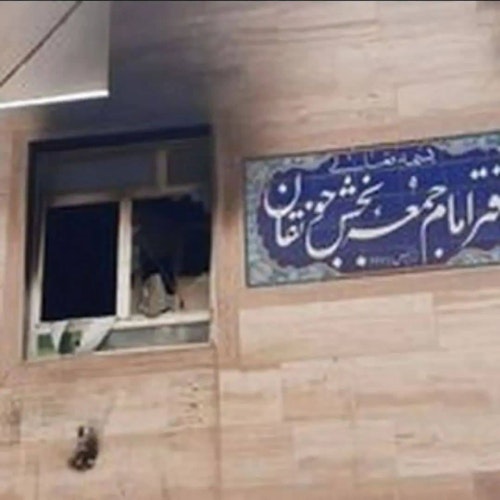
Friday Prayer Leader’s Office in Jonqan Set on Fire, State Media Reports

Videos and claims circulated on social media allege protesters in Jonqan (Farasan County, Chaharmahal and Bakhtiari province) attacked the local Friday prayer leader’s office. Mehr News Agency reported the office was set ablaze, describing the perpetrators as “opportunists,” and said police and security forces intervened to contain the situation while an investigation and identification process is underway. Independent verification of the social-media footage and full circumstances remains limited.

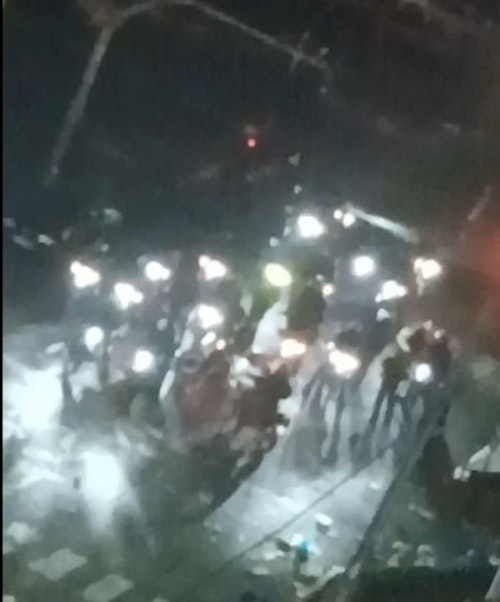
Iran Protests Enter Sixth Day as Night Clashes Reported Across Multiple Cities

Six days into the current protest wave, social-media reports said clashes between demonstrators and security forces continued on Friday, January 2, 2026, with multiple cities described as tense through late night—including Azna, Dorud, Lordegan, Kuhdasht, Hamedan, Asadabad, Qom, Jonqan, Marvdasht, and Gohardasht (Karaj). Separate circulating claims also suggested multiple protesters were killed during unrest on the prior day, though details remain difficult to independently verify. Protesters were also reported chanting slogans against the ruling system and Ali Khamenei, with some chants heard in support of Reza Pahlavi.

Regime Symbols Targeted as Protesters Torch Clerical Sites and Iconography, Reports Say

Reports and videos circulated by Persian-language outlets indicate a symbolic escalation in Iran’s unrest, with protesters targeting institutions and imagery closely associated with the Islamic Republic. Iran International reported—citing state-affiliated Mehr—that the Friday prayer leader’s office in Jonqan (Chaharmahal and Bakhtiari) was set on fire, while VOA Persian reported that a religious seminary in Farsan was torched. Separately, Iran International said a statue of Qassem Soleimani was set on fire in Lali (Khuzestan). While on-the-ground verification can be constrained, the focus on high-symbolism targets is widely being interpreted as evidence of a deepening rupture between parts of society and the ruling establishment.

Prince Reza Pahlavi Urges Protesters to Hold Streets and Expand Mobilization

In a public message, Prince Reza Pahlavi praised protesters’ courage and said the Islamic Republic tried to force people to stay home by shutting public venues and universities, but that demonstrators “stood in the streets” regardless. He called for greater solidarity and urged people to use upcoming gatherings and events to broaden the movement, adding that he and his team will continue efforts to mobilize supporters, encourage further defections from the system, and amplify protesters’ voices internationally.

Trump Threatens Intervention if Iran Uses Lethal Force Against Peaceful Protesters

U.S. President Donald Trump said in a Truth Social post that if Iran’s authorities “shoot and violently kill” peaceful protesters, the United States would step in to “rescue” them, adding that the U.S. is “locked and loaded.” The warning comes as Iran’s cost-of-living protests have widened and turned more violent in some areas, though Trump did not specify what form any U.S. action would take.

Iran Protest Crackdown: Claims of 10+ Dead and 100+ Arrested Circulate as Clashes Spread

Reports circulating via rights groups and social media claim more than 10 people have been killed and over 100 arrested as violent confrontations expand across multiple provinces and security forces intensify deployments. However, the highest-profile international reporting so far has cited lower, partially confirmed tallies—with coverage commonly referencing at least 6–7 deaths and dozens of arrests (including officials reporting detentions in Tehran), underscoring that real-time verification remains uneven and figures may change as more information is confirmed.

US–Iran Rhetoric Sharpens as Trump Warns of Intervention Over Protest Crackdown

As Iran’s cost-of-living protests turn deadlier, U.S. President Donald Trump said on Truth Social that Washington would “come to their rescue” if Iranian authorities “shoot and violently kill” peaceful protesters, adding the U.S. is “locked and loaded.” Iranian officials rejected the remarks as foreign interference, warning that outside intervention could destabilize the region—highlighting the risk of geopolitical spillovers against a backdrop of already strained U.S.–Iran ties and recent regional conflict.

Iran Slams Trump “Rescue” Threat as a “Gross Violation” of International Law

Iran’s Foreign Ministry spokesperson Esmaeil Baghaei rejected U.S. President Donald Trump’s warning of intervention to “rescue” protesters, saying Iranians will solve their problems through domestic dialogue and will not allow foreign interference. In an X post, Baghaei argued that Washington’s past “rescue” record includes the 1953 coup, the 1988 downing of Iran Air Flight 655, support for Saddam Hussein during the Iran–Iraq war, and sweeping sanctions—calling the latest threat a blatant breach of a core international-law principle (UN Charter norms).

Larijani Warns Trump: “Americans Should Be Mindful of Their Soldiers’ Safety”

Ali Larijani, Iran’s Supreme National Security Council secretary, pushed back against President Donald Trump’s Truth Social warning that the U.S. would “come to [Iranian protesters’] rescue” if Tehran uses lethal force, saying U.S. interference would “destabilize the entire region” and “destroy America’s interests.” In an X post, Larijani said Iran distinguishes between “protesting merchants” and “disruptive elements,” and added that “the American people should know—Trump started this adventurism” and should “take care of their own soldiers.”

Zahedan Sunni Cleric Backs Peaceful Protests, Urges Security Forces to Avoid Violence

Molavi Abdolhamid Ismaeelzahi, the Sunni Friday prayer leader of Zahedan, said in this week’s sermon that Iran’s living conditions have reached a “dead end,” arguing that people have the right to peaceful protest and that officers should not use violence against demonstrators, adding: “We are all the people of Iran.” He also criticized stopgap measures such as coupon-style “kalabarg” programs, saying officials must listen to society’s demands and think fundamentally. Footage shared from Zahedan also showed protest chants during/after Friday prayers in solidarity with demonstrations elsewhere.

Tehran Reasserts Missile Red Line as Defense Minister Says Capability “Not Negotiable”

Iran’s Defense Minister Aziz Nasirzadeh said Iran’s missile capability is “not negotiable,” arguing it cannot be eliminated “by bombs, negotiations, or assassinations,” and adding that even resolutions and political pressure will not dismantle it. Speaking during a visit with the family of Hossein Salami, the late IRGC commander killed during the June Israel-related strikes, Nasirzadeh claimed Iran’s defensive capacity is now “far beyond” the level seen during the June “12-day war,” warning that any threat to Iran would be met “decisively” and “without consideration.”

Shamkhani Warns Trump: “Interventionist Hand Will Be Cut Off”

Iranian official Ali Shamkhani said any “interventionist hand” approaching Iran’s security “will be cut off” before it arrives, calling Iran’s national security a “red line” and rejecting what he described as “adventurous tweets.” The remarks—posted on X on January 2, 2026—were framed as a response to U.S. President Donald Trump’s warning that the U.S. would “rescue” peaceful protesters if Iranian authorities use lethal force, as Tehran’s leadership continues to denounce foreign involvement in the unrest.

Marvdasht Funeral Becomes Protest Rally, With Anti-Regime Chants and Pro–Prince Reza Pahlavi Slogans

Videos shared on social media show large crowds in Marvdasht (Fars province) during the January 2, 2026 funeral of Khodadad Shirvani, who has been reported killed during the current protest wave. Footage circulated by outlets including Iran International shows mourners chanting anti-government and anti–Supreme Leader slogans, alongside calls supportive of Prince Reza Pahlavi (including chants such as “Pahlavi will return”). Rights group Hengaw also reported Shirvani was killed after security forces opened fire during protests, though independent verification of all video details and circumstances remains limited.

Funerals in Fooladshahr and Koohdasht Become Flashpoints as Mourners Clash With Security Forces

Videos and reports circulating on Friday indicate that funerals for people killed during the current unrest have become new protest flashpoints. In Fooladshahr (Isfahan province), Iran International reported mourners at the funeral of Dariush Ansari Bakhtiarvand chanted anti-government slogans, including “Death to Khamenei,” with some footage also showing pro-monarchy chants. In Koohdasht (Lorestan), social-media videos show mourners at the funeral of Amirhosam Khodayari clashing with security forces and pushing them back by throwing stones. Iranian state-aligned accounts have claimed Khodayari was a Basij member killed by “disruptive elements,” but in one circulated funeral video, his father denies that he was Basij and rejects the “riot” label; independent verification of all details remains limited.

Tension Reported in East Tehran and Qom as Protests Continue Into Sixth Night

Social-media reports said unrest remained elevated late Friday in Tehranpars (east Tehran) and Qom, with accounts of clashes between protesters and security forces and tear gas fired in Qom. Independent verification of these claims is limited in real time, but Iran-focused coverage has also reported tear gas being used to disperse crowds in parts of Tehran and nearby areas, underscoring the broader hardening of crowd-control tactics as protests persist.

Zahedan Security Tightens as Reports Say Five Baluch Citizens Detained After Friday Prayers

As nationwide protests continued on Friday, January 2, 2026 (12 Dey 1404), Baluch rights networks reported a sharper security posture in Zahedan, including the detention of at least five Baluch citizens by plainclothes forces after Friday prayers. The Baluch Activists Campaign said anti-riot units and security forces increased patrols and deployments across key streets (including University St. and خیابان خیام), while Haalvsh reported post-prayer marches and anti-government chants in solidarity with protests elsewhere. The reports also recalled the 2022 “Bloody Friday of Zahedan” crackdown as a key reference point for current fears of escalation; details remain difficult to independently verify in real time.

Reports of Internet Disruptions Emerge in Iranian Cities Amid Ongoing Protests

Unverified reports circulating from Iran suggest disruptions to internet access in several cities, particularly in areas where demonstrators have been active in the streets. Social media users have specifically reported connectivity problems in Marvdasht (Fars province), as authorities face rising pressure to contain information flows alongside the widening unrest.

Ilam and Kermanshah See Fresh Arrests and Injuries as Iran Protests Enter Day Six

IranWire, citing Kurdpa, reported that by 11 Dey 1404 (January 1, 2026) at least 16 people had been detained across locations in Ilam and Kermanshah provinces, with 30+ injured from reported pellet-gun fire, tear gas, and security raids. The report also said dozens were wounded in cities including Dehloran, Abdanan, Dareh Shahr, Harsin, and Eslamabad-e Gharb, and that some injured people avoided medical centers due to fear of arrest.

Tehran Bazaar Strikes Spread to Major Cities as Online Shops Suspend Sales, Reports Say

In recent days, widespread closures among merchants in Tehran’s Grand Bazaar and major commercial hubs in cities such as Shiraz, Isfahan, and Mashhad have added a new layer to Iran’s cost-of-living protests. What began as shop shutdowns has continued with street-level participation by merchants and residents and, in some locations, has been accompanied by political slogans targeting the broader power structure. The movement is also reported to be expanding beyond physical marketplaces: over the past 72 hours, **hundreds of online stores—especially Instagram-based sellers—**have reportedly suspended sales to signal solidarity with bazaar protests, indicating growing participation from parts of Iran’s digital economy.

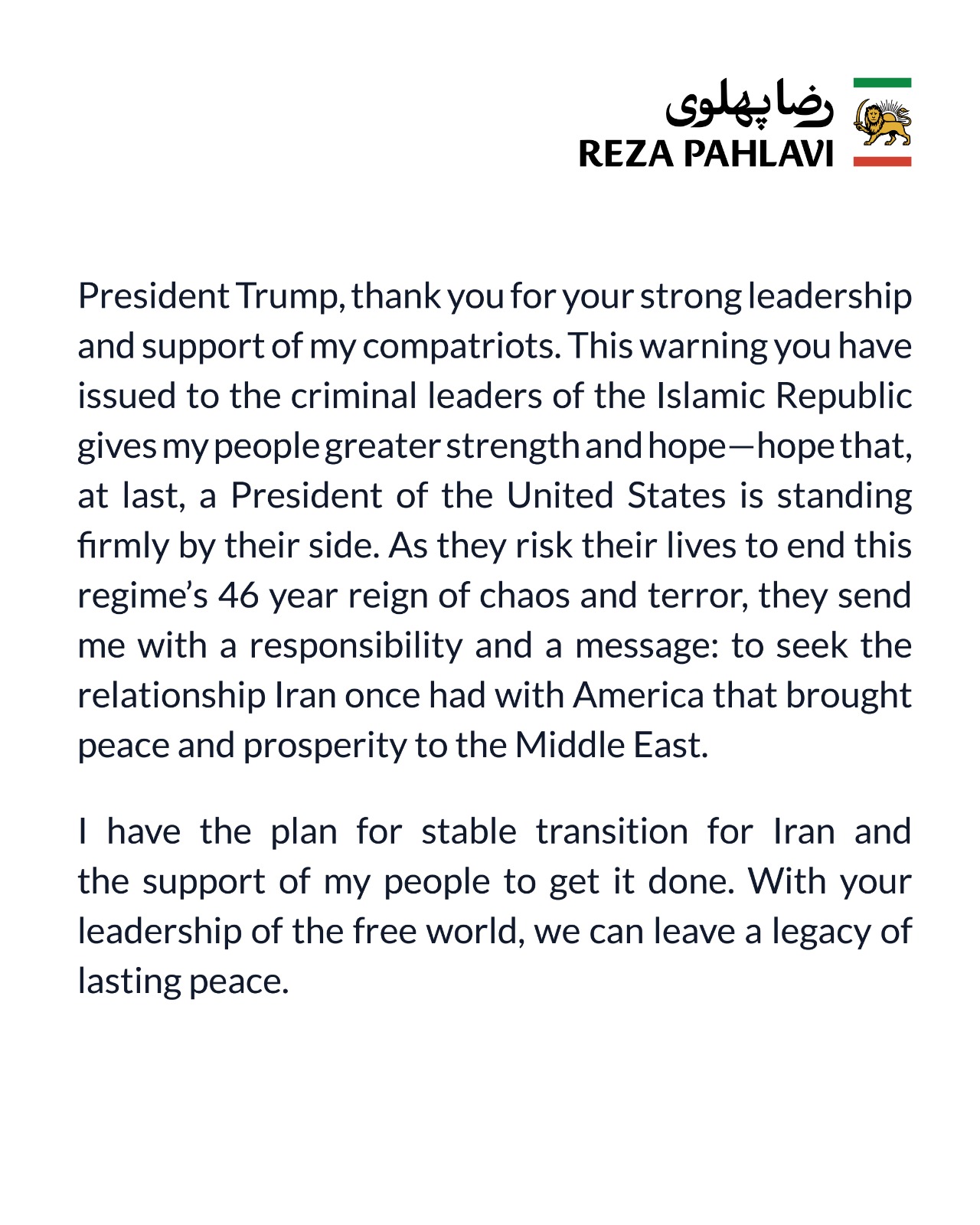
Prince Reza Pahlavi Thanks Trump, Says Warning Boosts Protesters’ “Hope and Resolve”

Prince Reza Pahlavi said President Donald Trump’s warning to the Islamic Republic has given Iranians “more strength and hope,” arguing it signals a U.S. president is now standing firmly with the Iranian people. In a direct message to Trump, he said Iranians are risking their lives to end 46 years of rule by the current system, and that they have entrusted him with a broader responsibility: pursuing the restoration of Iran’s relationship with the United States and advancing what he described as a clear plan for a stable political transition—one he says has public backing—framing it as a path toward lasting peace and prosperity in the region.

Masih Alinejad Urges Trump Not to Pursue a “Big Deal” With Tehran While Protests Intensify

Iranian human-rights activist Masih Alinejad said President Donald Trump’s choices at this moment are “decisive,” arguing the U.S. should not repeat what she described as the Obama-era mistake of overlooking Iranian protesters in favor of seeking a major agreement with Tehran. Her comments came as international coverage focused on widening unrest and rising casualties, and followed Trump’s own warning of possible U.S. intervention if protesters are violently killed.

Gunfire Heard Across Kermanshah During Protest Gatherings, Iran International Says

A video shared with Iran International appears to capture the sound of gunfire across Kermanshah as protesters gathered in the city, according to the outlet’s report. The footage itself cannot be independently verified in real time, but it adds to a broader pattern of escalating security responses reported in several protest-hit areas.

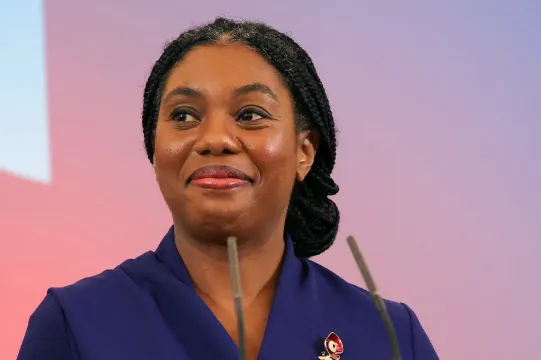
UK Conservative Leader Badenoch Backs Iran Protesters, Calls Regime a Threat to Britain

UK Conservative Party leader Kemi Badenoch said she stands with Iranians “risking everything for freedom,” writing on X that protesters challenging a “despotic and oppressive” system are “a beacon of hope,” while accusing Tehran of denying basic liberties at home and “exporting terrorism and instability” that threatens the UK and its allies. The statement comes as Iran’s unrest entered its sixth day, with fresh demonstrations reported after Friday prayers in Zahedan and chants including “Death to the dictator,” according to witnesses cited in regional coverage.

Khorramabad Clashes Intensify as Protesters Build Barricades, Iran International Reports

Iran International said videos received from Khorramabad (Lorestan) show security forces clashing with protesters on the evening of Friday, January 2, 2026 (12 Dey). The footage appears to show residents building street barricades to resist security advances—an escalation in street-level tactics that can increase the risk of heavier crowd-control measures and wider arrests. The videos and full circumstances cannot be independently verified in real time.

Protesters Light Fires in Kuhdasht’s Qods Square as Night Unrest Continues, Iran International Reports

Iran International said videos it received show protesters lighting fires in parts of Qods Square in Kuhdasht (Lorestan) on the evening of Friday, January 2, 2026 (12 Dey). The footage is presented as on-the-ground reporting from the protest scene; independent verification of the exact location and timing may be limited in real time.

U.S. Rep. Carlos Gimenez Backs Iran Protests, Says Islamic Republic Belongs in “Ash Heap of History”

U.S. Congressman Carlos A. Gimenez said he supports the Iranian people protesting the Islamic Republic and argued the regime should be relegated to the “ash heap of history,” in comments posted on X. His statement adds to a growing chorus of Western political figures publicly aligning with protesters, even as Tehran continues to denounce foreign “interference” and warns against outside involvement. X (formerly Twitter)+1

Dozens Resign From Fars Bar Association Roles, Citing “Silence and Inaction” on Crackdown

A group of lawyers affiliated with the Fars, Kohgiluyeh & Boyer-Ahmad Bar Association announced a collective resignation from commission and institutional roles, protesting what they described as the bar’s “silence and inaction” amid the suppression of street protests. In their open letter to the board, the signatories argued the institution has failed to use its legal and civic capacity to defend citizens’ rights, framing their resignations as an ethical protest meant to push civil-society bodies to take clearer positions as unrest persists.

Market impact: Incrementally risk-negative for Iran’s macro outlook—signals widening professional-sector dissent, higher political risk premia, and weaker policy credibility, which can amplify FX/inflation expectations and deter near-term investment.

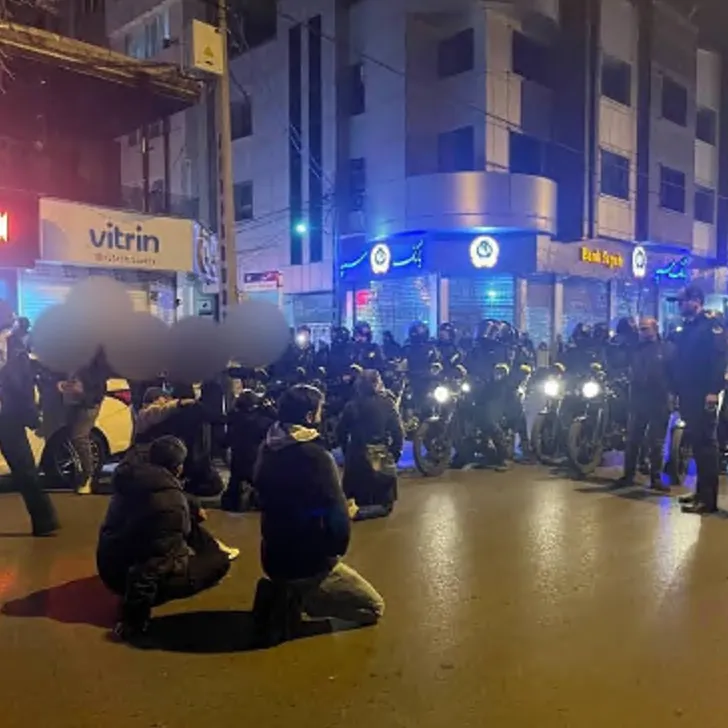
Mashhad Image Shows Two Protesters Sitting in Front of Security Forces, Symbolic Act of Defiance

A photo circulating on social media during the sixth day of Iran’s nationwide protests appears to show two protesters in Mashhad sitting on the ground directly in front of security forces. The image is being interpreted as a symbolic, non-violent act of resistance. Similar imagery previously circulated from Tehran, where a lone protester was photographed taking the same stance. Independent verification of the photo’s exact timing and location is limited.

Pezeshkian Offers Direct Talks With Guilds as Protests Continue Into Day Six

Iran’s President Masoud Pezeshkian said he is prepared to speak directly with business guilds if needed, telling a meeting with Agriculture Ministry managers: “If necessary, I will talk with the guilds myself,” and adding that if protesters are “right” and the government is at fault, authorities will try to correct course. The remarks come as nationwide protests continued into a sixth day, with demonstrations reported in cities including Zahedan, where crowds chanted slogans such as “Death to the dictator” and “Death to Khamenei,” while reports in recent days have also cited fatalities during confrontations with security forces.

Mashhad Protesters Chant “This Is the Final Battle, Pahlavi Will Return,” Video Reportedly Shows

Iran International said a video it received shows demonstrators in Mashhad chanting “This is the final battle; Pahlavi will return” during nighttime protests on Friday, January 2, 2026 (12 Dey). The slogan signals a shift beyond purely economic grievances toward overt political messaging referencing Prince Reza Pahlavi, though real-time independent verification of footage details can be limited.

Qazvin Night Marchers Chant “This Is the Year of Blood, Seyed Ali Will Be Overthrown

Videos shared in sicial media show protesters marching in Qazvin on the night of Friday, January 2, 2026 (12 Dey) and chanting “This is the year of blood; Seyed Ali will be overthrown,” one of the most explicit anti-leadership slogans heard in the current unrest wave. The footage adds to broader reporting that street messaging in multiple cities is shifting from economic grievances toward direct political demands.

Market impact: Risk-negative—political escalation and tougher security responses typically widen uncertainty, raise Iran risk premia, and can amplify FX/inflation expectations via confidence and capital-flight channels.

Qom Night Protests Continue as Fires Lit on Streets, Iran International Reports

Iran International said videos it received show nighttime protests continuing in Qom on Friday, January 2, 2026 (12 Dey), with protesters remaining in the streets and lighting fires in some areas. The footage, while difficult to independently verify in real time, fits a broader pattern of nighttime gatherings and street fires reported in multiple cities during the current wave of unrest.

Arak Protesters Chant “Death to the Dictator,” Video Shared With Iran International Shows

Videos shared in social Media, show protesters taking to the streets in Arak on the night of Friday, January 2, 2026 (12 Dey) and chanting “Death to the dictator,” extending the city’s nighttime demonstrations seen over recent days. As with other social-video reporting in this wave, independent verification of exact location and timing can be limited in real time.

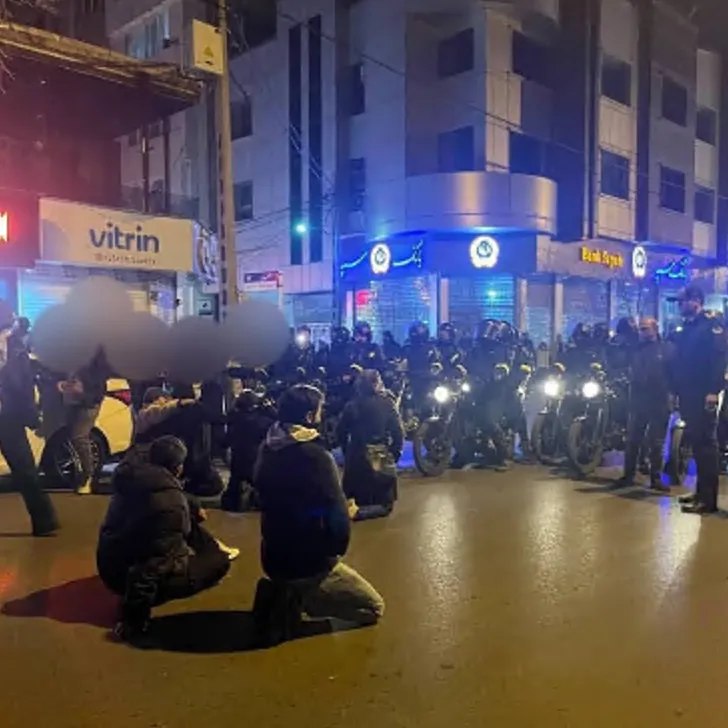
Hamedan Photo Shows Symbolic “Sit-Down” Resistance in Front of Security Forces

A photo circulating on social media appears to show two protesters in Hamedan sitting on the street directly in front of security forces, a symbolic non-violent tactic that has been repeated in other cities during the current unrest wave. Similar images previously circulated from Tehran and Mashhad, where protesters used the same “sit-down” gesture to signal defiance without escalation; independent verification of the photo’s exact time and location remains limited.

Hamedan Prosecutor Confirms Arrests, Claims “Organized Elements” Tried to Provoke Security Response

Hamedan’s chief prosecutor Abbas Najafi said the judiciary has detained a number of people linked to recent street protests and opened criminal cases, while acknowledging broad public frustration over high prices and economic instability. He claimed turnout has been lower than in past episodes and that most demands were raised “peacefully,” but alleged some “organized, trained” actors sought to create disorder—including by moving toward “sensitive” sites such as mosques and police stations—and said several alleged ringleaders have been arrested.

Prince Reza Pahlavi Calls for Mass Turnout in Tehran and Major Cities

In a new message on the nationwide protests, Prince Reza Pahlavi urged million-scale public حضور in Tehran and other major cities, arguing that large, simultaneous street presence—potentially paralyzing traffic and commercial life—would accelerate pressure on the Islamic Republic and blunt its ability to suppress demonstrations. He framed Tehran and major urban centers as pivotal arenas, saying the authorities seek to prevent large gatherings there because they could speed the regime’s decline.

Bushehr Teachers’ Guild Backs Nationwide Protests, Citing “Century-Long” Struggle for Freedom

The Bushehr Teachers’ Trade Association said it supports Iran’s nationwide protests, describing the unrest as a continuation of more than a century of popular struggle for freedom, justice, and equality. In its statement, the group condemned repression, despotism, and exploitation, arguing that public demands have repeatedly been met with coercion, and declared “full solidarity” with protesters.

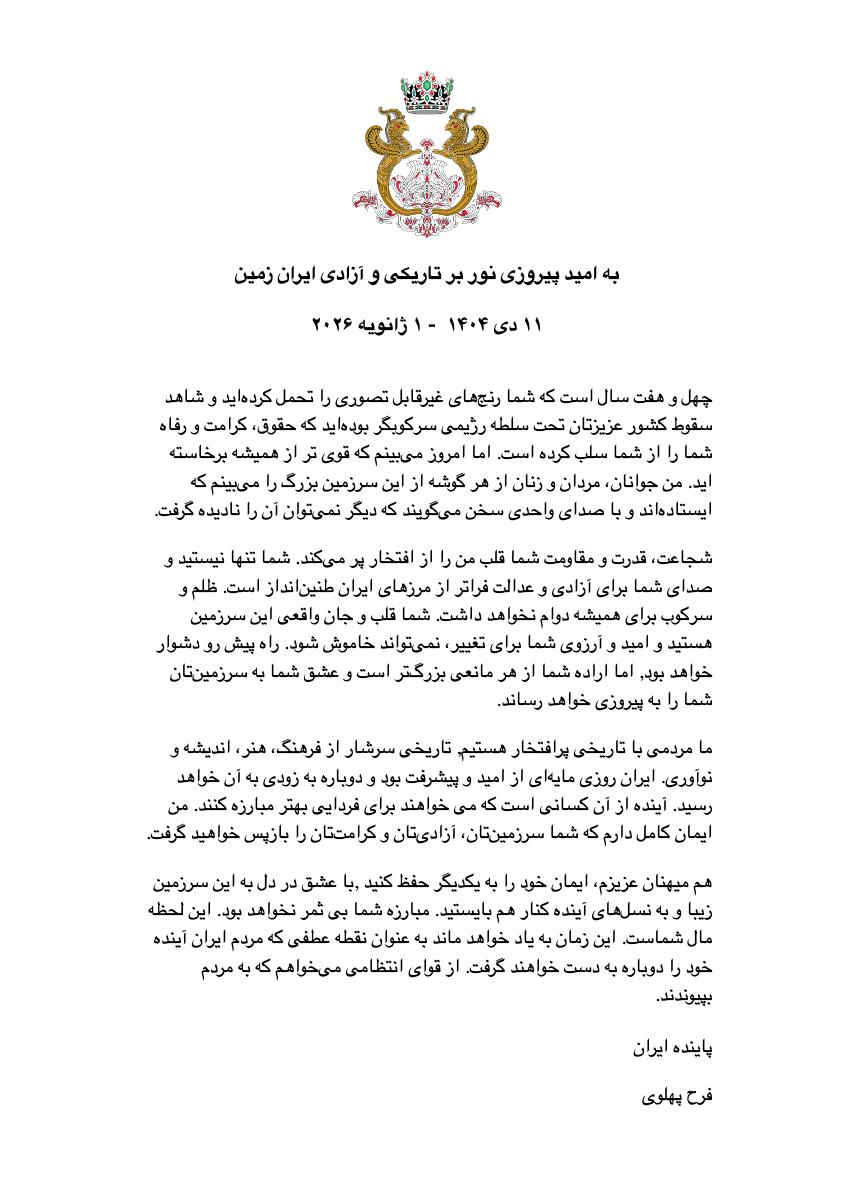
Farah Pahlavi Says Iranians Will “Reclaim” Their Homeland, Urges Unity Amid Protests

In a message to Iranians, Farah Pahlavi said she has “full faith” the public will reclaim their “homeland, freedom, and dignity,” portraying the current unrest as a moment when society has risen “stronger than ever” after decades of repression. She praised protesters’ courage and resilience, said their voice for freedom and justice is resonating beyond Iran’s borders, and urged citizens to stand together for the future—calling on law enforcement forces to join the people.

Shiraz Joins Night Protests With Car Horns and Street Chants, Video Reportedly Shows

Videos received by Iran International indicate that on Friday night, January 2, 2026 (12 Dey), residents in Shiraz expressed solidarity with nationwide protests by honking car horns and shouting protest slogans. The tactic reflects a broader pattern of decentralized nighttime participation—often used to sustain momentum while reducing exposure to direct street confrontation—though independent verification of the footage details remains limited.

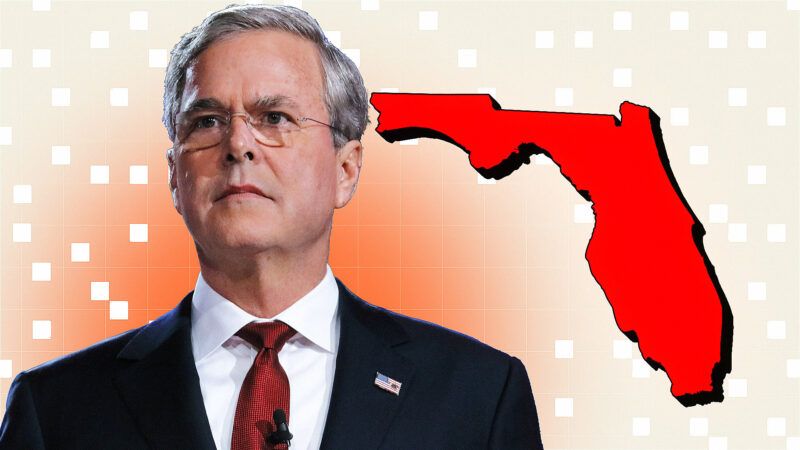
Jeb Bush: Islamic Republic “Does Not Represent the Great People of Iran”

Jeb Bush, chairman of United Against Nuclear Iran (UANI), wrote on X that “the Islamic Republic is not representative of the great people of Iran,” and said President Donald Trump has again shown “historic leadership” on Iran—referencing Trump’s warning that the U.S. could intervene if Iranian authorities use lethal force against peaceful protesters.

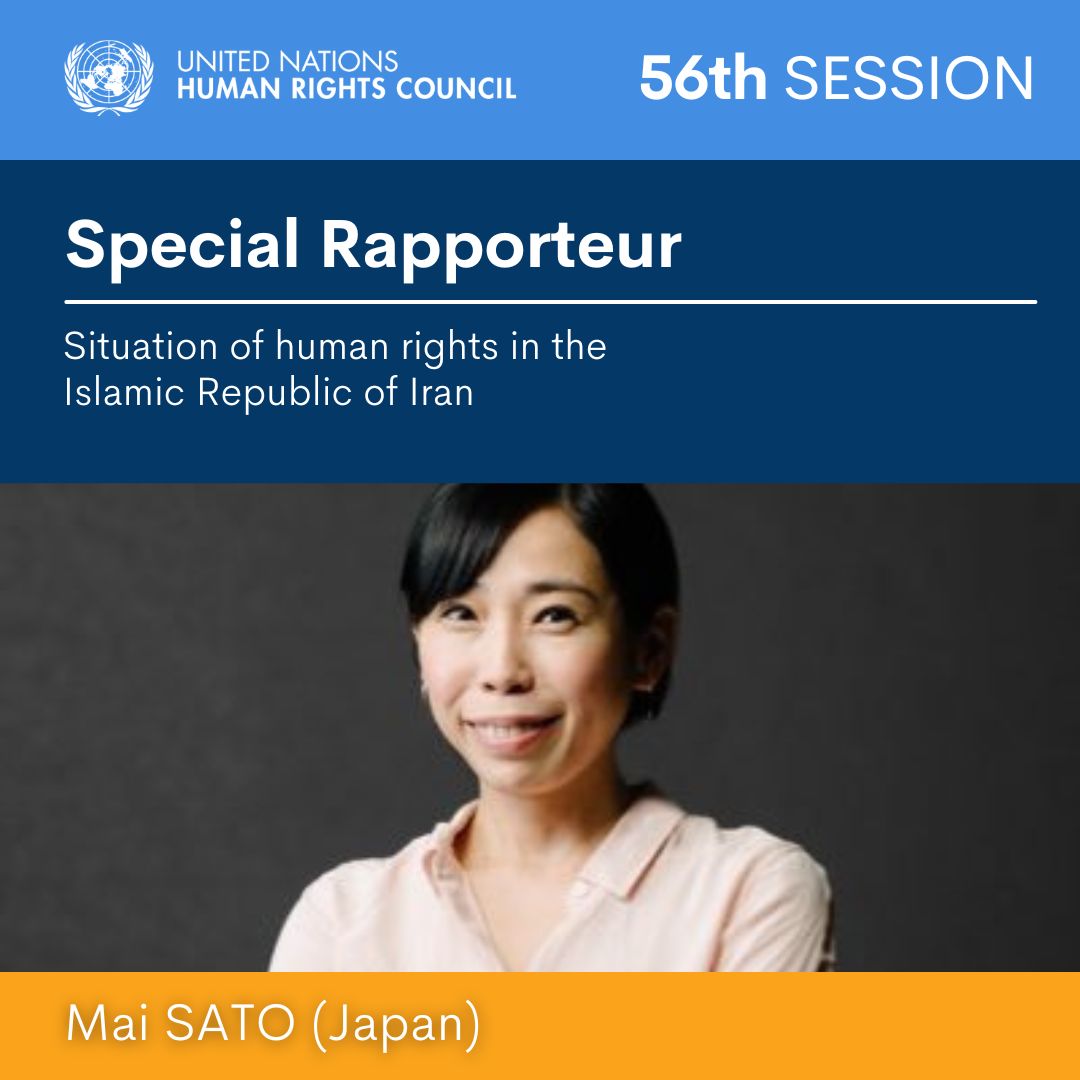
UN Rapporteur Warns Against Repeat of 2022-Style Crackdown as Iran Protests Escalate

UN Special Rapporteur on Iran Mai Sato said she is closely monitoring the sixth day of protests and warned against a repeat of the violent response seen during the “Woman, Life, Freedom” movement, urging authorities to respect freedom of expression, association, and peaceful assembly and to refrain from excessive force. Her remarks come as clashes between protesters and security forces intensify and reported fatalities mount—international reporting cites at least 6–7 deaths so far, underscoring a sharp escalation in security and human-rights risk.

More Iran news

Others

South Korea Exports Jump, Trade Surplus Widens in December

South Korea’s December trade data surprised to the upside, pointing to a firmer external backdrop into year-end. Exports rose 13.4% y/y (8.3% expected, 8.4% prior), while imports increased 4.6% y/y (2.4% expected, 1.1% prior). The trade balance improved to a $12.18B surplus ($10.00B expected, $9.74B prior), signaling stronger net exports and a supportive impulse for Q4 growth momentum, even as import growth indicates domestic demand is holding up.

Market impact: Generally supportive for KRW and South Korea risk assets—stronger exports and a wider surplus can reduce macro headwinds and ease balance-of-payments concerns. For global markets, the data is modestly constructive for broader Asia sentiment, while also reinforcing expectations that trade-sensitive sectors may remain resilient if external demand stays firm.

South Korea Manufacturing PMI Returns to Expansion in December

South Korea’s S&P Global Manufacturing PMI rose to 50.1 in December (49.4 prior), moving back above the 50 threshold and signaling a tentative return to expansion. While the improvement is modest, it suggests factory conditions stabilized into year-end after a prior month in contraction—an encouraging datapoint alongside stronger trade figures, though the narrow margin above 50 implies the rebound is still fragile.

Market impact: Mildly supportive for KRW and local equities—crossing back above 50 can improve near-term sentiment around growth. However, the thin expansion reading is unlikely to materially shift Bank of Korea expectations on its own, keeping broader risk pricing driven by inflation, global demand, and USD direction.

Türkiye Manufacturing PMI Improves, but Stays in Contraction in December

Türkiye’s Istanbul Chamber of Industry (ICI) Manufacturing PMI edged up to 48.9 in December (48.0 prior), signaling a modest improvement in operating conditions but remaining below the 50 threshold that separates expansion from contraction. The uptick suggests the pace of deterioration eased into year-end, yet the still-sub-50 reading indicates manufacturing remains under pressure—likely reflecting tight financial conditions, weak domestic demand pockets, and ongoing cost dynamics.

Market impact: Slightly supportive for TRY at the margin as the improvement reduces near-term growth downside fears, but the sub-50 level keeps the broader macro tone cautious. For Turkish assets, the data argues for continued sensitivity to rates, liquidity conditions, and inflation trends—PMI stabilization helps sentiment, but does not on its own signal a clear growth re-acceleration.

Brazil Manufacturing PMI Falls Further, Signaling Deeper Contraction in December

Brazil’s S&P Global Manufacturing PMI dropped to 47.6 in December (48.8 prior), moving further below the 50 threshold and indicating a deeper contraction in factory activity. The decline suggests weaker demand conditions and softer production momentum into year-end, consistent with tighter financial conditions and cautious business sentiment weighing on the industrial cycle.

Market impact: Mildly negative for BRL and Brazil risk assets at the margin—softer manufacturing momentum can reinforce growth downside concerns and keep investors attentive to the pace of policy easing and fiscal headlines. For rates, weaker activity data can add modest support to local bonds if inflation dynamics allow.

Mexico Manufacturing Contraction Deepens as PMI Falls Further Below 50

Mexico’s S&P Global Manufacturing PMI declined to 46.1 in December (47.3 prior), moving deeper into contraction territory and signaling a sharper deterioration in factory activity into year-end. The drop suggests weaker demand conditions and pressure on output, consistent with a cooling industrial cycle and potentially softer spillovers from external demand.

Market impact: Mildly negative for MXN and Mexico-linked risk assets at the margin—deeper contraction can raise growth concerns and keep investors focused on Banxico’s policy path and U.S. demand signals. In rates, weaker activity may support local bonds if inflation remains contained, but FX sensitivity to broader USD moves is likely to remain the dominant driver.

More Others news

Europe

Eurozone Money Supply Growth Picks Up as M3 Expands in November

Eurozone broad money (M3) rose to €17,189.3B in November (prior €17,085.8B), while annual M3 growth accelerated to 3.0% y/y (2.7% expected, 2.8% prior). The upside surprise suggests liquidity conditions are gradually improving and that the post-tightening monetary drag is easing at the margin—though money growth at these levels still points to a slow, controlled normalization rather than an aggressive credit upswing.

Market impact: Mildly supportive for EUR and euro-area risk sentiment—firmer money growth can be read as a small tailwind for activity expectations. However, the move is unlikely to materially shift ECB pricing on its own; markets will still focus primarily on inflation, wages, and hard-activity indicators to time any policy pivot.


Eurozone Factory Downturn Deepens as Manufacturing PMI Falls Further Below 50

The HCOB Eurozone Manufacturing PMI slipped to 48.8 in December (49.2 expected, 49.6 prior), undershooting forecasts and signaling a renewed loss of momentum in the region’s industrial sector. Remaining firmly below the 50 threshold indicates manufacturing stayed in contraction into year-end, reinforcing the view that the euro area’s growth mix remains heavily reliant on services while factories continue to face weak demand and persistent margin pressure.

Market impact: Mildly negative for EUR and supportive for core bonds—softer manufacturing momentum strengthens the “low growth” narrative and can keep markets biased toward easier ECB policy later in 2026. European cyclicals may remain capped unless incoming orders and output indicators show clearer signs of bottoming.

Eurozone Credit Growth Firms as Corporate Lending Accelerates in November

Eurozone lending indicators strengthened in November, pointing to a gradual easing in credit headwinds. Loans to non-financial corporations rose 3.1% y/y (prior 2.9%), while private sector loan growth held slightly firmer at 2.9% y/y (2.8% expected, 2.8% prior). The pickup in corporate lending suggests financing conditions may be loosening at the margin after a prolonged tightening cycle, though the pace remains consistent with a slow, controlled recovery rather than a broad-based credit boom.

Market impact: Mildly supportive for EUR and euro-area risk sentiment—improving credit flow can underpin growth expectations and help offset weak manufacturing signals. However, it is unlikely to shift ECB pricing materially on its own; markets will still anchor on inflation, wages, and hard activity data to gauge the timing and scale of any policy pivot.

Spain Car Registrations Rebound in the Month, but Turn Negative Year-on-Year in December

Spain’s car registrations rose 9.4% m/m in December (prior -2.7%), indicating a monthly rebound in new vehicle demand. However, registrations fell -2.2% y/y (prior 12.9%), swinging into contraction on an annual basis and suggesting underlying demand momentum softened versus a strong comparison period. The mixed signal points to short-term improvement in activity but a more cautious consumer backdrop heading into early 2026, with affordability and financing costs still key constraints.

Market impact: Limited direct impact on EUR, but mildly negative for Spain-linked consumer cyclicals at the margin—y/y weakness can reinforce the broader “soft demand” narrative in the euro area. If confirmed by retail and confidence data, it could add to expectations of a more accommodative ECB stance later in 2026.

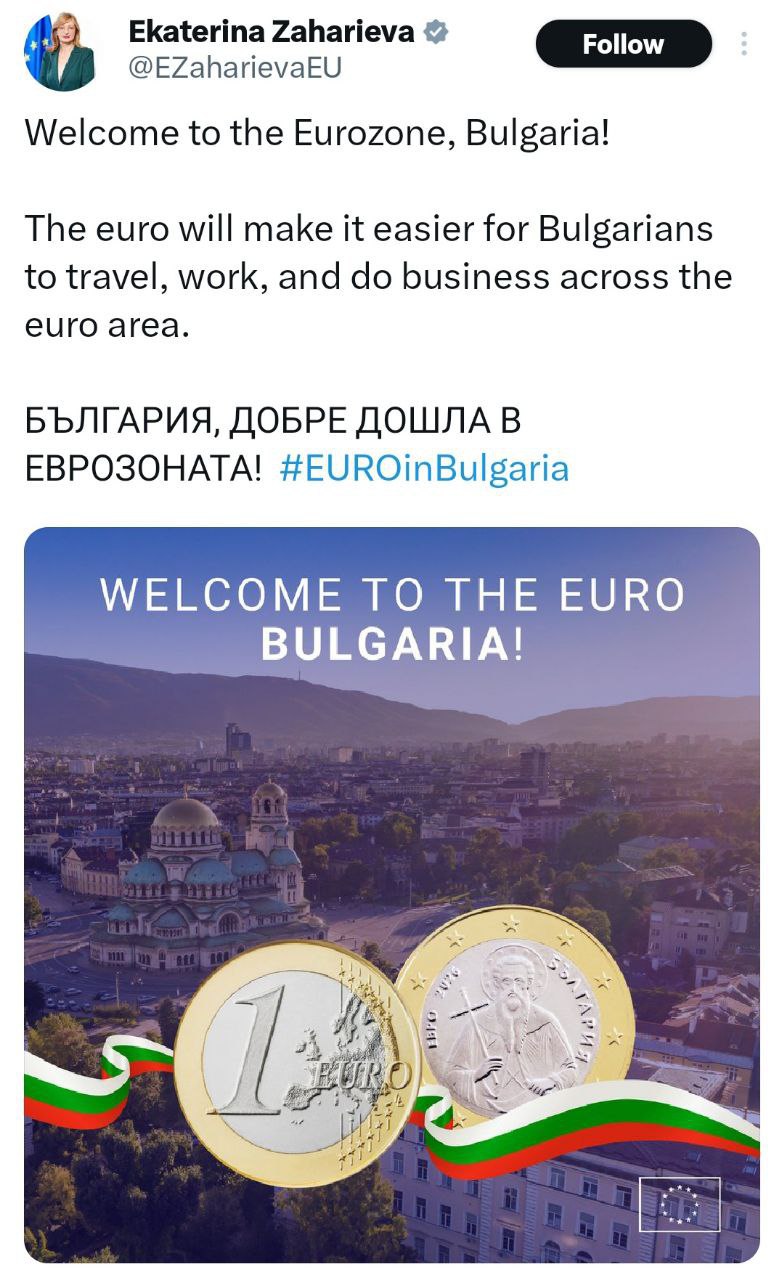
Bulgaria Officially Adopts the Euro, Lev Phased Out as Public Concerns Persist

Bulgaria officially entered the euro area on January 1, 2026, replacing the Bulgarian lev with the euro and becoming the 21st member of the currency union. The changeover follows EU/ECB approvals, with the long-standing fixed conversion rate set at 1 EUR = 1.95583 BGN, and a short dual-circulation period in which the lev remains temporarily usable for cash payments while change is given in euros. While policymakers frame the switch as deeper EU integration and improved institutional influence (including Bulgaria’s seat on the ECB Governing Council), parts of the public remain concerned about potential price increases and broader economic strain—especially given domestic political volatility.

Market impact: Typically, supportive for Bulgaria’s macro risk profile over time—removing residual currency-conversion friction and further anchoring policy credibility—but near-term sentiment can be sensitive to perceived “euro-related” price hikes and political noise. Spillover to EUR is likely limited; the cleaner channel is Bulgaria asset pricing (local banks, sovereign spreads) and confidence effects.

More Europe news

India

India Manufacturing PMI Stays Strong, but Momentum Cools in December

India’s S&P Global Manufacturing PMI eased to 55.0 in December (55.7 expected, 56.6 prior). The index remains firmly in expansion territory, indicating manufacturing activity is still growing at a healthy pace, but the downside miss and step-down from November suggest momentum moderated into year-end—potentially reflecting softer new orders growth or some normalization in output after a strong prior month.

Market impact: Mildly negative for INR at the margin—still-expansionary PMI supports India’s growth story, but the softer-than-expected print can slightly reduce near-term “reflation” pricing and cap INR upside unless services and inflation data confirm sustained demand strength.

India FX Reserves Rise as Credit Growth Stays Firm

India’s external buffers strengthened, with FX reserves rising to $696.61B (prior $693.32B), reinforcing policy flexibility and near-term stability for the balance of payments. Alongside that, domestic credit conditions remain supportive: bank loan growth accelerated to 12.0% (prior 11.5%), pointing to resilient borrowing demand. Offsetting this, deposit growth eased to 9.4% (prior 10.2%), a mild tightening signal on bank funding dynamics that can keep a close watch on system liquidity. The reserve-related ratios also edged lower (gross FX reserves 76.98B vs 79.41B prior; net FX reserves 79.77% vs 80.43% prior), suggesting some normalization in reserve composition even as the headline stock increased.

Market impact: Mildly supportive for INR—higher headline reserves typically reduce external vulnerability and can help dampen FX volatility. However, faster loan growth alongside slower deposit growth can be a marginal liquidity watch item, keeping INR performance sensitive to domestic rate expectations and global USD moves.

More India news

UK

UK House Prices Slip in December, Annual Growth Cools Sharply

UK Nationwide house prices fell -0.4% m/m in December (0.1% expected, 0.3% prior), while the annual rate slowed to 0.6% y/y (1.2% expected, 1.8% prior). The weaker-than-expected print suggests the housing market lost momentum into year-end, consistent with affordability pressure from still-elevated mortgage rates and a more cautious buyer backdrop. The sharp deceleration in the y/y pace also points to a cooling wealth effect heading into early 2026.

Market impact: Mildly negative for GBP at the margin—soft housing data can reinforce expectations of a more dovish Bank of England trajectory if broader activity indicators also soften. For rates, it is modestly supportive for Gilts, while UK homebuilders and domestic cyclicals may see sentiment capped near term.

UK Manufacturing Stays in Expansion, but December PMI Misses Expectations

The UK’s S&P Global Manufacturing PMI eased to 50.6 in December (51.2 expected, 51.2 prior). The index remains just above the 50 mark, indicating manufacturing is still expanding, but the downside miss suggests momentum cooled into year-end and the sector is operating with little buffer against slipping back into contraction. The softer print reinforces the view that UK growth is steady but not accelerating, with demand conditions still sensitive to financing costs.

Market impact: Mildly negative for GBP at the margin—remaining above 50 offers some support, but the miss can add to expectations that the Bank of England will have room to turn more cautious if broader activity data also softens. Gilts may see modest support, while UK cyclicals could remain range-bound without stronger evidence of an upturn in orders and output.

More UK news

Oceania

Australia Manufacturing PMI Holds Above 50, But Misses Expectations

Australia’s Judo Bank Manufacturing PMI held at 51.6 in December (52.2 expected, 51.6 prior), keeping the sector modestly in expansion territory. The unchanged reading suggests manufacturing conditions remained stable into year-end, but the downside miss versus consensus points to a softer momentum profile than markets anticipated—consistent with a “steady, not accelerating” growth signal from the factory sector.

Market impact: Neutral to mildly negative for AUD at the margin—staying above 50 supports the soft-landing narrative, but the miss can temper near-term optimism and keep rate-sensitive assets focused on broader inflation and labor-market signals rather than manufacturing strength alone.

More Oceania news

Canada

Canada Manufacturing PMI Edges Up, but Remains in Contraction in December

Canada’s S&P Global Manufacturing PMI ticked up to 48.6 in December (48.4 prior), showing a slight improvement in operating conditions but remaining below the 50 threshold that separates expansion from contraction. The modest uptick suggests the pace of weakness eased marginally into year-end, yet the sub-50 reading indicates manufacturing activity is still contracting and demand conditions remain soft.

Market impact: Limited immediate impact on CAD—the small improvement is mildly supportive at the margin, but continued contraction keeps the broader growth tone cautious. For rates, persistent sub-50 PMI can be modestly supportive for Canadian bonds and can reinforce expectations that policy will remain sensitive to growth data, especially alongside inflation and labor-market prints.

More Canada news

USA

U.S. Manufacturing PMI Holds in Expansion, but Momentum Softens in December

The U.S. S&P Global Manufacturing PMI came in at 51.8 in December (51.8 expected, 52.2 prior), matching consensus while easing from the prior month. The index remains above 50, indicating manufacturing is still expanding, but the slight step-down suggests growth momentum cooled into year-end. The steady-but-softer reading is consistent with a manufacturing sector that is stabilizing rather than accelerating, keeping the broader growth narrative dependent on services and labor-market resilience.

Market impact: Largely neutral for USD—an in-line print reduces surprise risk, while the small deceleration can keep Treasury yields supported at the margin if it aligns with other cooling activity indicators. For risk assets, the above-50 level is mildly supportive, but not strong enough on its own to materially shift rate-cut/rate-hold pricing without confirmation from jobs and inflation data.

More USA news

Forex

Tehranpars Protesters Chant “Neither Gaza Nor Lebanon, My Life for Iran,” Iran International Video Says

Videos shared in soclial media show a nighttime gathering in Tehranpars (east Tehran) on Friday, January 2, 2026 (12 Dey), with crowds chanting “Neither Gaza nor Lebanon, my life for Iran.” The slogan underscores a nationalist framing that rejects regional spending priorities and signals how street messaging is expanding beyond purely economic grievances into sharper political and foreign-policy criticism.

More Forex news
Market news roundup: Friday, 2 January 2026