IFC Markets Live Quotes

Market news roundup: Monday, 9 February 2026

64 short market news items, grouped by 10 sections.

Iran

Tehran’s Red Line: “Zero Enrichment” Is Off the Table, MP Says

Iranian lawmaker Abbas Moqtadaei said “zero enrichment” is a core red line for the Islamic Republic, adding that nothing beyond the nuclear file has a place in the current negotiations, according to Iranian media reporting on a closed parliamentary session.

The remarks echo Iran’s broader messaging in the Oman-mediated track, where Tehran has publicly framed domestic enrichment as non-negotiable and has rejected expanding talks to other الملفات مثل برنامه موشکی.

Paris Calls for Narges Mohammadi’s Release After New 7.5-Year Sentence

France’s foreign ministry said it learned “with deep concern” that Iranian Nobel Peace Prize laureate Narges Mohammadi has been sentenced to seven and a half years in prison, and called for her release.

In its statement, France said the conviction reflects a renewed choice of repression and intimidation at the expense of Iranians’ fundamental rights—rights Mohammadi has long defended.

Mohammadi’s supporters say the latest ruling adds 6 years for “assembly and collusion against national security” and 1.5 years for “propaganda”, alongside internal exile and a travel ban.

Mirsalim: “We’re strong—no need to beg,” warns of retaliation if US harms Iran

Mostafa Mirsalim, a member of Iran’s Expediency Discernment Council, said Iran is “strong” and does not need to “beg,” arguing the country can “stand on its own feet” thanks to its resources.

He also warned that if the United States “damages” Iran, Tehran “won’t stay silent” and will try to “endanger” U.S. interests, according to the reported remarks.

Teacher and Nature Guide Ali Cheraghi Detained in Tehran; Family Says No Information

Iran International reported that Ali Cheraghi, a teacher and nature-tour guide, was arrested on 8 Bahman after security forces raided his home in Tehran’s Punak neighborhood.

According to the report, his family still does not know where he is being held or his current condition, and no official details about charges were cited.

Tehran MP Slams Pezeshkian’s “We’re Miserable” Messaging

Iranian lawmaker Kamran Ghazanfari, a member of parliament’s Internal Affairs Committee, criticized President Masoud Pezeshkian for repeatedly portraying the country as broke and short of basic resources, saying the president “only says we’re miserable… we have no money, no currency, no water, no electricity.”

Ghazanfari argued that the tone shifted sharply after the change of president, claiming that during Ebrahim Raisi’s tenure, the president “didn’t constantly say” Iran lacked water, electricity, gas, gasoline, money, or currency.

Lawyer Says Brother Detained Since Jan. 10; “Last Defense” Taken Without Counsel

Iranian lawyer Hossein Taj said on X that his brother, Ahmad Taj, was arrested on 21 Dey while returning home and—after 10 days in the custody of a security agency—was transferred to Tehran Greater Prison.

According to Taj, Ahmad has been charged with “assembly and collusion”, and his final defense was taken without access to a lawyer.

Allameh Tabataba’i University Sets In-Person Start for Spring Term on Feb. 28

Iranian media report that Allameh Tabataba’i University’s second-semester (1404–1405) classes will begin in-person on Saturday, 9 Esfand 1404 (Feb. 28, 2026), citing an educational affairs notice.

The notice says the decision follows student requests for a short instructional break after final exams, and applies across degree levels.

Tehran Bus Workers’ Syndicate: “Hundreds of Workers” Killed or Detained in Dey Crackdown

The Syndicate of Workers of Tehran and Suburbs Bus Company said in a statement dated 20 Bahman 1404 (Feb. 9, 2026) that hundreds of protesting workers were killed or arrested during the Dey nationwide protests, condemning what it described as a wave of violent repression and demanding the immediate, unconditional release of all detainees.

The syndicate said that despite weeks of internet shutdowns and severe communications limits, reports have gradually emerged indicating significant worker casualties—especially around 18–19 Dey, when repression intensified. It also claimed that workers in industrial zones, including Assaluyeh, were detained in groups and held in warehouses linked to the same companies after organizing toward broader strike action.

In its demands, the syndicate called for transparent publication of the lists of the dead and detained, stressed that livelihood and dignity demands are not crimes, and held detaining authorities responsible for detainees’ safety, while urging accountability for those who ordered and carried out the crackdown in open, fair trials.

Guardian: China’s Tech Stack Powers Iran’s Internet Clampdown

A Guardian analysis, citing a new report by UK-based rights group ARTICLE 19, says Chinese technology forms the backbone of Iran’s internet censorship and surveillance architecture—including facial-recognition tools associated with policing in China’s Xinjiang region and BeiDou, China’s satellite navigation system often described as an alternative to US GPS.

The report argues that this imported/partnered infrastructure helped enable Iran’s near-total internet shutdown during the peak of January’s protests, which, according to rights monitors, made it harder to document alleged serious abuses as they unfolded. The ARTICLE 19 report also points to Chinese firms—such as Huawei, ZTE, Hikvision, and Tiandy—as suppliers across categories like filtering and surveillance, including deep packet inspection (DPI) capabilities.

Family Says Masoumeh Heydari Detained Outside Qazvin’s Chubindar Prison

A family member of Masoumeh Heydari—a relative of protest victim Javad Heydari (2022)—says she was arrested by IRGC Intelligence outside Chubindar Prison in Qazvin, reportedly under an order linked to Branch 4 of the Qazvin prosecutor’s office.

The claim follows a video warning posted earlier the same day, alleging security forces had threatened or targeted her daughter, Zahra Irandoust, inside the prison overnight. No official confirmation or details on charges were immediately available in the reports cited.

Iran women’s football faces “intensified threats” as players weigh protest solidarity — report

Iran International says pressure on women footballers has escalated as some players consider publicly aligning with Iran’s protest movement. The outlet reports security-linked intimidation tactics aimed at forcing silence—ranging from warnings and family pressure to professional consequences such as being sidelined from training or contract penalties.

Iran International describes the atmosphere as one of heightened surveillance, where even social-media posts or stories can trigger swift backlash. The claims have not been independently verified, and no official response was cited in the report.

Diplomacy Outside, Crackdown Inside: US Media Spotlight Post-Talks Arrests in Iran

U.S. outlets are increasingly linking Tehran’s latest wave of political arrests to the timing of ongoing U.S.–Iran talks, reporting that Iranian security services have widened the crackdown to include reformist figures and other domestic political voices soon after the negotiations resumed.

The Associated Press reports that authorities have detained at least four prominent reformist figures, including Azar Mansouri, Mohsen Aminzadeh, and Ebrahim Asgharzadeh, as the state pushes a narrative of alleged coordination with foreign adversaries. Meanwhile, market-focused U.S. coverage (including Barron’s) has framed the arrests as part of a broader pattern: tightening internal control while keeping the diplomatic track alive.

Iran Republican Bloc: “Change Must Be People-Led—No Foreign Intervention”

A coalition of Iranian republican, secular, and democratic groups said any political transition in Iran must be based on the free will of the people and without foreign intervention, according to a joint statement published 20 Bahman 1404 (Feb. 9, 2026).

In the statement, the groups condemned the violent crackdown on recent protests, describing it as a crime against humanity, and called for immediate, unconditional release of all political and conscience prisoners and an immediate halt to executions. They also urged international legal accountability for those responsible, while arguing that a secular-democratic alternative built on human rights, rule of law, and equality—backed by unity and organized civil action—is the path to change.

Tehran’s Café Crackdown Returns: Seals and Social Accounts Taken Offline

Reports from Tehran say authorities have launched a new wave of sealing (plomb) orders against cafés and restaurants, with businesses’ social-media pages also being restricted or taken down. The exact trigger remains unclear, according to the reporting.

The move comes amid a broader pressure campaign on businesses after the Dey unrest, when officials and state-linked outlets previously pointed to dozens of cafés accused of “supporting” unrest—while many small businesses have also been hit by internet disruptions and enforcement actions that undercut online marketing and sales.

Kerman Doctors Detained After Treating Protesters, Report Says

At least 10 doctors in Kerman have been detained for helping people injured in recent protests, according to Iran International. So far, only two names have been made public: Dr. Amir Shafiei and Dr. Saman Salari.

Earlier, the Norway-based rights group Iran Human Rights (IHR) warned of a wider crackdown on medical workers and volunteer aid providers, saying security forces have raided homes, clinics, and temporary treatment shelters, detaining those who assisted the wounded and damaging property—apparently to intimidate the medical community and discourage treatment.

Authorities have not publicly confirmed the Kerman detentions or announced formal charges, and independent verification remains limited.

Shargh: Reform Front Executive Summoned by IRGC Intelligence

Shargh’s Telegram channel reported that Faraj Komijani—a member of the Reform Front’s presidium and secretary-general of the Majma-e Farhangian Iran-e Eslami—has been summoned by the IRGC Intelligence Organization.

The report comes amid a broader wave of summons and arrests of political figures in recent days, though no official details on the reason for the summons were provided in the cited reports.

Taleblu: Tehran’s Post-Crackdown Isolation Is “Unprecedented”

Behnam Ben Taleblu, senior director of the Iran Program at the Foundation for Defense of Democracies (FDD), says the Islamic Republic has lost legitimacy and standing internationally after the killing of protesters and is now facing an “unprecedented” level of isolation, according to Iran International.

University of Tehran Film Student Sentenced to Two Years in Prison — Student Groups

Ali Taheri-Kia, a University of Tehran MA directing student who was detained on 13 Dey (≈ Jan. 3), has been sentenced to two years in prison, according to reports circulated by Students United and a student group’s statement.

Details of the charges and the court process have not been fully published in the reports, and no official judiciary statement was cited.

Hegseth to Tehran: A Deal Is the Smart Play

U.S. Defense Secretary Pete Hegseth said Iran would be making a “wise choice” by pursuing a negotiated agreement, adding that President Donald Trump has made clear he wants a deal through talks.

His comments come as the diplomatic track remains active amid heightened regional tensions and continued U.S. pressure on Iran’s nuclear posture.

Athletes Push Back After Iran Sports Ministry “Uses Their Names” for 22 Bahman Rally List

Iran’s Sports and Youth Ministry has published a statement claiming “more than 4,000 athletes” backed participation in the 22 Bahman anniversary march and supported the Islamic Republic—but multiple well-known figures named on the list told Iran International they had no knowledge of the statement and were never contacted for consent, calling the move “unethical” and a form of manufacturing a narrative.

The published list includes prominent football names such as Karim Bagheri, Javad Nekounam, Mohammad Mayeli-Kohan, Ehsan Hajsafi, and others, despite some having previously voiced sympathy with public protests. A separate report highlighted Mohammad Taghavi—a vocal critic of the Islamic Republic—as another example of a name appearing on the list, fueling claims it was compiled for optics and numbers rather than verified signatures.

Reza Pahlavi to Iranians: Don’t Get Distracted by Talks—Trust the Nation’s Power

In a short video posted Monday night (20 Bahman) on X, Reza Pahlavi urged Iranians not to be drawn into “side issues” such as negotiations and commentary around them, arguing the Islamic Republic’s strategy is to spread despair.

He framed the message as a call to resilience—saying the country’s sacrifices should not end in hopelessness—and asked people to keep faith in victory and in their own collective power, adding that “this time” the world will stand behind them and support their freedom.

More Iran news

Political

“Alliance Is Limitless”: Japan’s Takaichi Thanks Trump, Signals Spring White House Trip After Landslide Win

Japan’s Prime Minister Sanae Takaichi publicly thanked U.S. President Donald Trump on Monday and reaffirmed Tokyo’s alignment with Washington, a day after her coalition’s landslide election victory over the weekend.

In a social media post, Takaichi said she was “sincerely grateful” for Trump’s supportive message and added she plans to visit the White House this spring, calling the Japan–U.S. alliance’s potential “LIMITLESS.”

The remarks underscore her intent to double down on the bilateral security relationship as she enters her new mandate with strengthened political backing at home.

US to American-flagged ships in Hormuz: Keep as far from Iranian waters as possible

U.S. authorities issued updated guidance urging U.S.-flagged commercial vessels transiting the Strait of Hormuz to stay as far as possible from Iran’s territorial sea—and, when heading eastbound, to transit close to Oman’s waters where navigationally safe. The advisory also recommends politely refusing any attempted Iranian boarding; if a boarding occurs, crews are told not to forcibly resist.

The move follows heightened tensions and recent incidents in the corridor, including the reported harassment of a U.S.-flagged tanker near Hormuz earlier this month—events that have also kept a risk premium in energy markets.

Vance: Trump Will Set Iran Enrichment “Red Lines” — and Keep Them Private

U.S. Vice President JD Vance said President Donald Trump will personally decide where to draw the “red lines” in negotiations with Iran—signaling the White House won’t publicly pre-commit on whether it could tolerate any limited Iranian enrichment. Speaking alongside Armenian Prime Minister Nikol Pashinyan in Yerevan on Monday, Feb. 9, 2026, Vance suggested Trump prefers to preserve negotiating room rather than “showing his cards” in advance.

The remarks come as U.S.–Iran diplomacy remains fragile amid renewed regional tensions and ongoing talks efforts. Separately, Vance has also reiterated U.S. support for peaceful Iranian protesters and has emphasized opposition to executions of detainees in the context of U.S. messaging on Iran’s crackdown.

Netanyahu’s “Three Tests” for Iran Talks Ahead of Trump Trip

Ahead of his visit to the United States, Israeli Prime Minister Benjamin Netanyahu said any engagement with Tehran must include: preventing Iran from obtaining a nuclear weapon, curbing Iran’s ballistic-missile program, and ending Tehran’s support for proxy forces in the region.

Netanyahu’s comments come as Israel signals growing concern that a potential U.S.–Iran understanding could focus narrowly on the nuclear file while leaving missiles and regional networks insufficiently addressed.

Fallon: Khamenei “Embodiment of Evil”; “All Options” on the Table Under Trump

Republican U.S. Rep. Pat Fallon said in a post on X that Iran’s supreme leader is the “full embodiment of evil,” adding that Iranians deserve freedom.

Fallon also wrote that “under Trump, all options are on the table,” and insisted Tehran must never be allowed to obtain a nuclear weapon, reflecting continued hawkish messaging from some Republicans amid elevated U.S.–Iran tensions.

Free Beacon: IRGC-linked network targets Trump State Dept official with “disinfo” campaign

The Washington Free Beacon reported that Iran’s Islamic Revolutionary Guard Corps (IRGC) is behind an organized online effort—described as “psychological warfare” and misinformation—aimed at discrediting Mora Namdar, the Trump administration’s Assistant Secretary of State for Consular Affairs.

The report says coordinated accounts—many presenting themselves as “anti-regime” voices—have accused Namdar of being an Iranian “infiltrator,” with U.S. administration sources arguing the goal is to sow division among Iranian opposition circles and undermine internal cohesion in Washington. Officials cited in the piece said the allegations against Namdar are false.

Fidan Warns Against “Airstrike Illusions,” Pushes Diplomacy on Iran

Turkey’s Foreign Minister Hakan Fidan said tensions between the U.S. and Iran should be managed through “creative” diplomacy, arguing there is no immediate threat of war and urging direct, face-to-face talks rather than indirect, mediated formats.

Fidan also dismissed the idea that regime change in Iran could be achieved through airstrikes, calling it unrealistic and warning that further escalation could destabilize the region.

Commenting on Iran’s internal turmoil, he said casualty figures from recent protests remain unclear—but stressed that even the “official” figure is already a grave human toll, noting that France’s top diplomat had cited a far higher number in discussions.

Armenia–U.S. Nuclear Pact Sets Up “123” Framework, With Up to $9B in Potential Civil Projects — Vance

Armenia and the United States signed a joint statement on Monday (Feb. 9, 2026) marking the completion of negotiations on a peaceful civil nuclear cooperation framework—the so-called “123 Agreement” that enables the U.S. to legally license nuclear technology and equipment for export.

U.S. Vice President J.D. Vance said the framework could open the door to up to $5 billion in initial U.S. exports, plus about $4 billion in longer-term fuel and maintenance contracts—roughly $9 billion in potential business tied to civil nuclear projects.

The deal lands as Armenia reviews proposals to replace the aging Metsamor nuclear plant, and as Yerevan looks to diversify energy partnerships beyond traditional dependence on Russia and Iran—moves that could reshape the region’s energy and geopolitical balance over time.

Graham to Turkey’s Fidan: betting on the Islamic Republic’s survival is “unrealistic”

Sen. Lindsey Graham pushed back after Turkish Foreign Minister Hakan Fidan argued there was no imminent U.S.–Iran war and warned against military intervention, stressing Ankara’s priority is avoiding destabilization in Iran and the region.

In a post on X, Graham said it is “unrealistic” to think the Islamic Republic can remain in power after the scale of nationwide protests, framing regime durability as the wrong assumption for policymakers.

RT Interview Fuels Unverified Claim: Ex-IRGC Figure Says Saudi Has a Nuclear Bomb

In an interview circulated by RT host Rick Sanchez, former IRGC commander Hossein Kanaani-Moghadam claimed Iran has “solid intelligence” that Saudi Arabia possesses a nuclear bomb and that the U.S. and Israel are aware—alleging the information comes from sources including Yemenis working at Saudi nuclear sites.

There is no publicly verified evidence supporting the claim. Independent nonproliferation profiles generally state that Saudi Arabia is not known to have nuclear weapons, even as Riyadh’s civil nuclear ambitions and potential “hedging” have been debated for years.

The allegation lands amid renewed scrutiny of any U.S.–Saudi nuclear cooperation: U.S. lawmakers and experts have pushed for strict non-proliferation safeguards in any civilian nuclear deal to avoid triggering a regional arms race.

Vermont F-35s Spotted in the Azores as U.S. Force Posture Near Iran Tightens

Defense-watch outlets reported Vermont Air National Guard F-35A jets were seen landing at Lajes Field (Azores, Portugal) in late January, a well-known mid-Atlantic stopover for U.S. military aircraft moving toward Europe, Africa, and the Middle East.

The final destination of the aircraft has not been officially confirmed. Reporting has framed the movement as part of a wider U.S. repositioning of air assets while Washington keeps both diplomatic and military options in view amid renewed tensions with Tehran.

Netanyahu Fast-Tracks Trump Meeting to Deliver Iran Intelligence Brief — Channel 12

Israel’s Channel 12 reported that Prime Minister Benjamin Netanyahu moved up his Washington trip so he can personally hand President Donald Trump an Israeli intelligence and security assessment on Iran, aiming to ensure Trump “receives all the information accurately,” according to an unnamed source close to Netanyahu.

The report says Netanyahu plans to provide the same briefing he gave last week to U.S. special envoy Steve Witkoff. Topics expected to be discussed include Iran’s nuclear and ballistic-missile programs, Tehran’s support for regional proxy groups, and Iran’s crackdown on protesters.

Netanyahu’s meeting with Trump is scheduled for Wednesday, February 11, 2026, after being brought forward from a later date amid renewed U.S.–Iran engagement.

Mystery Russian Charter Lands in Bushehr, Flight Trackers Show

Public flight-tracking data indicates a Russian-registered Embraer Legacy 600 operating as Dexter Air Taxi flight DXT9686 flew Moscow (Vnukovo/VKO) → Bushehr (BUZ) on Monday, Feb. 9, 2026, departing around 17:15 MSK and landing around 21:55 local time in Bushehr.

The operator/callsign and aircraft type suggest a non-scheduled (charter/special) movement rather than a routine commercial service. Some observers have speculated the timing could relate to Russian activity around the Bushehr nuclear power plant, but there is no official confirmation publicly tied to the flight’s purpose.

More Political news

Others

Russia in the Epstein Files: Three Names, Thousands of Hits, and a Trail of Access

A quieter strand of the newly released U.S. Justice Department “Epstein files” is now surfacing: Russia-related material shows up thousands of times—5,553 mentions in one analysis (counts can vary by tranche/search method; other tallies are higher).

What’s actually documented in mainstream reporting is less about “secret control” and more about Epstein actively cultivating contacts with Russian officials and Russia-linked figures—often after his 2008 conviction—while trying (unsuccessfully, as far as the files show) to arrange a channel to Vladimir Putin.

The three Russia-linked figures most clearly described in the latest reporting

  • Sergey Belyakov (former deputy economic development minister; FSB academy graduate)
  • Files show a close relationship from 2014–2018, with invitations to major economic forums (including SPIEF) and messages suggesting Epstein sought help on Russia-related logistics and issues.
  • Vitaly Churkin (Russia’s UN ambassador until 2017)
  • Documents indicate Epstein stayed in touch and offered confidential help related to Churkin’s son’s employment prospects in the U.S.
  • Maria Drokova (also known as Maria Bucher; ex pro-Kremlin youth movement figure turned Silicon Valley VC)
  • Reporting says she appears extensively in the correspondence and that Epstein described her as helping with public relations/image management and introductions in tech circles.

Why this matters now: Poland has publicly ordered a review of the documents for possible national-security implications, explicitly flagging potential Russia-intelligence angles—while Russia has dismissed such claims.

And a core reminder from major outlets: being mentioned in the files is not proof of criminal activity, and many “Russia/Putin” hits can come from news clippings and bulk media digests in Epstein’s records, not from direct operational links.

Maxwell Takes the Fifth Before Congress, Says Nothing on Epstein

Ghislaine Maxwell refused—via closed-door video deposition—to answer questions from the U.S. House Oversight and Government Reform Committee about her relationship with Jeffrey Epstein, instead invoking her Fifth Amendment right against self-incrimination, according to multiple reports.

Lawmakers said Maxwell would not respond to substantive questions and was expected only to deliver (at most) a prepared statement, frustrating investigators who want details on Epstein’s network and potential enablers.

Maxwell is serving a 20-year federal sentence for her role in Epstein’s abuse scheme; her attorneys have argued she is pursuing post-conviction challenges, which they say is why she is declining to testify.

DOJ Memo Questions Giuffre’s Accounts, Citing “Partly Fictionalized” Memoir

An internal prosecutors’ memo reviewed by the Associated Press says Virginia Giuffre acknowledged writing a partly fictionalized memoir about her time with Jeffrey Epstein that included descriptions of events that “didn’t take place,” and that she gave shifting accounts during investigator interviews. The memo also notes two other Epstein victims, Giuffre said, were “lent out” to powerful men, but told investigators they had no such experience.

AP stresses investigators said they confirmed Giuffre was sexually abused by Epstein, but prosecutors wrote they could not verify several of the most sensational trafficking claims and ultimately did not bring further charges beyond Epstein and Ghislaine Maxwell.

AP: FBI Found No Evidence Epstein Ran a “Powerful Men” Trafficking Ring

An Associated Press review of internal U.S. Justice Department records says FBI investigators found extensive evidence that Jeffrey Epstein sexually abused underage girls, but did not find enough proof that he operated a broader sex-trafficking ring supplying powerful men. According to the AP’s review, photos and videos seized from Epstein properties in New York, Florida, and the U.S. Virgin Islands didn’t show victims being abused or implicate additional people in the crimes; prosecutors also wrote that a rumored “client list” did not exist in the FBI’s findings.

The AP account does not clear Epstein or minimize victimization: he was arrested in 2019 on federal sex-trafficking charges before dying in jail, and Ghislaine Maxwell was later convicted for recruiting and grooming victims. The key point is that, in the DOJ/FBI record AP reviewed, investigators said they couldn’t corroborate the most sweeping claims about an elite “ring,” so no additional high-profile men were charged based on the evidence available to them.

Vance Opens Door to U.S. Defense Tech in Armenia With $11M Drone Sale, Touts “Peace That Sticks”

U.S. Vice President J.D. Vance said Washington has approved a $11 million sale of surveillance/reconnaissance drone technology to Armenia, framing it as a security backstop to “make sure that the peace we’re creating sticks.”

The announcement is notable because it marks a first meaningful entry point for U.S. drone systems in Armenia’s defense procurement, even if the dollar value is modest, as Yerevan broadens partnerships amid a U.S.-supported regional peace push.

Vance also struck a values-and-development tone, saying he feels a strong affinity for Armenia as one of the world’s oldest Christian cultures, and argued the country could serve as an “important anchor” for regional economic development alongside deeper U.S. investment and technology ties.

Maxwell’s Clemency Pitch: “I’ll Clear Trump” — But She Pleads the Fifth

Ghislaine Maxwell refused to answer questions about Jeffrey Epstein during a closed-door House Oversight Committee deposition via video link, invoking the Fifth Amendment. In a statement relayed to lawmakers, her attorney David Oscar Markus said Maxwell is “prepared to speak fully and honestly” if granted clemency by President Donald Trump, and would testify that Trump (and Bill Clinton) are innocent of wrongdoing connected to Epstein.

Lawmakers from both parties criticized the move as an overt bid for a pardon/commutation, noting the committee effectively got no substantive testimony. Maxwell is serving a 20-year federal sentence and is pursuing post-conviction appeals, which her legal team cites as the reason for refusing to testify without clemency.

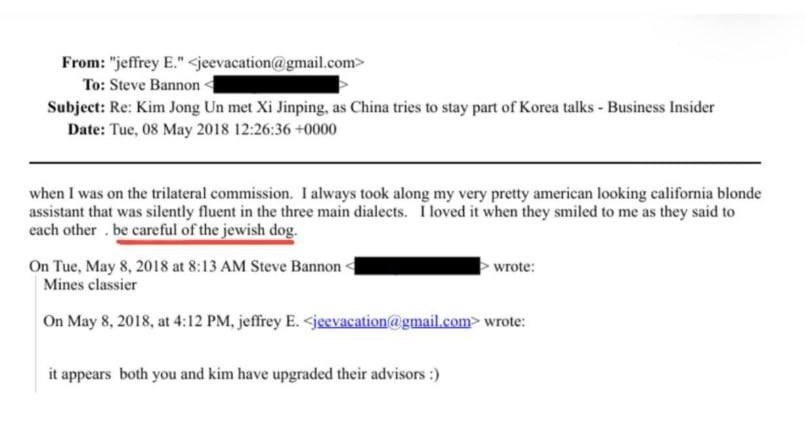
Purported Epstein–Bannon Email Surfaces With Antisemitic Slur and “Dialect” Boast

A screenshot circulating online—presented as part of the latest “Epstein files” leak—shows a May 2018 email chain allegedly between Jeffrey Epstein ([email protected]) and Steve Bannon. In the message, Epstein brags about bringing a “very pretty American-looking” assistant who was “silently fluent” in multiple East Asian dialects, then attributes to Chinese/Korean diplomats a warning that includes an antisemitic slur (“be careful of the Jewish dog”). Bannon’s visible reply reads “Mine’s classier,” followed by Epstein joking that both Bannon and Kim Jong Un have “upgraded their advisors.”

The screenshot cannot be authenticated on its own (no underlying file hash/chain-of-custody is shown), but if genuine it reinforces two recurring themes in Epstein-related correspondence: objectification of women and casual bigotry, while also highlighting his continued contact with high-profile political figures years after his 2008 conviction.

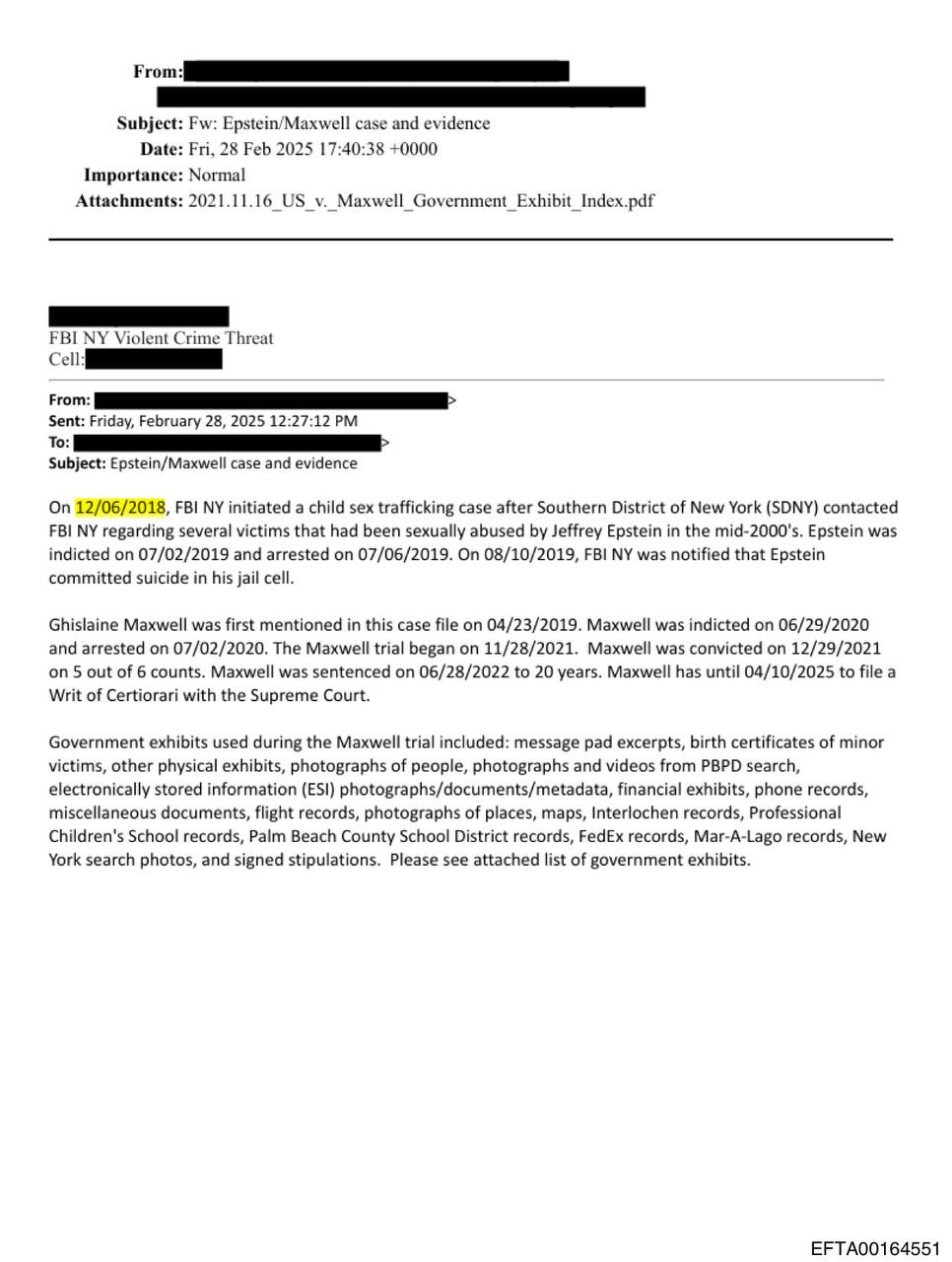
Viral “Acid Order” Claim Swirls in Fresh Epstein Files Drop

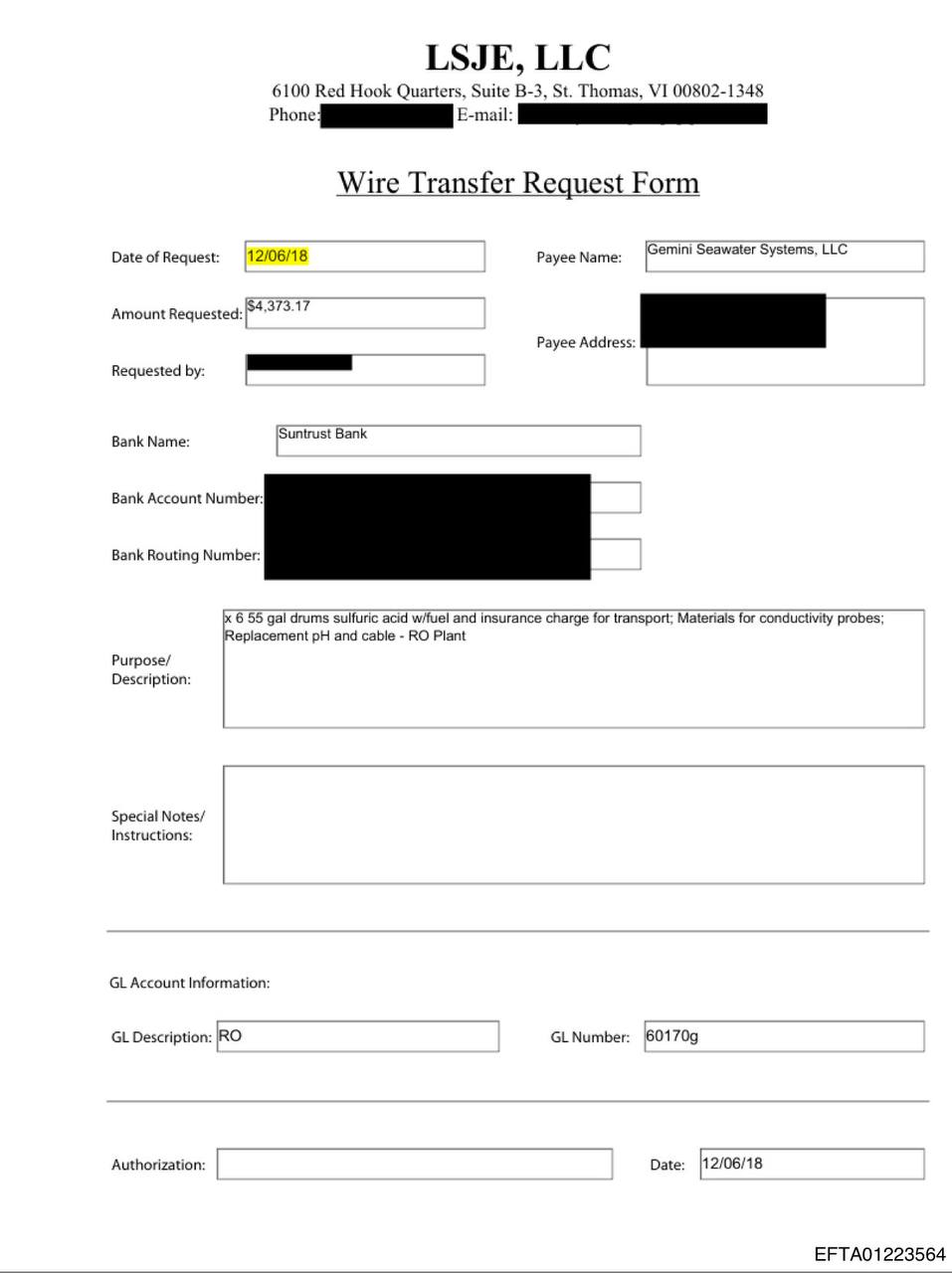
A new viral claim tied to the latest U.S. Justice Department (DOJ) release of Jeffrey Epstein records alleges that an Epstein-linked entity ordered six 55-gallon drums of sulfuric acid (330 gallons total) in December 2018—timed, according to posts circulating online, to the same day federal investigators began or renewed scrutiny.

The allegation is spreading via screenshots and reposts, with some commentators implying evidence-destruction motives. But the underlying document and its context remain unclear in the public discussion, and sulfuric acid also has routine industrial uses—especially for remote-site operations such as water treatment, battery/solar systems, or maintenance.

The claim is surfacing amid a much larger wave of disclosures: DOJ says it has published roughly 3.5 million responsive pages under the Epstein Files Transparency Act, alongside thousands of videos and images—reigniting scrutiny, speculation, and calls for clearer sourcing and verification of high-velocity “file” claims circulating on social media.


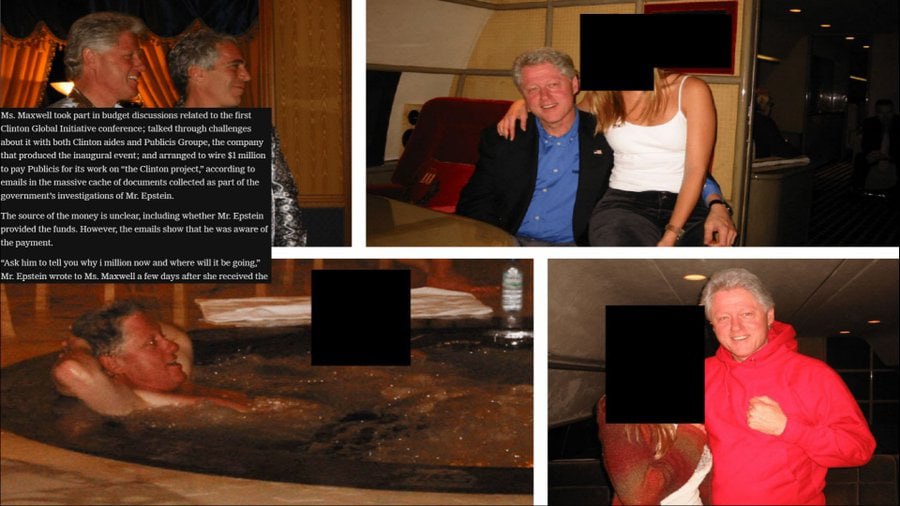
The “Clinton Project” Wire: New Emails Show Maxwell Lining Up $1M as Epstein Pressed for Details

Freshly released Justice Department material is fueling renewed scrutiny of the Clinton–Epstein overlap after reporting said Ghislaine Maxwell was involved in early planning for the first Clinton Global Initiative (CGI) and obtained wiring instructions to send $1 million to Publicis Groupe for work described in an email as “the Clinton project.”

Crucially, the reporting notes the source of the $1 million is unclear—including whether it came from Epstein—while the emails indicate Epstein was aware of the payment and pressed Maxwell on why the money was being sent “now” and where it would go.

The images circulating alongside the claim (showing Bill Clinton with Maxwell and an unidentified person whose face is obscured) reflect the broader dynamic of the latest disclosure wave: large-volume document dumps that add texture about relationships and logistics, without necessarily proving illegality by named public figures. The DOJ release itself has been described as millions of pages plus thousands of videos/images, reigniting political and media attention around who knew what—and when.

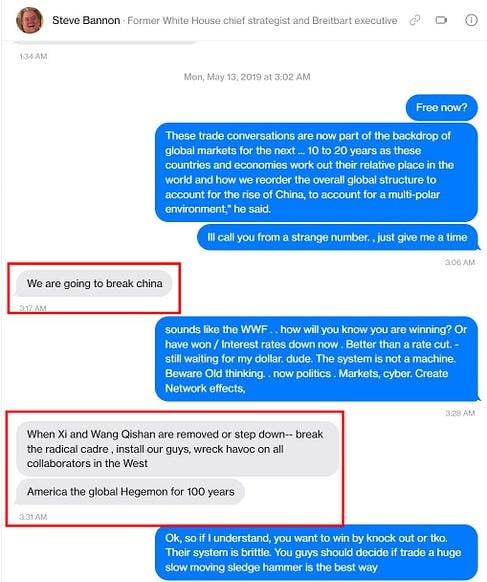
“Break China, Remove Xi”: Alleged Bannon–Epstein Strategy Email Goes Viral

A new set of posts circulating from the latest U.S. DOJ “Epstein files” dump claims an email exchange shows Steve Bannon outlining an explicit regime-change style agenda toward China—“break China… remove Xi…” and secure U.S. global hegemony for 100 years. The claim is being amplified largely through screenshots and social-media reposts, not through a published primary document with clear chain-of-custody, so the specific wording should be treated as unverified unless matched to the underlying DOJ release.

What is clearer from broader reporting around the dump is that the release contains communications linking Epstein to numerous political and power-broker figures, which has reignited scrutiny over how he used relationships to trade influence—even after his 2008 conviction.

Epstein’s “Backup Executor” Twist: Gates Adviser Named—Then Refuses the Role

Newly resurfaced estate documents show Jeffrey Epstein named Boris Nikolic—a former Bill Gates science adviser and biotech investor—as a successor (backup) executor in his Last Will & Testament, signed two days before Epstein’s death in 2019.

Nikolic said he was “shocked” to learn he’d been named and added: “I was not consulted in these matters and I have no intent to fulfill these duties, whatsoever.”

The will lists longtime Epstein associates Darren Indyke and Richard Kahn as executors, with Nikolic positioned as a fallback if needed—an odd detail that continues to fuel questions about Epstein’s last-minute legal planning and influence network.

Mexico Inflation Mix: Headline CPI Softer Than Expected, but Core Runs Hotter

Mexico’s January inflation data delivered a slightly cooler headline than markets expected, but a firmer core print, keeping the policy debate alive and making the read-through for the peso (MXN) more nuanced than a simple “cooling inflation” story.

  • CPI (YoY, Jan): 3.79% vs 3.82% expected, 3.69% prior
  • Headline inflation rose versus December but undershot forecasts.
  • CPI (MoM, Jan): 0.38% vs 0.41% expected, 0.28% prior
  • Monthly inflation accelerated but also came in a touch softer than expected.
  • Core inflation (YoY, Jan): 4.52% vs 4.49% expected, 4.33% prior
  • Core beat expectations and moved higher, a signal that underlying price pressures remain sticky.
  • Core CPI (MoM, Jan): 0.60% vs 0.59% expected, 0.41% prior
  • Another slight upside surprise, reinforcing the “core still warm” narrative.
  • PPI (MoM, Jan): 0.20% vs 0.50% prior
  • PPI (YoY, Jan): 1.50% vs 2.10% prior
  • Producer prices cooled, suggesting less pipeline pressure feeding into future consumer inflation.

MXN angle:

A softer headline can support expectations for eventual easing, but the hotter core argues for caution—often keeping rates and carry supportive for MXN, while also raising the risk that markets reprice policy “higher for longer” if core fails to cool.

Epstein’s “1953 Trust” Windfall: $100M, Diamonds, and a Property List — But the Payout Is Still Murky

A new round of DOJ-released Epstein estate documents is driving viral claims that Jeffrey Epstein left his longtime girlfriend Karyna Shuliak a sweeping package—$100 million plus major real estate and jewelry. Reporting based on the documents says Shuliak was named the primary beneficiary in Epstein’s last-minute estate planning, and Epstein referenced a 32.73-carat diamond ring along with 48 loose diamonds connected to a planned marriage.

On the property side, coverage says Epstein intended to leave Shuliak a large share of his marquee holdings, including his U.S. Virgin Islands private island property (commonly linked to Little Saint James), the Upper East Side Manhattan townhouse, Zorro Ranch in New Mexico, and residences tied to Palm Beach and Paris.

The key caveat: multiple reports stress it’s unclear how much, if any, of this was actually received, because the estate has been heavily shaped by victim compensation, creditor claims, taxes, and legal costs, with distributions dependent on what remains after liabilities.


More Others news

Japan

Japan Wage Pulse Cools: December Pay Growth Misses Forecast, Overtime Slips

Japan’s wage momentum showed a mixed but slightly softer profile in December, potentially easing near-term pressure on the yen (JPY) via reduced “wage-driven inflation” expectations.

  • Overall wage income of employees (Dec): +2.4% vs +3.0% expected, up from +1.7% prior
  • Wage growth accelerated versus the previous reading, but fell short of forecasts, suggesting pay gains are improving but not as quickly as markets anticipated.
  • Overtime pay (YoY, Dec): +0.90%, down from +1.20% prior
  • The slowdown in overtime can be read as a cooling at the margin in labor demand/intensity, which may temper the strongest wage-pressure narratives.

Why it matters for JPY:

The Bank of Japan’s confidence in sustained inflation is closely tied to durable wage gains. A miss versus consensus plus slower overtime can be interpreted as slightly less urgency on the policy-tightening path—often a mildly negative impulse for JPY, especially if global risk sentiment is stable.

What to watch next:

Markets will likely focus on follow-through in base pay and signals from spring wage negotiations (Shunto) to confirm whether the wage trend is broadening or merely stabilizing.

Japan’s Current Account Blows Past Forecast: Headline Surplus Jumps, Underlying Measure Softens

Japan posted a much larger-than-expected current account surplus in December, a traditionally JPY-supportive macro signal—though the adjusted (more “underlying”) measure came in softer, suggesting the trend is less explosive than the headline implies.

  • Current Account (n.s.a., Dec): ¥7.288T vs ¥1.060T expected, ¥3.674T prior
  • A massive upside surprise that highlights strong external income flows and/or seasonal factors that can surge at year-end.
  • Adjusted Current Account (Dec): ¥2.70T vs ¥2.95T expected, ¥3.14T prior
  • The adjusted figure missed expectations and fell from the prior month, hinting the underlying surplus may be narrowing even as the unadjusted headline spikes.

JPY angle:

The headline beat is usually a tailwind for JPY (bigger external surplus = stronger fundamental support). But the softer adjusted print can cap enthusiasm if markets judge the headline as seasonal/noisy rather than a clean improvement in the underlying balance.

Japan Bank Lending Holds Firm: January Credit Growth Stays Elevated, Matching Forecast

Japan’s bank lending growth remained strong in January, landing exactly in line with expectations and edging up from the prior month—an indication that credit conditions are still supportive for activity, even as markets watch the policy path and the yen’s rate sensitivity.

  • Bank Lending (YoY, Jan): +4.5% vs +4.5% expected, up from +4.3% prior
  • The steady, elevated pace suggests continued demand for funding and/or active credit supply, reinforcing a “still-expanding credit” backdrop.

JPY angle:

On its own, an in-line print is usually market-neutral for JPY. But persistently solid credit growth can support the view that Japan’s domestic cycle is holding up—potentially reducing downside macro risks for the yen, while the dominant driver remains rate differentials and BoJ signaling.

Japan Sentiment Slips Again: Economy Watchers Index Misses Forecast, Signals Fragile Domestic Demand

Japan’s Economy Watchers Current Index—a closely watched gauge of conditions seen by workers in consumer-facing industries—fell slightly in January and came in below expectations, reinforcing the message that domestic momentum remains fragile.

  • Economy Watchers Current Index (Jan): 47.6 vs 49.1 expected, 47.7 prior
  • The index stayed below the 50 line, which is commonly read as a sign of weak/contracting sentiment. The downside miss suggests front-line observers are seeing less improvement than markets anticipated.

JPY angle:

Soft domestic sentiment can be mildly negative for JPY via the growth channel, especially if it feeds doubts about the strength of consumption. That said, for the yen, the dominant drivers often remain global rates, risk sentiment, and BoJ guidance.

More Japan news

Forex

Yen Gains as Intervention Talk Swirls After Takaichi Victory; USD/JPY Drops Toward 156

The Japanese yen strengthened at the start of the week as intervention speculation picked up following Takaichi’s victory, adding a fresh layer of policy risk to the FX market.

The USD/JPY pair fell 0.4% to 156.37, after sliding more than 0.5% earlier in the session—an intraday move consistent with traders reducing exposure to a sudden policy response as the currency nears politically sensitive levels.

Yuan Edges Higher but Stays Near Mid-2023 Lows as PBOC Midpoint Support Continues

The Chinese yuan strengthened slightly in Asian trade, with USD/CNY down 0.1% to 6.92, but the pair remained near levels last seen in mid-2023, highlighting that the currency is still trading close to a multi-month weak zone despite recent stabilization.

The yuan’s recent firming has been underpinned by continued policy support from the People’s Bank of China (PBOC), which has repeatedly set aggressively strong daily fixings (midpoints)—a signal to markets that authorities remain intent on curbing excessive depreciation pressure.

Aussie Dollar Pops Back Above $0.70 as Markets Reprice More RBA Hikes After Hawkish Hold

The Australian dollar strengthened in early trading, with AUD/USD up 0.2%, pushing the currency back above the $0.70 level as investors priced in additional interest rate hikes from the Reserve Bank of Australia (RBA) this year.

The move follows the RBA’s 25 bp rate increase last week and a hawkish policy signal, with policymakers emphasizing the challenge of sticky inflation—a backdrop that keeps the rates channel supportive for the Aussie as long as markets believe tightening isn’t done.

Asia FX Mixed: SGD Steady, KRW Softens; INR Holds Above 90 After RBI’s Hawkish Hold

Asian currencies traded with a mixed tone in early week flows, with Singapore’s dollar steady, the Korean won weakening modestly, and the Indian rupee hovering above a key level after a central-bank signal that kept inflation risks front and center.

  • USD/SGD: Flat — the Singapore dollar held steady, suggesting a broadly balanced positioning at the open.
  • USD/KRW: +0.2% — the won softened slightly, pointing to mild USD strength versus Korea.
  • USD/INR: Up slightly, staying above 90 — the rupee remains on the back foot after the Reserve Bank of India last week kept rates unchanged but raised its inflation and growth forecasts, a combination that signals persistent price pressures and keeps policy expectations—and FX sensitivity—elevated.
More Forex news

Europe

Swiss Consumers Less Pessimistic: SECO Climate Improves to -30, Matches Forecast

Switzerland’s SECO Consumer Climate index improved in Q1 to -30, up from -37 previously, signaling a mild recovery in household sentiment—though confidence remains firmly in negative territory.

The print matched expectations (-30), which typically limits immediate market impact. Still, the move higher is consistent with a “less-bad” demand backdrop and is generally marginally supportive for CHF at the margin, especially if it aligns with firmer domestic spending signals.

Eurozone Mood Flip: Sentix Jumps Into Positive Territory, Crushing Forecasts

Eurozone investor sentiment surged in February, with the Sentix Investor Confidence index swinging decisively into expansionary territory and delivering a major upside surprise.

  • Sentix Investor Confidence (Feb): 4.2 vs -0.2 expected, -1.8 prior

The jump from negative readings to a solid positive print signals a sharp improvement in risk appetite and growth expectations among investors, at least at the survey level. If sustained, this kind of sentiment turn can feed into stronger equity/credit tone and a firmer EUR bias, especially if upcoming hard data (PMIs, industrial output, spending) confirms the shift rather than fading it as a one-off rebound.

France Bills Ease Slightly: BTF Auction Yields Dip Across 3M–12M

France’s latest short-term funding auctions showed a small decline in yields across the curve, suggesting marginally easier front-end pricing and steady demand for French bills.

  • 3-Month BTF: 2.004% vs 2.007% prior
  • 6-Month BTF: 2.031% vs 2.036% prior
  • 12-Month BTF: 2.038% vs 2.058% prior

The move lower is modest, but it reinforces a slightly softer tone in short-dated rates, typically consistent with easing expectations or improved risk sentiment in the front end.

More Europe news

Equities

Asia Opens the Week on a High: Japan Leads a Broad-Based Rally

Asian equities kicked off Monday in clear risk-on mode, with all major benchmarks posting gains and Japan’s Nikkei 225 decisively outperforming.

  • Nikkei 225: 56,627.75 (+4.38%) — the standout mover
  • Asia Dow: 5,628.86 (+2.39%)
  • Hang Seng: 27,022.93 (+1.74%)
  • Shanghai: 4,117.97 (+1.29%)
  • Sensex: 84,064.69 (+0.58%)
  • Singapore: 4,963.65 (+0.59%)

The tone at the start of the week is broadly constructive across the region, with leadership from Japan and solid follow-through in Greater China and Hong Kong.

Wall Street Futures Edge Higher to Start the Week: A Calm, Slightly Risk-On Monday Open

U.S. equity futures opened Monday with modest gains across the board, signaling a steady, mildly constructive tone at the start of the week.

  • Dow Futures (DJIA F): 50,275 (+70, +0.14%)
  • S&P 500 Futures (S&P F): 6,958.00 (+5.25, +0.08%)
  • Nasdaq Futures (NASDAQ F): 25,183.50 (+20.25, +0.08%)

The move is incremental rather than decisive—more “cautious optimism” than a full risk-on surge—suggesting markets are opening the week balanced and waiting for catalysts.

More Equities news

USA

NY Fed Survey Shows Cooling Inflation Fears: 1-Year Expectations Drop to 3.1%

U.S. consumers turned a bit less worried about near-term inflation in January, with the NY Fed 1-year consumer inflation expectations falling to 3.1% from 3.4% previously.

The downshift suggests inflation psychology at the one-year horizon is easing, which can help reduce pressure on short-term rate expectations and support a calmer pricing backdrop—though markets will still focus on whether this improvement is sustained and reflected in actual inflation prints.

Front-End Steadies: U.S. 3-Month Bill Holds at 3.60% While 6-Month Yield Ticks Lower

U.S. Treasury bill auctions sent a mixed-to-softer signal at the very front end, with 3-month funding costs unchanged while 6-month yields edged down, hinting at slightly easier pricing beyond the immediate quarter.

  • 3-Month Bill Auction: 3.600%, unchanged vs prior 3.600%
  • 6-Month Bill Auction: 3.500%, down from 3.525%

USD angle:

A marginal dip in 6-month yields can be read as a small easing in short-dated rate pressure, which may slightly reduce near-term support for the dollar at the margin—though broader USD direction still hinges on Fed expectations and risk sentiment.

More USA news

Commodities

Metals Shine, Oil Slips: Commodities Start the Week with a Clear Split

Commodity markets opened Monday with a sharp precious-metals bid while crude oil traded lower, setting a mixed tone for the start of the week.

  • Gold: 5,052.40 (+72.60, +1.46%) — firm upside momentum
  • Silver: 81.445 (+4.550, +5.92%) — the standout move, outperforming gold
  • Crude Oil: 62.89 (-0.66, -1.04%) — softer start, lagging the complex

The early pattern points to safe-haven/metal demand dominating the tape, while energy underperforms—often a sign the market is reassessing near-term growth or demand assumptions.

More Commodities news

Cryptocurrency

Crypto Starts the Week Soft: BTC and ETH Slip, XRP Bucks the Trend

Crypto markets opened Monday with a mild risk-off tone, led by declines in the majors, while XRP stood out as the rare gainer.

  • Bitcoin (BTC): 70,478 (-0.45%)
  • Ethereum (ETH): 2,073.56 (-1.11%)
  • XRP: 1.4304 (+0.16%) — lone bright spot on the board
  • Solana (SOL): 86.05 (-0.64%)
  • Dogecoin (DOGE): 0.095093 (-1.28%)
  • Cardano (ADA): 0.2694 (-0.22%)

Overall, the early-week setup shows broad-based softness with pockets of relative strength—XRP holding green while the rest of the complex leans lower.

More Cryptocurrency news