IFC Markets Live Quotes

Market news roundup: Friday, 9 January 2026

138 short market news items, grouped by 12 sections.

Iran

Karaj Videos Claim Protesters Disabled Government Surveillance Cameras on Jan 8

Social media footage shared with the caption “Karaj, Thursday 18 Dey (January 8, 2026)” alleges that protesters were disabling government surveillance cameras, framed by posters as part of actions responding to Prince Reza Pahlavi’s call on day 12 of the “Iran Freedom Revolution.” The videos and circumstances cannot be independently verified from the posts alone, but the claim—if accurate—would indicate a shift toward tactics aimed at reducing identification and arrests, and could prompt tighter security measures and heightened enforcement in affected areas.
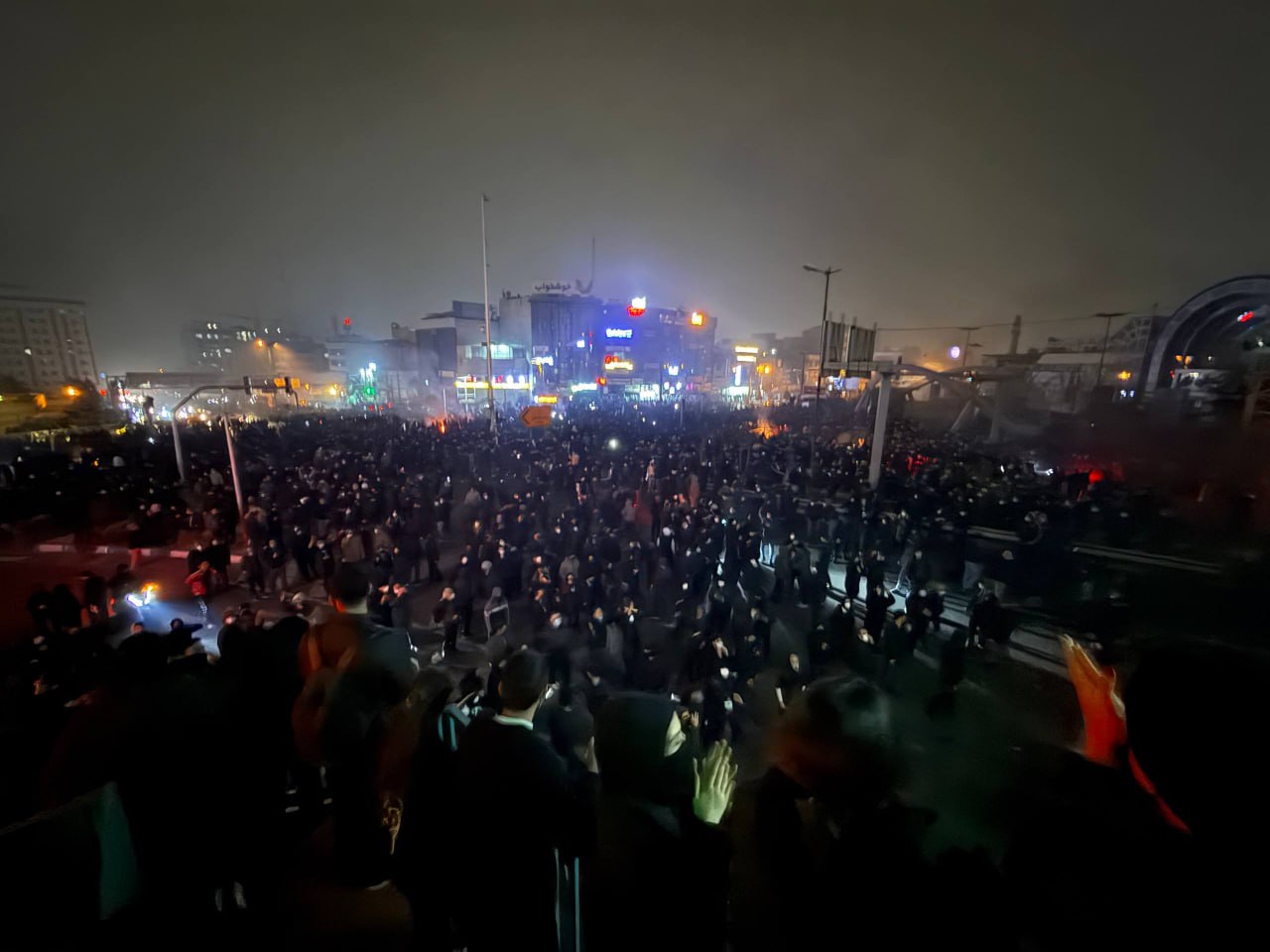
Qom (Ebtedaye Bonyad Area) Reportedly Sees Protest Activity on Day 12

A video circulating on social media and described as recorded in Qom, Ebtedaye Bonyad on Thursday, January 8, 2026 (18 Dey) claims protest activity in response to Prince Reza Pahlavi’s call, as activists frame events within day 12 of the “Iran Freedom Revolution.” While the footage cannot be independently verified from the post alone, the report is symbolically notable given Qom’s political-religious importance, adding to the widening stream of city- and neighborhood-tagged participation claims.


Tehran’s Chitgar (Shahrak-e Rah Ahan) Reportedly Sees Protest Activity on Day 12

A video circulating on social media and described as filmed in Tehran’s Shahrak-e Rah Ahan (Chitgar) on Thursday, January 8, 2026 (18 Dey) claims street-level protest activity in response to Prince Reza Pahlavi’s call, as activists frame developments within day 12 of the “Iran Freedom Revolution.” While the footage cannot be independently verified from the post alone, the neighborhood-specific tag adds to the broader pattern of Tehran-area clips indicating localized mobilization across multiple districts.


Ekbatān (Nafisi Street) in Tehran Reportedly Sees Protest Activity on Day 12

A video circulating on social media and described as filmed on Nafisi Street in Ekbatān Township, Tehran on Thursday, January 8, 2026 (18 Dey) claims street-level protest activity in response to Prince Reza Pahlavi’s call, as activists frame developments within day 12 of the “Iran Freedom Revolution.” While the footage cannot be independently verified from the post alone, the report adds to a widening set of neighborhood-tagged clips suggesting localized mobilization across multiple districts of the capital.


Tehran’s Bahar-e Shiraz Street Toward Haft Tir and Sohrevardi Reportedly Sees Protest Activity on Day 12

A video circulating on social media and described as filmed in Tehran—Bahar-e Shiraz Street toward Haft Tir and Sohrevardi on Thursday, January 8, 2026 (18 Dey) claims street-level protest activity in response to Prince Reza Pahlavi’s call, as activists frame developments within day 12 of the “Iran Freedom Revolution.” While the footage cannot be independently verified from the post alone, the precise route tag suggests continued neighborhood-level mobilization along central corridors in the capital despite reports of heightened security deployments in other districts.


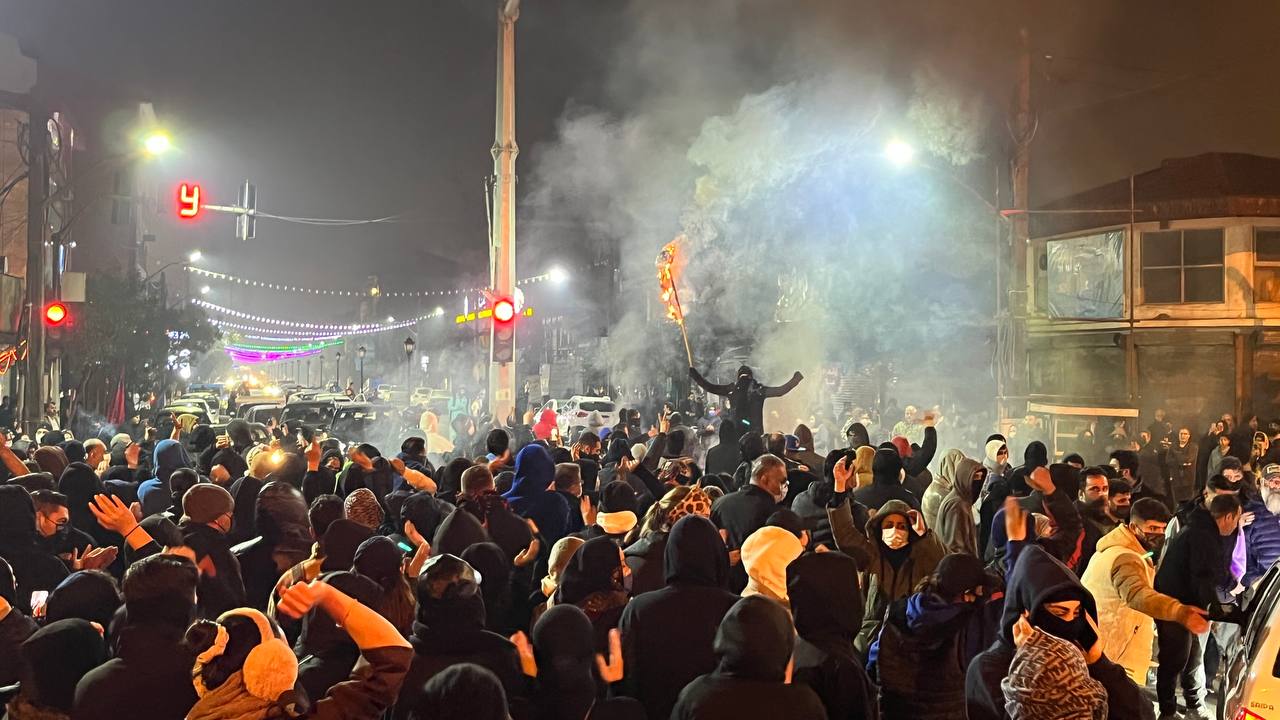
Sari Reportedly Sees Protest Activity on Day 12 in Response to Prince Reza Pahlavi’s Call

Videos circulating on social media and described as recorded in Sari on Thursday, January 8, 2026 (18 Dey) claim protest activity in response to Prince Reza Pahlavi’s call, as activists frame developments within day 12 of the “Iran Freedom Revolution.” While the footage cannot be independently verified from the posts alone, Sari’s inclusion adds to the expanding set of city-tagged clips from Mazandaran, reinforcing signs of continued mobilization across Iran’s northern provinces along the Caspian corridor.


Aligudarz Reportedly Sees Protest Activity on Day 12 in Response to Prince Reza Pahlavi’s Call

A video circulating on social media and described as recorded in Aligudarz on Thursday, January 8, 2026 (18 Dey) claims protest activity in response to Prince Reza Pahlavi’s call, as activists frame developments within day 12 of the “Iran Freedom Revolution.” While the footage cannot be independently verified from the post alone, the report is consistent with earlier same-day claims of shopkeeper strikes in Aligudarz, suggesting that economic shutdowns and street presence may be converging in parts of Lorestan.


Isfahan’s Sheikh Seddough Intersection Reportedly Sees Protest Activity on Day 12

Videos circulating on social media and described as recorded at Sheikh Seddough Intersection (Chaharrah Sheikh Seddough), Isfahan on Thursday, January 8, 2026 (18 Dey) claim street-level protest activity in response to Prince Reza Pahlavi’s call, as activists frame events within day 12 of the “Iran Freedom Revolution.” While the footage cannot be independently verified from the posts alone, the specific junction tag underscores neighborhood-level organization in a major provincial hub already linked to strike and rally reports.


Sardar Azmoun Signals Solidarity With Protesters, Says He Will “Stay With the People”

Iran national team striker Sardar Azmoun posted on Instagram during the 12th day of Iran’s nationwide unrest—coinciding with the first day of Prince Reza Pahlavi’s call—writing: “As an athlete, I will always stay alongside the people of my country. I hope my people’s hearts are well.” He also referenced the broader grievance in an earlier story, saying it is not fair that “our patient and dear people” have been pushed so far from their aspirations—an unusually direct, public show of empathy from a high-profile national athlete amid heightened political risk.

Iranshahr (Sistan and Baluchestan) Reportedly Sees Protest Activity on Day 12

A video circulating on social media and described as recorded in Iranshahr, Sistan and Baluchestan on Thursday, January 8, 2026 (18 Dey) claims protest activity in response to Prince Reza Pahlavi’s call, as activists frame developments within day 12 of the “Iran Freedom Revolution.” While the footage cannot be independently verified from the post alone, the report is notable because it extends the map of city-tagged participation claims into Iran’s southeast, underscoring the geographically dispersed nature of the day’s mobilization narrative.


Shahin Shahr Reportedly Sees Protest Activity on Day 12 in Response to Prince Reza Pahlavi’s Call

A video circulating on social media and described as recorded in Shahin Shahr on Thursday, January 8, 2026 (18 Dey) claims protest activity in response to Prince Reza Pahlavi’s call, as activists frame events within day 12 of the “Iran Freedom Revolution.” While the footage cannot be independently verified from the post alone, Shahin Shahr’s appearance is notable given its proximity to Isfahan—suggesting spillover or parallel mobilization across the broader Isfahan urban belt alongside reports of strikes and gatherings in the province.


Shahr-e Rey Video Claims Protest Activity on Jan 8

A video circulating on social media and described as recorded in Shahr-e Rey on Thursday, January 8, 2026 (18 Dey) claims protest activity in response to Prince Reza Pahlavi’s call, as activists frame events within day 12 of the “Iran Freedom Revolution.” While the footage cannot be independently verified from the post alone, the timestamp reference suggests mobilization beginning early in the day in Tehran’s southern corridor, aligning with broader reports of dispersed, neighborhood-level actions across the capital.


Amol Videos Claim Protest Activity on Jan 8 in Response to Prince Reza Pahlavi’s Call

Videos circulating on social media and described as recorded in Amol on Thursday, January 8, 2026 (18 Dey) claim protest activity in response to Prince Reza Pahlavi’s call, as activists frame developments within day 12 of the “Iran Freedom Revolution.” While the footage cannot be independently verified from the posts alone, Amol’s appearance adds to the widening city-by-city stream of participation claims across northern Iran and the broader Caspian corridor.


Gonbad-e Kavus Videos Claim Protest Activity on Jan 8 in Response to Prince Reza Pahlavi’s Call

Videos circulating on social media and described as recorded in Gonbad-e Kavus on Thursday, January 8, 2026 (18 Dey) claim protest activity in response to Prince Reza Pahlavi’s call, as activists frame developments within day 12 of the “Iran Freedom Revolution.” While the footage cannot be independently verified from the posts alone, the report extends the day’s city-tagged participation claims further across Golestan and Iran’s northeast Caspian belt.

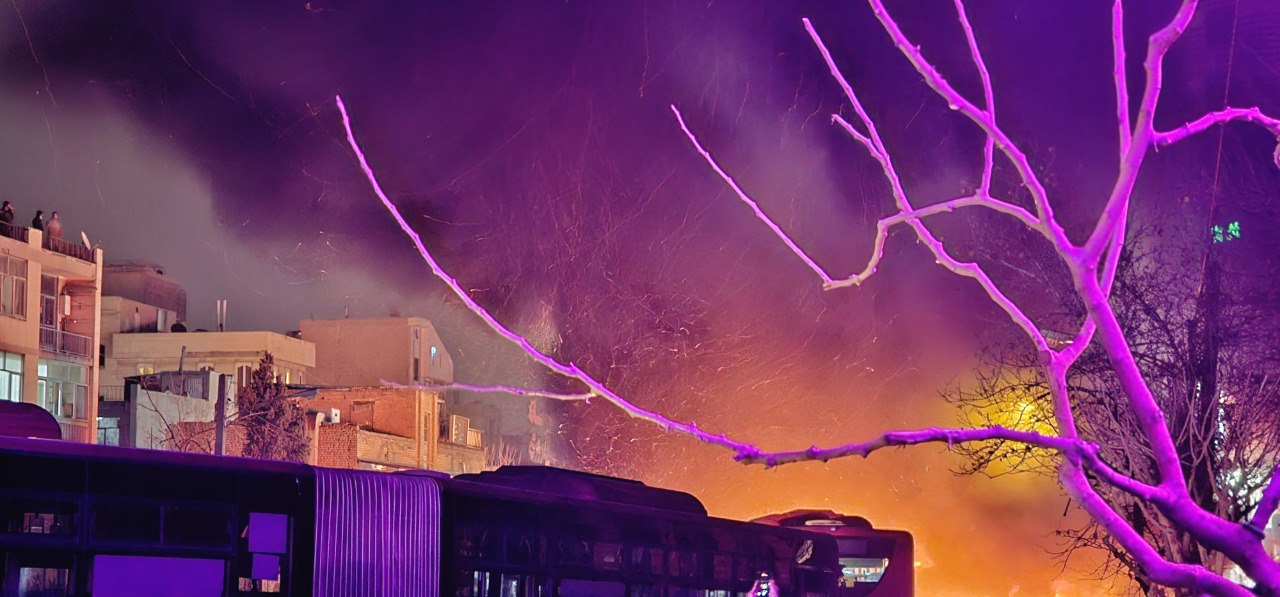
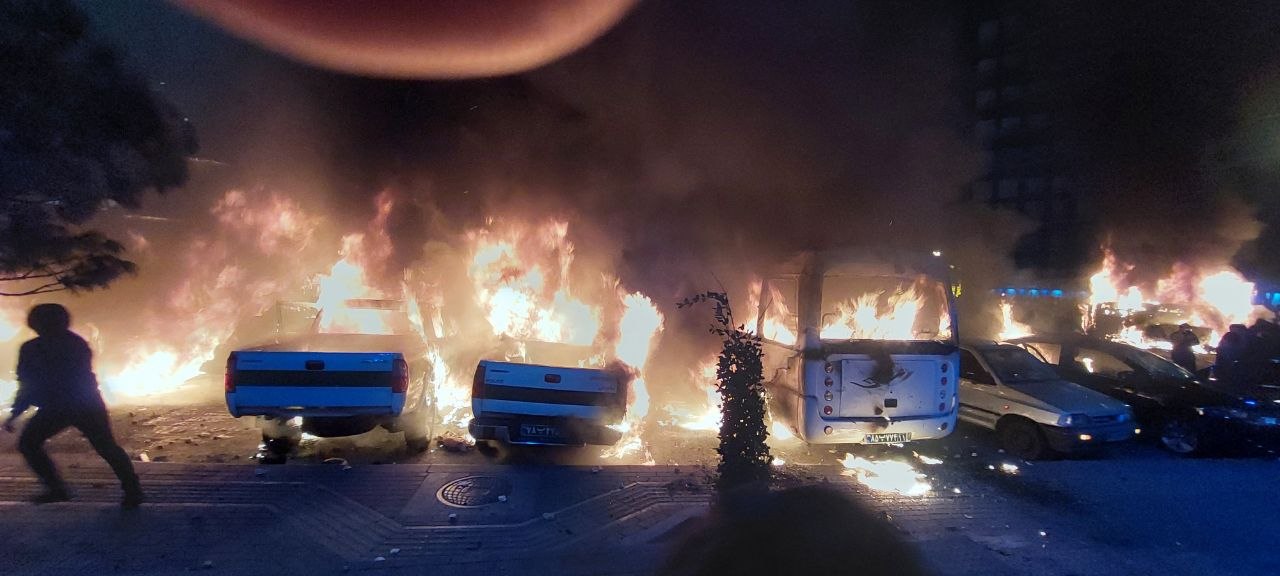
Tehran “Sarsabz” Videos Claim Protesters Set a Security Forces Bus on Fire

Social media footage shared with the caption “Sarsabz, Tehran — Thursday, January 8, 2026 (18 Dey)” alleges that protesters set a bus linked to Iran’s security forces on fire, presented as part of actions responding to Prince Reza Pahlavi’s call. The video and circumstances cannot be independently verified from the posts alone, but if accurate it would indicate a significant escalation in confrontational street activity and could increase the likelihood of harsher security measures and higher arrest risk in affected areas.


Disturbing Videos Claim Fatalities in Fardis, Alborz on Jan 8

A highly distressing video circulated on social media with the caption “Fardis, Alborz — Thursday, January 8, 2026 (18 Dey),” claiming to show fatalities linked to the day’s protest activity in response to Prince Reza Pahlavi’s call. The footage and circumstances cannot be independently verified from the posts alone; if confirmed, it would indicate a serious escalation and intensify concerns over lethal enforcement in the Karaj–Fardis corridor.


Quchan Reportedly Sees Protest Activity on Day 12 in Response to Prince Reza Pahlavi’s Call

A video circulating on social mediaof the “Iran Freedom Revolution.” While the footage cannot be independently verified from the post alone, the report contributes to the growing city-by-city stream of participation claims, expanding visibility of mobilization into northeastern Iran.


Dargaz (Razavi Khorasan) Videos Claim Protest Activity on Jan 8 in Response to Prince Reza Pahlavi’s Call

Videos circulating on social media and described as recorded in Dargaz, Razavi Khorasan on Thursday, January 8, 2026 (18 Dey) claim protest activity in response to Prince Reza Pahlavi’s call, as activists frame developments within day 12 of the “Iran Freedom Revolution.” While the footage cannot be independently verified from the posts alone, the location tag is notable given the growing number of city-by-city clips emerging from Iran’s northeast, suggesting a wider geographic footprint beyond major urban centers.


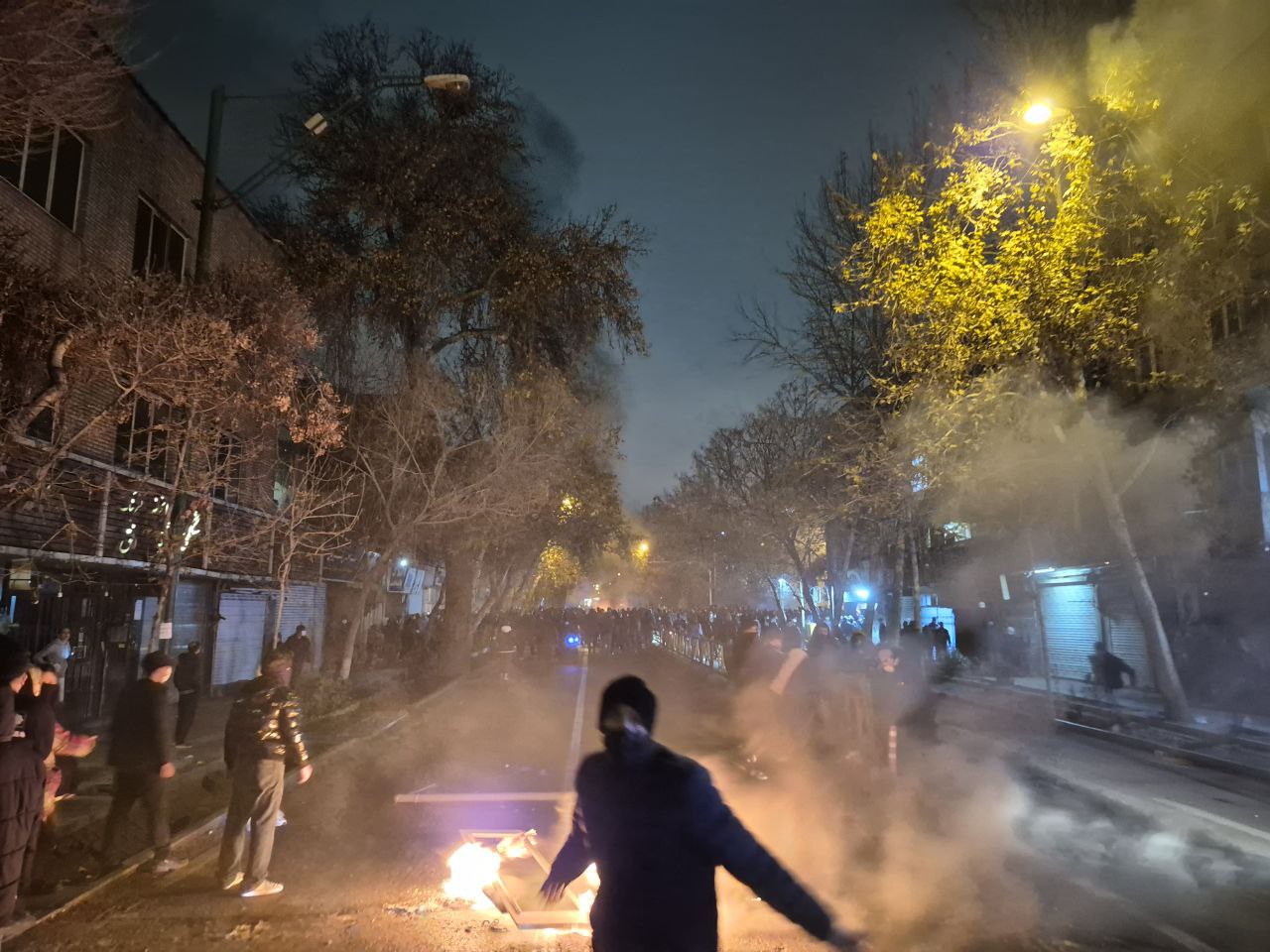
Karimkhan Bridge Area in Tehran Reportedly Sees Protest Activity on Day 12

A video circulating on social media and described as filmed in Tehran—under the Karimkhan Zand overpass near Iranshahr Street on Thursday, January 8, 2026 (18 Dey) claims street-level protest activity in response to Prince Reza Pahlavi’s call, as activists frame developments within day 12 of the “Iran Freedom Revolution.” While the footage cannot be independently verified from the post alone, the specific central-city location tag suggests continued mobilization around high-visibility corridors in Tehran despite reports of heightened security deployments elsewhere.


Ramsar Videos Claim Protest Activity on Jan 8 in Response to Prince Reza Pahlavi’s Call

Videos circulating on social media and described as recorded in Ramsar on Thursday, January 8, 2026 (18 Dey) claim protest activity in response to Prince Reza Pahlavi’s call, as activists frame events within day 12 of the “Iran Freedom Revolution.” While the footage cannot be independently verified from the posts alone, Ramsar’s inclusion adds to the growing set of city-tagged clips from Iran’s northern provinces, reinforcing signs of continued mobilization along the Caspian corridor.


Dezful Reportedly Sees Protest Activity on Day 12 in Response to Prince Reza Pahlavi’s Call

A post circulating on social media with the caption “Dezful — 18 Dey (January 8, 2026)” claims protest activity in Dezful in response to Prince Reza Pahlavi’s call, as activists frame developments within day 12 of the “Iran Freedom Revolution.” While the material cannot be independently verified from the post alone, the report is notable as it extends the day’s city-by-city participation claims further into Khuzestan, a key industrial and energy-producing province.

Pareh Sar, Gilan Reportedly Sees Nighttime Street Presence on Jan 8

Videos received and shared on social media claim that a crowd of protesters in Pareh Sar, Gilan province were present in the streets on the evening of Thursday, January 8, 2026 (18 Dey), framed as a response to Prince Reza Pahlavi’s call as activists mark day 12 of the “Iran Freedom Revolution.” While the footage cannot be independently verified from the posts alone, the report adds to a growing set of northern-province nighttime mobilization claims, suggesting continued activity beyond daytime strikes and rallies.

Kermanshah Videos Claim Protest Activity on Jan 8 in Response to Prince Reza Pahlavi’s Call

Videos circulating on social media and described as recorded in Kermanshah on Thursday, January 8, 2026 (18 Dey) claim protest activity in response to Prince Reza Pahlavi’s call, as activists frame developments within day 12 of the “Iran Freedom Revolution.” While the footage cannot be independently verified from the posts alone, Kermanshah’s inclusion is notable given its strategic western location, adding to the widening city-by-city map of participation claims across multiple regions.


Nowshahr Videos Claim Protest Activity on Jan 8 in Response to Prince Reza Pahlavi’s Call

A video circulating on social media and described as recorded in Nowshahr on Thursday, January 8, 2026 (18 Dey) claims protest activity in response to Prince Reza Pahlavi’s call, as activists frame events within day 12 of the “Iran Freedom Revolution.” While the footage cannot be independently verified from the post alone, Nowshahr’s inclusion adds to the growing set of city-tagged clips from Mazandaran and the broader Caspian corridor, suggesting continued mobilization across northern coastal areas.


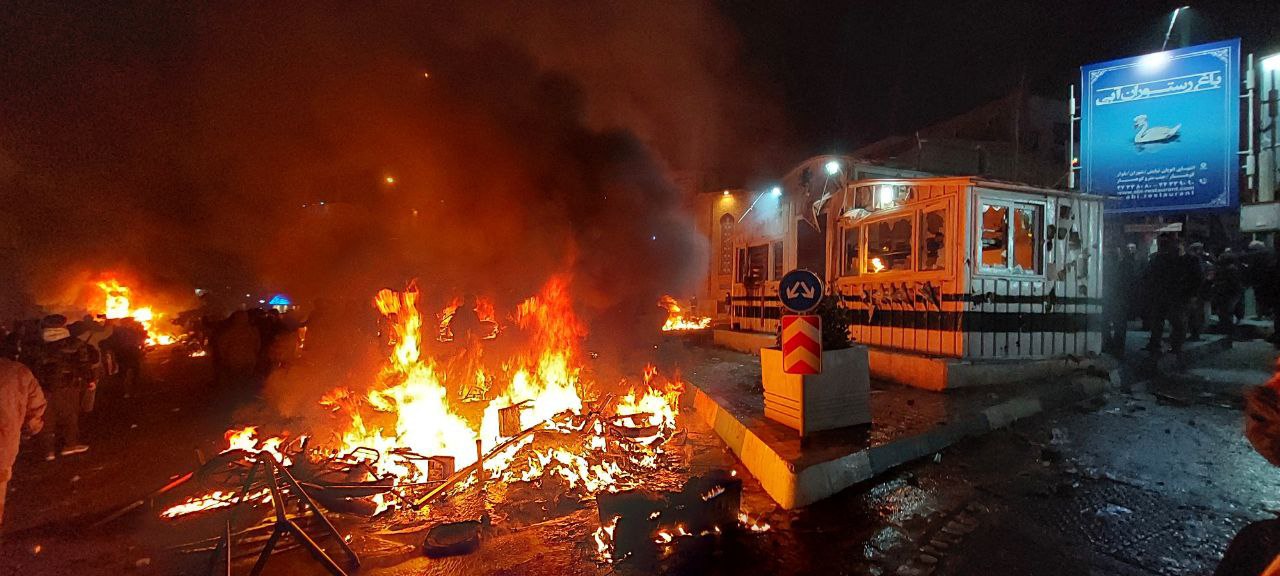
Saadat Abad Videos Claim Fires at Kaj Square, Targeting Police Assets on Jan 8

Images and clips circulating on social media, described as filmed at Kaj Square in Saadat Abad, Tehran on Thursday, January 8, 2026 (18 Dey), allege that protesters set fire to what posters describe as police-related equipment and facilities (including a police motorbike and a police booth/container) in actions framed as a response to Prince Reza Pahlavi’s call. The footage and details cannot be independently verified from the posts alone, but if accurate, it would signal a sharp escalation in confrontational street activity and likely increase the risk of intensified security deployments and arrests in the area.


Bushehr Videos Claim Protest Activity on Jan 8 in Response to Prince Reza Pahlavi’s Call

Videos circulating on social media and described as recorded in Bushehr on Thursday, January 8, 2026 (18 Dey) claim protest activity in response to Prince Reza Pahlavi’s call, as activists frame developments within day 12 of the “Iran Freedom Revolution.” While the footage cannot be independently verified from the posts alone, Bushehr’s inclusion is notable given its strategic southern coastal location and energy infrastructure significance, adding to the widening city-by-city map of participation claims.


Bandar-e Anzali Reportedly Sees Protest Activity on Day 12 in Response to Prince Reza Pahlavi’s Call

Images circulating on social media, described as taken in Bandar-e Anzali on Thursday, January 8, 2026 (18 Dey), claim to show protest activity in response to Prince Reza Pahlavi’s call, as activists frame developments within the 12th day of the “Iran Freedom Revolution.” While the material cannot be independently verified from the images alone, Bandar-e Anzali’s inclusion reinforces the pattern of northern coastal city participation claims across Gilan and the broader Caspian corridor.

Tabriz Videos Claim Protest Activity on Jan 8 in Response to Prince Reza Pahlavi’s Call

A video circulating on social mediaof the “Iran Freedom Revolution.” While the footage cannot be independently verified from the post alone, repeated Tabriz-tagged clips reinforce the pattern of participation claims emerging from major regional centers beyond Tehran.


Videos Claim New Angle Shows Damage to Isfahan State Broadcaster Building Amid Jan 8 Protests

Social media footage circulating from the January 8, 2026 (18 Dey) protests in Isfahan appears to show—จาก a new camera angle—the pulling down and burning of the entrance signage and part of the local IRIB (state broadcaster) building. The material cannot be independently verified from the posts alone, but if authentic it would underscore a sharper escalation in property-targeted unrest in a major provincial hub, with accounts framing the scenes as part of actions responding to Prince Reza Pahlavi’s call.


Azeri-Language Chant in Ardabil Targets Khamenei, Video Claims

A video circulating on social media and described as recorded in Ardabil on Thursday, January 8, 2026 (18 Dey) shows protesters chanting in Azerbaijani Turkish: “Azərbaycan oyaqdı, Seyyed Ali bi-şərəfdi!” (“Azerbaijan is awake; Seyyed Ali is dishonorable”), framed by posters as part of actions responding to Prince Reza Pahlavi’s call on day 12 of the “Iran Freedom Revolution.” The footage cannot be independently verified from the post alone, but the chant highlights the prominence of Turkic-language protest messaging and direct political targeting in the northwest.


Daylam (Bushehr Province) Videos Claim Protest Activity on Jan 8 in Response to Prince Reza Pahlavi’s Call

Videos circulating on social media and described as recorded in Daylam, Bushehr province on Thursday, January 8, 2026 (18 Dey) claim protest activity in response to Prince Reza Pahlavi’s call, as activists frame developments within day 12 of the “Iran Freedom Revolution.” While the footage cannot be independently verified from the posts alone, the report adds to the widening city-by-city map of participation claims extending along Iran’s southern coast.


Abadeh Tashk (Bakhtegan County, Fars) Videos Claim Protest Activity on Day 12

Videos circulating on social media and described as recorded in Abadeh Tashk, in Bakhtegan County (Fars province) on Thursday, January 8, 2026 (18 Dey) claim protest activity in response to Prince Reza Pahlavi’s call, as activists frame events within day 12 of the “Iran Freedom Revolution.” While the footage cannot be independently verified from the posts alone, the report is notable because it points to mobilization in a smaller city—reinforcing concerns that unrest is spreading beyond major provincial capitals into less-covered districts.


Varamin Videos Claim Protest Activity on Jan 8 in Response to Prince Reza Pahlavi’s Call

A video circulating on social media and described as recorded in Varamin on Thursday, January 8, 2026 (18 Dey) claims protest activity in response to Prince Reza Pahlavi’s call, as activists frame developments within day 12 of the “Iran Freedom Revolution.” While the footage cannot be independently verified from the post alone, Varamin’s inclusion is notable as it points to mobilization in Tehran’s broader southern and southeastern periphery, reinforcing the pattern of dispersed, locality-tagged actions around the capital.


Qal’eh Hasan Khan (Shahr-e Qods) Videos Claim Protest Activity on Day 12

A video circulating on social media and described as recorded in Qal’eh Hasan Khan (Shahr-e Qods), Tehran province on Thursday, January 8, 2026 (18 Dey) claims protest activity in response to Prince Reza Pahlavi’s call, as activists frame developments within day 12 of the “Iran Freedom Revolution.” While the footage cannot be independently verified from the post alone, the location tag is notable as it points to mobilization in the western periphery of Tehran—adding to the broader pattern of locality-tagged actions reported across the capital and surrounding towns.


Kashan Videos Claim Protest Activity on Jan 8 in Response to Prince Reza Pahlavi’s Call

Videos circulating on social media and described as recorded in Kashan on Thursday, January 8, 2026 (18 Dey) claim protest activity in response to Prince Reza Pahlavi’s call, as activists frame developments within day 12 of the “Iran Freedom Revolution.” While the footage cannot be independently verified from the posts alone, the repeat appearance of Kashan in day-12 clips reinforces the pattern of city-by-city participation claims across central Iran.


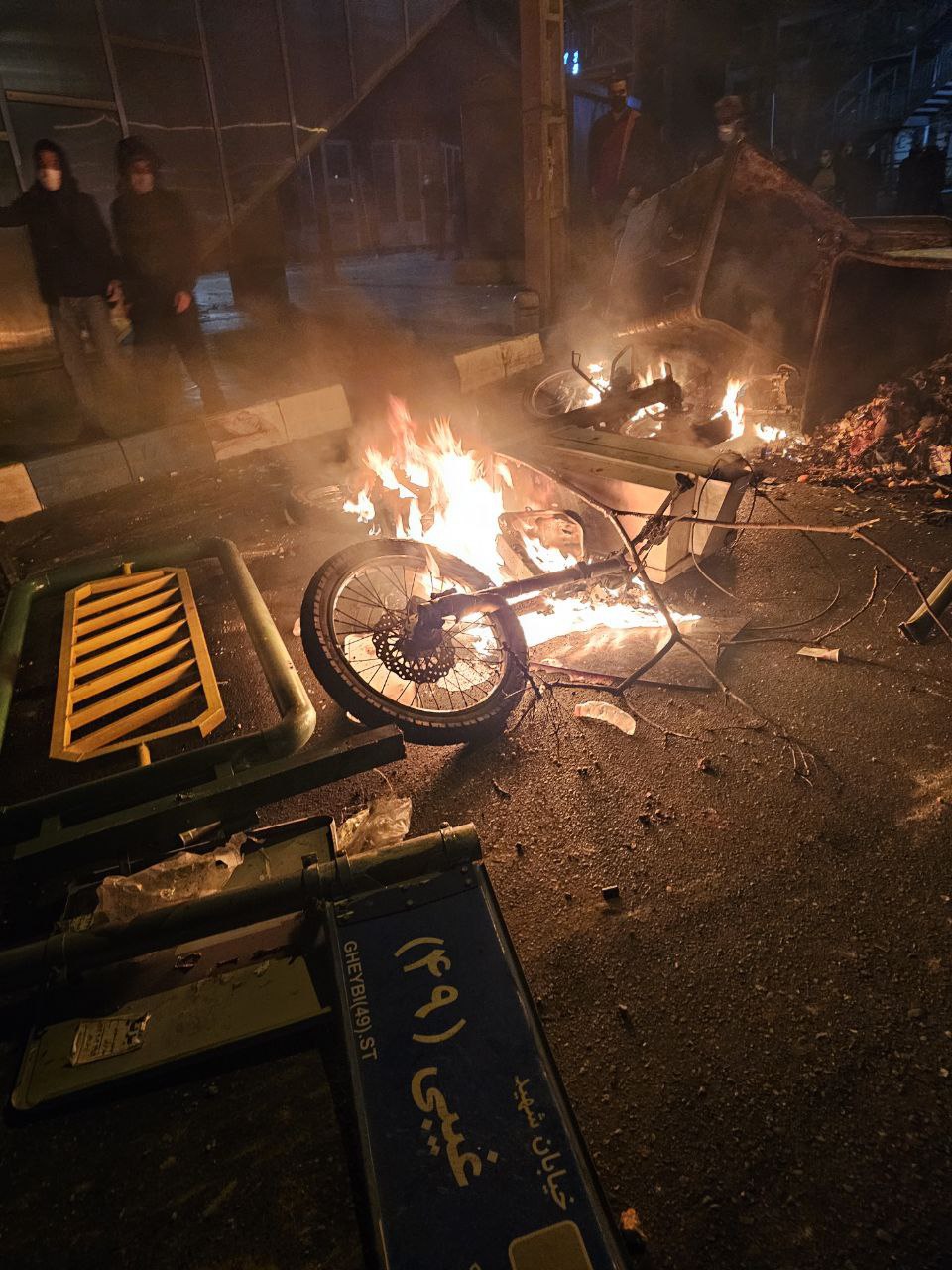
Takahstan (Qazvin) Videos Claim Protesters Set Security Motorbikes on Fire on Jan 8

Images circulating on social media and described as taken in Takahstan, Qazvin province on Thursday, January 8, 2026 (18 Dey) allege that protesters set fire to motorbikes linked to security forces, framed by posters as part of actions responding to Prince Reza Pahlavi’s call on day 12 of the “Iran Freedom Revolution.” The footage and incident details cannot be independently verified from the posts alone, but if accurate it would indicate a further escalation in property-targeted confrontations and could increase the risk of intensified security deployments and arrests in the area.


Kashmar Videos Claim Protest Activity on Day 12 in Response to Prince Reza Pahlavi’s Call

A video circulating on social media and described as recorded in Kashmar, Razavi Khorasan province on Thursday, January 8, 2026 (18 Dey) claims protest activity in response to Prince Reza Pahlavi’s call, as activists frame developments within day 12 of the “Iran Freedom Revolution.” The footage cannot be independently verified from the post alone, but the city tag adds to the growing stream of northeast Iran clips suggesting mobilization beyond major urban centers.


Nazarabad (Alborz) Videos Claim Protest Activity on Day 12 in Response to Prince Reza Pahlavi’s Call

Videos circulating on social media and described as recorded in Nazarabad, Alborz province on Thursday, January 8, 2026 (18 Dey) claim protest activity in response to Prince Reza Pahlavi’s call, as activists frame developments within day 12 of the “Iran Freedom Revolution.” While the footage cannot be independently verified from the posts alone, Nazarabad’s inclusion reinforces the pattern of continued mobilization claims across the broader Alborz corridor, alongside other reports from Karaj and Fardis.


Protesters Reportedly Took to the Streets in Zahedan, Konarak, and Mashhad on Jan 9

Reports say that on Friday, January 9, 2026 (19 Dey)—coinciding with the 13th day of Iranians’ national uprising against the Islamic Republic—demonstrators took to the streets in multiple cities, including Zahedan, Konarak, and Mashhad. While the scale and operational details of the gatherings remain unclear from these reports alone, continued multi-city mobilization—particularly spanning both peripheral and major urban centers—would signal sustained protest momentum and could raise the likelihood of heightened security deployments, localized internet restrictions, and a sharper short-term risk premium across Iran-linked assets and regional sentiment.

Hal Vash: Security Forces Opened Direct Fire Near Zahedan’s Makki Mosque, Injuring Protesters

Hal Vash reported that around midday on Friday, January 9, 2026 (19 Dey)—as protests by بلوچ citizens in Zahedan began after Friday prayers—military and security forces positioned around the Makki Mosque opened direct fire on demonstrators, leaving a number of protesters injured. The precise number of casualties and the full circumstances remain unclear from the reporting available so far, but if confirmed, the use of live fire around a major religious site would mark a significant escalation and could raise the probability of intensified security deployments, arrests, and tighter information controls in the area.

Flights From Istanbul and Dubai to Iran Cancelled as Protests Enter Day 13

Several flights from Istanbul and Dubai to Iranian cities were cancelled on Friday, January 9, 2026 (19 Dey), coinciding with the 13th day of protests in Iran. Flight-tracking information published by airports and airlines indicated widespread disruptions, including multiple Turkish Airlines cancellations to Tehran, Tabriz, and Mashhad, while Dubai Airports’ website showed a significant number of Flydubai services to Iranian cities being called off. Beyond the immediate travel disruption, the cancellations underscore rising operational and security uncertainty around Iran’s connectivity, increasing risks for business travel, cargo planning, and near-term sentiment toward Iran-linked economic activity.

Prince Reza Pahlavi Calls on Doubters to Join Friday Night Protests After Large Thursday Turnout

Prince Reza Pahlavi, thanking people for what he described as broad participation in Thursday night’s nationwide protests (January 8, 2026), urged those who had remained hesitant to join other Iranians on Friday night (January 9) as the national uprising continues. The renewed call appears aimed at sustaining momentum and expanding participation into a second consecutive evening, a dynamic that—if it materializes at scale—could increase the likelihood of a heavier security posture and tighter controls in key urban areas.

Khamenei Vows No Retreat Against “Saboteurs” as Iran’s Internet Shutdown Continues After Mass Protests

Ayatollah Ali Khamenei said on Friday, January 9, 2026 (19 Dey) that the Islamic Republic would not back down against those he described as “destructive” or “saboteurs,” speaking as authorities maintained sweeping internet restrictions amid ongoing nationwide unrest. The remarks followed reports of large Thursday-night turnout after calls for sustained street mobilization led by Prince Reza Pahlavi, underscoring the regime’s intent to frame the protests as violent and justify a tougher security response at a moment when the communications blackout is limiting independent verification and real-time reporting from inside the country.

Reports: Qom Residents Took to the Streets Friday Night as Iran’s Uprising Entered Day 13

Reports received from inside Iran say that on Friday evening, January 9, 2026 (19 Dey)—the 13th day of the national uprising—protesters in Qom came out into the streets. The scale and on-the-ground details cannot be independently verified from these reports alone, but any sustained street mobilization in Qom—a politically and religiously symbolic center—would carry heightened signaling value and could prompt a firmer security posture and tighter local controls.

Gorgan: Reports Say Protesters in Naharkhoran Chanted “Death to the Dictator” as Uprising Entered Day 13

Videos and reports circulating online claim that on Friday, January 9, 2026 (19 Dey)—the 13th day of Iran’s nationwide uprising—protesters in Gorgan (Golestan province), including in the Naharkhoran area, took to the streets and chanted “Death to the Dictator.” The footage and incident specifics cannot be independently verified from the posts alone, but if accurate it would underscore continued night-time mobilization beyond major hubs, reinforcing the picture of geographically broad dissent at a time when authorities have also tightened information controls and security posture in response to the unrest.

Reports: Yazd Residents Took to the Streets Friday Night as Iran’s Uprising Entered Day 13

Reports from inside Iran say that residents of Yazd took to the streets for nighttime protests on Friday, January 9, 2026 (19 Dey), as the national uprising entered its 13th day. Independent verification remains difficult—particularly amid broad internet disruptions—but the claim follows widely circulated footage and reporting of large-scale street mobilization in Yazd the previous night, underscoring continued momentum into a second consecutive evening and raising the likelihood of a heavier local security posture and tighter information controls.

Tehran: Zafaraniyeh Video Shared by “Naser Khoshnevis” Claims Street Protests Continued Despite Internet Shutdown

A Twitter/X user identified as Naser Khoshnevis published a video said to be filmed in Tehran’s Zafaraniyeh neighborhood on the night of Friday, January 9, 2026 (19 Dey 1404), claiming that protesters returned to the streets for a second consecutive night of nationwide demonstrations despite widespread internet outages and official warnings. Accounts attributed to users with Starlink access also claimed the crowd presence was broad, suggesting that satellite connectivity may be enabling limited real-time transmission where domestic networks remain constrained; however, the footage and the scale of turnout cannot be independently verified from the posts alone.


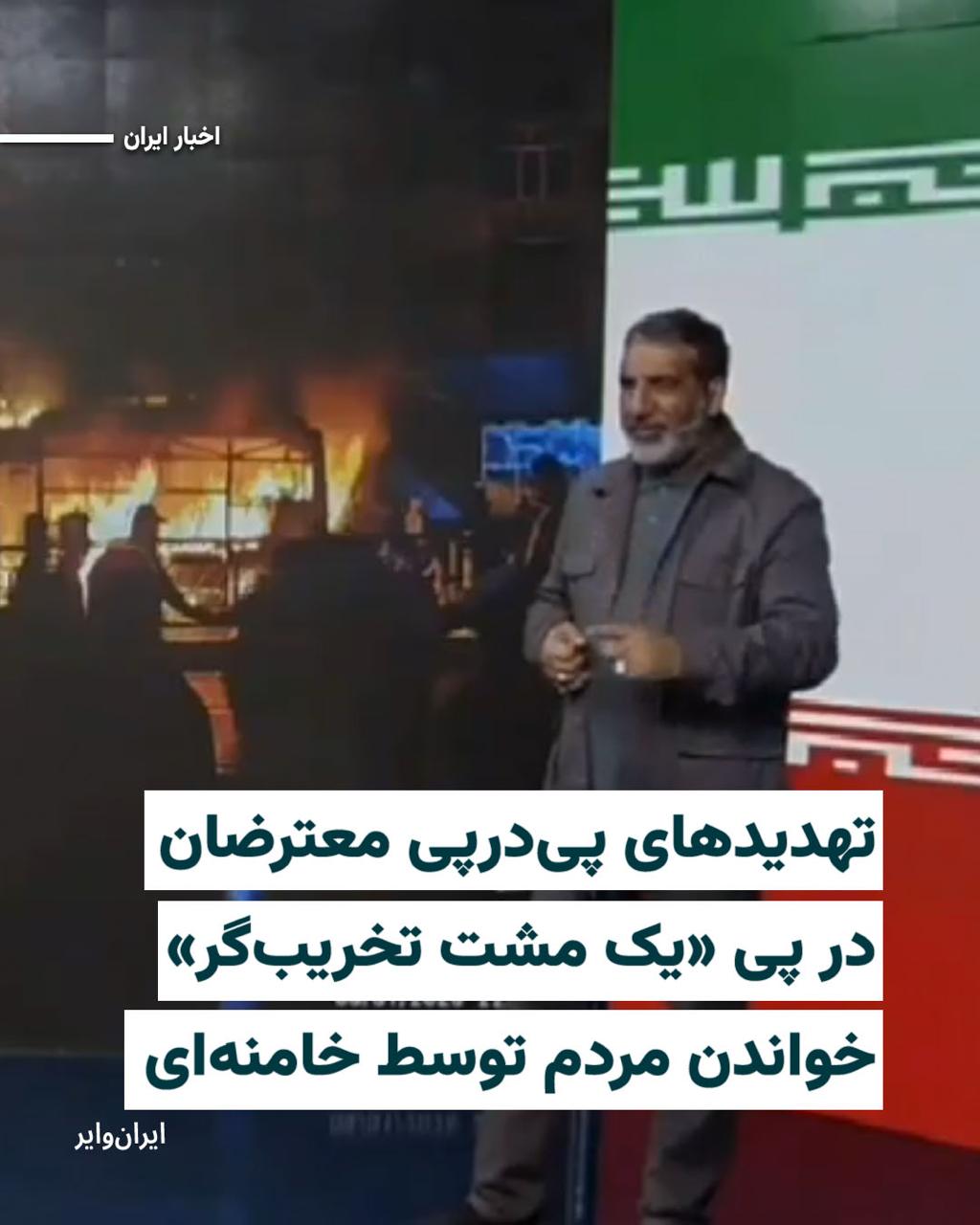
Iran State TV: IRGC-Linked Figure Hossein Yekta Warns Families and Urges Mosques to Be “Full Tonight”

Hossein Yekta—linked in Iranian media reporting to the IRGC and described as a central council member of the Ammar Headquarters—appeared on a live program on IRIB Channel 3 and issued a stark warning to families, saying that if something happens to their children who joined protests, the families themselves are to blame. In the same remarks, he addressed what he called “heyati and Basiji” forces, urging that “tonight is the time” for mosques to be “full,” language that reads as both intimidation aimed at deterring turnout and a call to mobilize pro-regime networks. If this message translates into coordinated street presence or increased auxiliary deployments, it could raise the near-term risk of confrontations, detentions, and tighter local controls in protest-prone areas.

Prince Reza Pahlavi Urges Trump to Be “Ready to Intervene” to Help Iranians Amid Internet Blackout and Threats

Amid a nationwide internet shutdown and escalating official warnings, Prince Reza Pahlavi said in an English-language post on X that he had addressed U.S. President Donald Trump, urging him to “please be ready” to intervene to help the people of Iran. The appeal comes as authorities intensify their crackdown narrative and restrict communications, complicating independent verification of events on the ground and raising the stakes around both domestic repression and external signaling.

RSF Voices “Deep Concern” Over Full Internet Blackout in Iran, Says At Least Six Media Activists Threatened

Reporters Without Borders (RSF) said in a statement on Friday, January 9, 2026 (19 Dey 1404) that it was deeply concerned about journalists being cut off from the outside world amid what it described as a complete internet shutdown in Iran, urging the international community to pressure authorities to restore access to information. RSF also said that during the past 12 days of protests, at least six media activists had been threatened by the IRGC Intelligence Organization, warning them against publishing information about the unrest or facing imprisonment—signaling intensifying coercion against reporting and amplifying the information vacuum created by the blackout.

Videos Show East Tehran Tax Administration Building Burned After Jan 8 Protest Night

Videos circulating on social media claim that the East Tehran Tax Affairs Administration building was set on fire and left severely damaged during the Thursday night protests on January 8, 2026 (18 Dey 1404). Euronews Persian reported the footage shows the burned tax office but said it cannot independently verify the videos, while the Financial Times also cited the Supreme Leader referencing a government building being set ablaze in Tehran that night. Separately, Iran’s Tax Administration media outlet said the cause of a fire at a “comprehensive tax plan” building was under investigation—without publicly attributing responsibility—highlighting the information gaps amid heavy restrictions and limited independent confirmation.


Report: Khamenei’s Qom Meeting Held Without Shiite Marja Cooperation

IranWire reported that Supreme Leader Ali Khamenei’s meeting with “the people of Qom” on Friday, January 9, 2026 (19 Dey 1404) was held without the presence or cooperation of senior Shiite clerics (maraje), citing a “reliable source” who said maraje are typically invited but this session was arranged quickly and they did not cooperate. State-linked outlets released coverage of the meeting as a large public gathering, but the reported lack of marja means any outreach effort in Qom may have faced internal clerical distance—an optics-sensitive point in a city central to Iran’s religious establishment.

Iran Judiciary Claims Esfarayen Prosecutor Ali Akbar Hosseinzadeh Killed During Jan 8 Unrest

Iranian judicial officials say Ali Akbar Hosseinzadeh, the public and revolutionary prosecutor of Esfarayen (North Khorasan), was killed on the night of Thursday, January 8, 2026 (18 Dey 1404) while on-site with law enforcement and security forces amid unrest; reports also cite additional security personnel deaths. According to the provincial judiciary chief’s account carried by Iranian and Persian-language outlets, officials allege “rioters” attacked the location, set it on fire, and obstructed rescue efforts—claims that are difficult to independently verify amid severe information constraints, but that are likely to be used to justify tougher prosecutions and an intensified security response in the coming days.

Turkish Airlines Cancels 17 Iran-Bound Flights; Flydubai Also Suspends Friday Services

Turkish Airlines said in an official statement that it has cancelled 17 scheduled flights to Tehran, Mashhad, and Tabriz for Friday and Saturday, January 9–10, 2026 (19–20 Dey 1404), while Flydubai also announced it is cancelling its Iran-bound flights for Friday, January 9 (19 Dey). The twin cancellations point to a sharp rise in operational uncertainty on key air corridors linking Iran with Istanbul and Dubai, disrupting passenger travel and potentially complicating time-sensitive cargo and business movements at a moment when domestic conditions and communications in Iran are widely reported to be under strain.

Frankfurt Mayor Nargess Eskandari Salutes Iran Protesters Amid Internet and Phone Blackout After Jan 8 Rallies

Nargess Eskandari, the Iranian-born mayor of Frankfurt, released a video message addressed to protesters in Iran, saying she salutes those who reject dictatorship and the Islamic Republic and support freedom and human rights. Referring to decades of repression and killings by the authorities, she said “today is the day” people are declaring they will no longer tolerate the current conditions, and she closed with “Woman, Life, Freedom,” adding that “light defeats darkness.” The message circulated as social media reports described widespread anti-government demonstrations across large and small Iranian cities on Thursday night, January 8, 2026 (18 Dey 1404), followed by what was described as a broad communications clampdown, including major internet disruptions and cuts affecting fixed and mobile phone lines—moves that would both hinder real-time verification and raise the risk of a harder security response.

Tehran: Sohravardi Street Video Claims Pro–Prince Reza Pahlavi Chants on Second Night of Nationwide Protests Despite Internet Blackout

Videos shared online from the night of Friday, January 9, 2026 (19 Dey 1404)—described as the second consecutive night of nationwide protests and the 13th night of unrest—show what is claimed to be a demonstration on Sohravardi Street in Tehran, with participants chanting in support of Prince Reza Pahlavi. The footage is being posted by users who say they managed to reconnect to the global internet despite widespread outages, but the video and the scale of turnout cannot be independently verified from the posts alone; still, the emergence of fresh clips during a communications shutdown suggests pockets of connectivity and continued street mobilization into a second night.


West Tehran (Chitgar) Videos Show “Jaanam Fadaye Iran” Chants; Reports Claim Tear Gas and Stun Devices Used

Videos circulating from Friday night, January 9, 2026 (19 Dey 1404) claim to show protesters in Chitgar, west Tehran, chanting “Jaanam Fadaye Iran” (“My life for Iran”). The Telegram channel Mamalakateh, citing its sources, alleged that “ordinary Basij forces” equipped with riot-control gear used tear gas and sound bombs in the area multiple times, but that residents regrouped and returned to the streets. The footage and operational details cannot be independently verified from the posts alone, but if accurate, it would point to repeated dispersal-and-regrouping dynamics despite heavy communications constraints—raising the near-term risk of intensified night-time security deployments and arrests in the western districts of Tehran.


Tehran: Videos Claim Zafaraniyeh and Moqaddas Ardebili Street Protesters Chanted “Azadi, Azadi” on Jan 9

Videos circulating on social media claim that residents in Tehran’s Zafaraniyeh area and along Moqaddas Ardebili Street were in the streets on the night of Friday, January 9, 2026 (19 Dey 1404), described as the second day of a nationwide strike-and-protest push, chanting “Azadi, Azadi” (“Freedom, Freedom”). The footage and the size of the gatherings cannot be independently verified from the posts alone, but if accurate, it would suggest continued night-time mobilization in affluent northern Tehran districts despite severe connectivity constraints, reinforcing the picture of sustained participation across multiple neighborhoods for a second consecutive evening.


IRGC Intelligence SMS Targets Parents, Warns Against Joining Protests and Urges Reporting “Suspicious عناصر”

According to reports and screenshots shared online, the IRGC Intelligence Organization sent an SMS addressed explicitly to “parents,” warning them to inform their children about the consequences of cooperating with what it called “terrorist mercenaries” and to prevent them from going into the streets. The message also urged citizens to identify and report any “suspicious عناصر” or “security disruptors” to the security body, signaling an effort to combine intimidation with community-level surveillance and denunciation. While the authenticity and scale of distribution cannot be independently verified from posts alone, such messaging—if widespread—would be consistent with a tightening crackdown posture aimed at deterring turnout, isolating activists, and expanding the state’s information net amid ongoing unrest.


IranWire: Videos Said to Show Street Protests in Chabahar as Reports of Crackdown Emerge in Zahedan and Konarak Amid Internet Blackout

IranWire said videos it received indicate that on Friday, January 9, 2026 (19 Dey 1404), people in Chabahar (Sistan and Baluchestan) joined street gatherings in solidarity with protests elsewhere in Iran, while separate reports also described repression targeting Baluch citizens in Zahedan and Konarak. With nationwide connectivity severely disrupted, outlets and activists say incoming information is arriving with delays, complicating independent verification and leaving the scale of events and casualty details uncertain from open sources alone.


Piers Morgan Praises Iranians’ “Astonishing” Courage as Protests Continue

British journalist and TV host Piers Morgan wrote on X that “the courage of all the Iranian people currently rising up against their vile repressive regime is astonishing,” urging them to “go for your freedom” and calling them “heroes.” The endorsement adds to the external visibility of the protests and can amplify international pressure narratives—potentially influencing diplomatic messaging, media coverage intensity, and near-term sentiment around Iran-related risk.

Trump Warns Iran of “Very Hard” U.S. Response if Protesters Are Shot as Death-Toll Claims Mount

In a Fox News interview with Sean Hannity aired Thursday night, January 8, 2026 (18 Dey 1404), U.S. President Donald Trump warned Iran’s leadership that any move to shoot at unarmed protesters would trigger a “very hard” U.S. response, while also portraying the unrest as unusually intense. In parallel coverage, Trump was also quoted suggesting Supreme Leader Ali Khamenei may be “looking to go someplace,” including in response to a question about a possible “Plan B” to leave for Russia, as Washington signaled it is watching whether the protest wave materially threatens the regime’s stability. Separately, Iran Human Rights (IHRNGO) said it has verified at least 45 protesters killed in the first 12 days of the protests, including eight children, with 13 deaths recorded on Wednesday, January 7, 2026 (17 Dey 1404)—figures that, if sustained or revised higher, would sharpen international pressure and raise the escalation risk under a communications blackout.

Iran Diaspora Floods X With Multilingual Appeals for Internet Access as Nationwide Blackout Obscures Events Inside Iran

With Iran widely reported to be under a near-total internet shutdown—and additional disruptions affecting communications—large numbers of Iranians abroad have intensified multilingual outreach on X since Friday, January 9, 2026 (19 Dey 1404), tagging human-rights bodies, Elon Musk, U.S. President Donald Trump, and other global leaders to press for emergency connectivity for people inside Iran. Users who previously posted mainly in Persian have increasingly switched to English and other languages to maximize visibility, often framing the request around restoring access via satellite services such as Starlink and highlighting that the blackout is cutting journalists and families off from real-time information. The online push underscores how the communications clampdown is constraining verification and situational awareness, while also raising the political cost of the blackout as international attention concentrates on connectivity as a pressure point.

Factnameh Says “Fardis Karaj” Death-Scene Video From Jan 8 Is Authentic; BBC Persian Verification Also Reported

Factnameh’s verification team said the widely shared videos labeled “Fardis victims on 18 Dey” are authentic—i.e., not fabricated, not old footage, and not re-dubbed—while noting that precise location details remain unclear from the clips and that the same incident appears to be captured from different angles. Radio Farda also reported that BBC Persian’s verification unit reached the same conclusion on authenticity, as the footage continues circulating amid severe connectivity disruptions that have slowed independent confirmation of casualty counts and on-the-ground circumstances.

Axios: U.S. Intelligence Reassessing Whether Iran Protests Could Threaten Regime Stability

Axios reported on Friday, January 9, 2026 (19 Dey 1404) that the U.S. intelligence assessment of the protests in Iran is shifting: officials had judged earlier in the week that the demonstrations lacked enough “energy” to challenge the regime’s stability, but recent developments have prompted a reassessment. An unnamed senior U.S. official was quoted as saying the protests are “serious” and that Washington will continue monitoring them—signaling that U.S. policymakers are increasingly treating the trajectory of street mobilization and state response as a potentially consequential stability risk rather than a contained episode.

X to Switch Iran Flag Emoji to Lion-and-Sun Symbol on Web, Product Chief Says

X’s head of product, Nikita Bier, said the platform is changing the Iran flag emoji design—replacing the current post-1979 emblem with the historic Lion-and-Sun symbol—and indicated the update should go live on the web version soon (expected Saturday, January 10, 2026). Emojipedia reported the change was first visible via an update in X’s official Twemoji GitHub repository following an exchange in which Bier responded to a user request, underscoring that this is an X-rendering change rather than a system-wide keyboard update: users on other platforms and many mobile device emoji fonts will continue to display Iran’s internationally recognized state flag.

Yazd: Paknejad Boulevard Videos Claim Street Protests on Jan 9 as “Iran Freedom Revolution” Reaches Day 13

Images circulating on social media and described as showing the 13th day of the “Iran Freedom Revolution” include footage reportedly filmed on Paknejad Boulevard in Yazd on Friday, January 9, 2026 (19 Dey). Some posts frame the broader “day 13” mobilization around Thursday, January 8 (18 Dey), suggesting either differing day-count conventions or staggered local timing, but the visuals and exact circumstances cannot be independently verified from the posts alone. If accurate, the Yazd footage would indicate continued nighttime street presence in a central Iranian city despite heightened security pressure and severe communications constraints.

Mashhad: Manoto Clip Described as “Million-Crowd” Rally, Dated 19 Dey, Circulates Online

Manoto published a social-media clip described as “Mashhad’s million crowd,” with the accompanying audio and caption pointing to Friday, January 9, 2026 (19 Dey 1404) and locations referenced by users as the Vakilabad area. The footage and, in particular, the crowd-size claim cannot be independently verified from the post alone—especially under Iran’s severe connectivity disruptions—but if the turnout was large, sustained street mobilization in Mashhad would be a meaningful signal given the city’s political and religious weight, and could increase the likelihood of a heavier security posture and tighter controls in the area.


Tehran (Saadat Abad): Starlink-Shared Video Claims Friday Night Protests on Jan 9 Amid Internet Blackout

A video circulating on social media and tagged “Saadat Abad, Tehran” is being shared with claims that it was transmitted via Starlink and that it was filmed on the night of Friday, January 9, 2026 (19 Dey 1404), as Iran’s nationwide unrest entered its 13th day. The footage and the timing/location claims cannot be independently verified from the posts alone—particularly under broad connectivity disruptions—but if accurate it would indicate continued street activity in western/northwestern Tehran neighborhoods and underline how satellite links may be enabling limited, real-time sharing despite domestic shutdown measures.


Tehran: Ferdows West Boulevard Videos Claim Friday Night Street Protests on Jan 9

Videos circulating on social media and captioned “Ferdows West Boulevard, Tehran” are being shared as footage from Friday, January 9, 2026 (19 Dey 1404), framed by posters and accounts as part of the 13th day of the “Iran Freedom Revolution.” The footage, timing, and exact location cannot be independently verified from the posts alone—particularly under widespread connectivity disruptions—but if accurate it would indicate continued night-time mobilization in western Tehran for a second consecutive evening, reinforcing the pattern of dispersed neighborhood gatherings despite heavy communications constraints.


Tehran: “Valiasr–Amir Bahador” Videos Claim Friday Night Protests on Jan 9 as Unrest Enters Day 13

Videos circulating on social media tagged “Valiasr, Tehran — Amir Bahador” are being shared as footage from Friday night, January 9, 2026 (19 Dey 1404), framed by posters as part of day 13 of the “Iran Freedom Revolution.” The clip(s), timing, and exact location cannot be independently verified from the posts alone—particularly under severe internet restrictions—but if accurate, they would indicate continued night-time gatherings in central Tehran corridors, reinforcing the pattern of dispersed neighborhood mobilization despite heavy security pressure and communications constraints.


Shiraz: Videos Captioned “Friday, Jan 9” Circulate as “Iran Freedom Revolution” Reaches Day 13

Videos circulating on social media—shared with captions and audio references to “Shiraz, Friday 19 Dey” (January 9, 2026)—are being framed as part of day 13 of the “Iran Freedom Revolution.” The footage, timing, and exact locations cannot be independently verified from the posts alone, particularly under severe internet disruptions, but if accurate, it would indicate continued nighttime street mobilization in a major southern city alongside reports of protests in multiple provinces.


Tehran: “Kāj Square” Night Videos Claim Friday (Jan 9) Street Protests as Unrest Enters Day 13

Social media posts captioned “tonight’s images from Kaj Square” are being shared as footage from Friday night, January 9, 2026 (19 Dey 1404), framed as part of the 13th day of the “Iran Freedom Revolution.” The clips and their precise time/location cannot be independently verified from the posts alone—especially under widespread internet disruptions—but if accurate they would point to continued night-time neighborhood mobilization in Tehran, with protesters till able to circulate visual evidence despite heavy communications constraints.


Tehran (Pasdaran Intersection): Video Captioned Jan 9 Shows Defiant Crowd Chants

A video circulating online and labeled “Tehran, Pasdaran three-way intersection” is being shared as footage from Friday night, January 9, 2026 (19 Dey 1404), with audible chants including: “Half of this crowd is in Pasdaran now… come kill these people if you can!” The clip is framed by posters as part of day 13 of the “Iran Freedom Revolution,” but the footage, exact location, and the scale of the gathering cannot be independently verified from the post alone—particularly amid severe internet disruptions. If accurate, the rhetoric suggests an increasingly confrontational mood and a willingness to directly challenge security forces, raising the risk of violent escalation, dispersal operations, and arrests in the area.


Tehran (Ashrafi Esfahani–Hemmat Junction): Starlink-Shared Video Claims Friday Night Protests on Jan 9

A video circulating on social media and labeled “Ashrafi Esfahani, Tehran — above the Hemmat intersection” is being shared with claims that it was transmitted via Starlink and filmed on Friday night, January 9, 2026 (19 Dey 1404), as unrest continued into day 13 of the “Iran Freedom Revolution.” The footage and the timing/location claims cannot be independently verified from the post alone—especially under widespread internet disruptions—but if accurate, it would indicate continued night-time street presence in the northwest Tehran corridor and highlight how satellite connectivity may be enabling limited dissemination of on-the-ground visuals despite domestic shutdown measures.


Tehran (Punok—“Chahardivari”): Videos Claim Friday Night Street Protests on Jan 9 as Unrest Enters Day 13

Images and videos circulating on social media and captioned “Tehran, Chahardivari Punok” are being shared as footage from Friday night, January 9, 2026 (19 Dey 1404), framed as part of the 13th day of the “Iran Freedom Revolution.” The visuals and the claimed time/location cannot be independently verified from the posts alone—particularly amid widespread internet disruptions—but if accurate, they would point to continued neighborhood-level street mobilization in western Tehran despite a heavy security posture and communications constraints.


Tehran (Jannat Abad): Videos Captioned “19 Dey” Circulate as Unrest Enters Day 13

Videos and images circulating on social media and captioned “Jannat Abad, Tehran — 19 Dey” are being shared as footage from Friday night, January 9, 2026 (19 Dey 1404), framed by posters as part of day 13 of the “Iran Freedom Revolution.” The content, timing, and exact location cannot be independently verified from the posts alone—particularly amid widespread internet disruptions—but if accurate, it would indicate continued neighborhood-level street mobilization in west Tehran and reinforce the pattern of dispersed, multi-district gatherings despite communications constraints.


Mashhad (Emamat Boulevard): Videos Claim Friday Night Street Protests on Jan 9 as Unrest Enters Day 13

Videos circulating on social media and captioned “Emamat Boulevard, Mashhad — Friday 19 Dey” are being shared as footage from the night of January 9, 2026 (19 Dey 1404), framed by posters as part of the 13th day of the “Iran Freedom Revolution.” The clips, timing, and precise location cannot be independently verified from the posts alone—especially amid severe internet disruptions—but if accurate they would indicate continued night-time street mobilization in Mashhad, a city whose religious and political weight makes sustained turnout there particularly significant.


Yazd: Multiple Videos Claim Friday Night Protests at Imam Hossein Square, Beheshti Boulevard, and Near Komiteh Emdad

A set of videos circulating on social media—captioned “Yazd, Imam Hossein Square,” “Yazd, Beheshti Boulevard,” and “Yazd, Komiteh Emdad”—are being shared as footage from Friday night, January 9, 2026 (19 Dey 1404), framed as part of the 13th day of the “Iran Freedom Revolution.” The clips and their precise locations cannot be independently verified from the posts alone—particularly under widespread internet disruptions—but if accurate they would indicate dispersed, multi-point street presence across Yazd rather than a single تجمع, suggesting sustained neighborhood-level mobilization into a second consecutive night.


Tehran (Sattar Khan): Videos Claim Friday Night Street Protests on Jan 9 as Unrest Enters Day 13

Videos circulating on social media and captioned “Sattar Khan, Tehran — Friday 19 Dey” are being shared as footage from the night of January 9, 2026 (19 Dey 1404), framed as part of day 13 of the “Iran Freedom Revolution.” The clips, timing, and exact location cannot be independently verified from the posts alone—especially amid severe internet disruptions—but if accurate they would indicate continued night-time mobilization in a key west-central Tehran corridor, reinforcing the pattern of dispersed neighborhood gatherings despite communications constraints and heightened security pressure.


Tehran: Video Claims Molotov Attack on a Government Building, Location Unclear (Possibly Sattar Khan)

A video circulating on social media late Friday, January 9, 2026 (19 Dey 1404) is being described as showing an incendiary device (reported as a Molotov cocktail) thrown at a government building, with some users suggesting the scene may be in the Sattar Khan area of Tehran. The footage, the target’s identity, and the exact location cannot be independently verified from the post alone—especially amid widespread connectivity disruptions—but if accurate it would indicate a sharper escalation toward property-targeted violence, a shift that typically increases the probability of intensified security deployments, wider arrests, and stricter prosecutions in the affected districts.


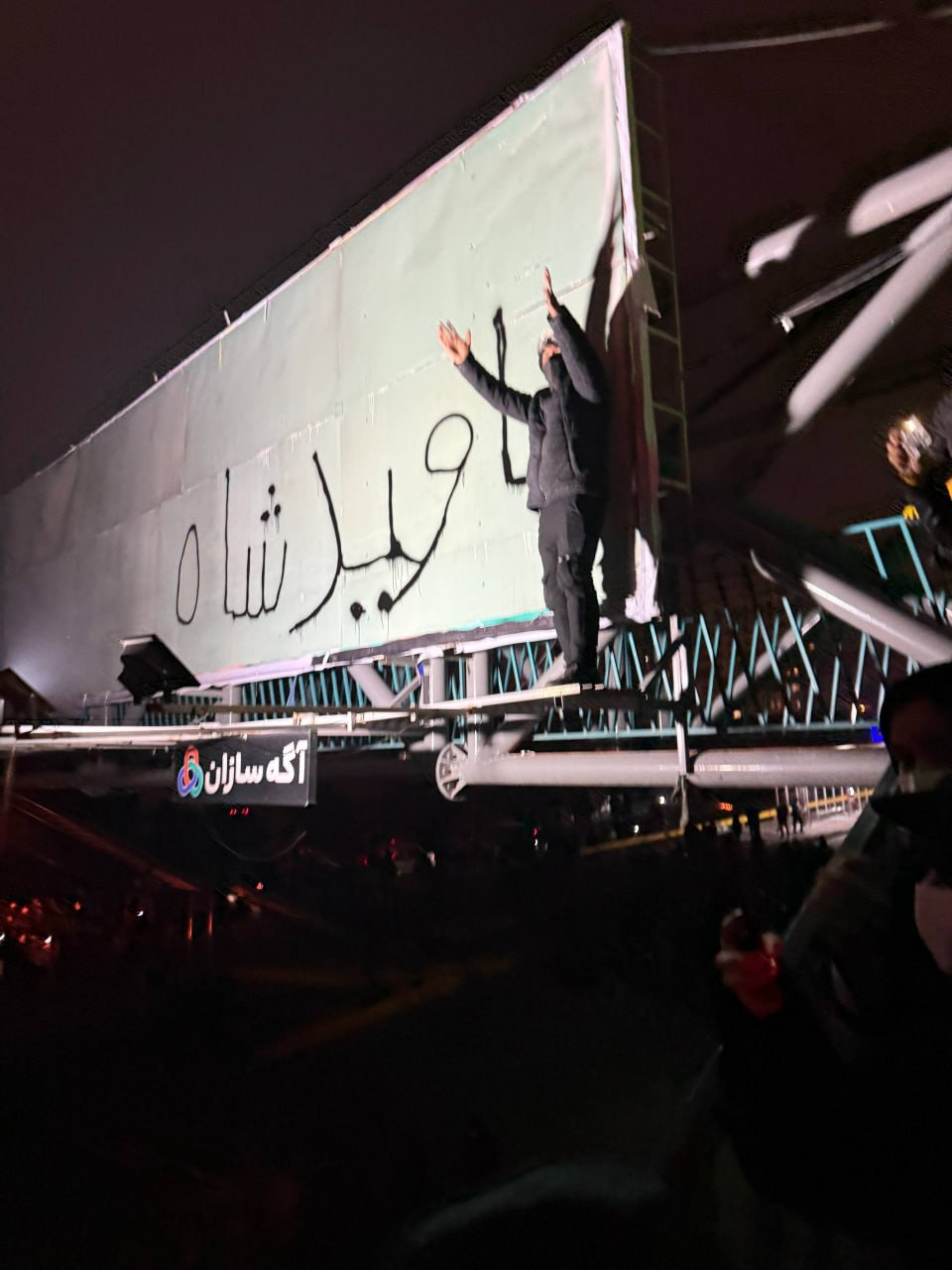
Trump Warns Tehran: “You Better Not Start Shooting” After Street-Rename Video Circulates

U.S. President Donald Trump said at the White House on Friday, January 9, 2026 (19 Dey 1404) that he hopes protesters in Iran “are going to be safe” because Iran is “a very dangerous place right now,” and warned Iranian leaders: “You better not start shooting because we’ll start shooting too.” His remarks came as he referenced reports that Iranian protesters had symbolically renamed a street for him in Tehran, and he reiterated that any U.S. response would not mean “boots on the ground,” but could involve striking the regime “very hard where it hurts.”

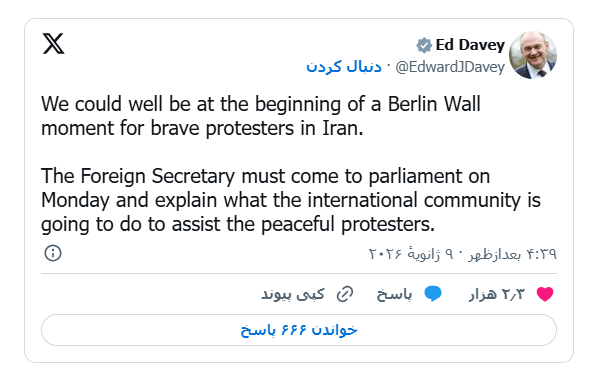
UK Lib Dem Leader Ed Davey Calls for Action to Support Iran Protesters, Citing a “Berlin Wall Moment”

UK Liberal Democrat leader Ed Davey wrote on X that the world “could well be at the beginning of a Berlin Wall moment” for Iran’s “brave protesters,” and urged the UK Foreign Secretary to appear in Parliament on Monday, January 12, 2026 (22 Dey 1404) to explain what the international community will do to help peaceful demonstrators. The intervention signals rising political pressure in the UK for a clearer, more public government stance as the crisis escalates and information out of Iran remains constrained.

EU Parliament Vice-President: “Silence Only Helps Oppressors,” Urges Europe to Stand With Iran Protesters

Pina Picierno, a Vice-President of the European Parliament, wrote in a social-media message that Iran’s authorities are again trying to suffocate the public’s voice through repression and violence, stressing that women, students, and ordinary citizens are risking everything for freedom, dignity, and human rights. Emphasizing that “silence only helps oppressors,” she argued Europe must take a clear stand and “be the voice of the Iranian people,” echoing wider international criticism of Iran’s use of force and information controls during unrest.

More Iran news

Europe

Italy Unemployment Falls to 5.7%, Beating Expectations

Italy’s labor market showed improvement in November. The monthly unemployment rate fell to 5.7% (6.0% expected, 5.8% prior), indicating slightly better-than-anticipated conditions and easing slack. The print supports the view that employment is holding up even as parts of the eurozone economy remain uneven.

Market impact: Mildly supportive for Italy’s domestic-demand narrative and BTPs at the margin, and broadly EUR-neutral—ECB pricing is more sensitive to eurozone-wide inflation and activity trends than to a single-country labor release.

French OAT Yields Rise at Auction, Signaling Higher Term Premium

France’s latest auctions cleared at higher yields, pointing to a firmer required return at the long end. The 10-year OAT auction stopped at 3.53% (prior 3.38%), while the 30-year OAT cleared at 4.46% (prior 4.37%). The move suggests investors demanded more yield to absorb duration supply—consistent with broader long-end repricing and/or a modest uptick in perceived fiscal/term-premium risk.

Market impact: Mildly negative for OAT prices and can nudge France–Bund spreads wider at the margin; limited direct support for EUR unless higher yields reflect a broader euro-area rate repricing.

Spain Auctions Clear at Higher Yields, Extending Long-End Firming

Spain’s latest bond auctions priced at slightly higher yields, signaling a modest rise in term premium and/or broader rate repricing across euro-area duration. The 5-year Bonos auction cleared at 2.512% (prior 2.471%), while the 7-year Obligación stopped at 2.938% (prior 2.885%). The move suggests investors required somewhat more yield to take down supply, consistent with a firmer rates tone this session.

Market impact: Mildly negative for Spanish bonds and can nudge Spain–Bund spreads wider at the margin; limited direct impact on EUR unless higher yields are part of a broader curve shift reinforced by ECB messaging.

Eurozone Sentiment Softens Slightly in December, Despite Better Consumer Confidence

Eurozone sentiment indicators sent a mixed-but-marginally weaker signal in December. The Business and Consumer Survey slipped to 96.7 (97.0 expected, 97.1 prior), suggesting overall confidence eased a touch. The Business Climate indicator improved to -0.56 (from -0.66), hinting at a modest stabilization on the corporate side. Consumers were also a bit less pessimistic: consumer confidence rose to -13.1 (from -14.6 expected? and -12.8 prior), coming in stronger than the survey expectation but still indicating negative sentiment overall.

Market impact: Broadly neutral to mildly supportive for euro-area risk at the margin—incremental improvement in business climate and better-than-expected consumer confidence help, but the softer headline survey keeps the growth narrative subdued and unlikely to materially shift ECB pricing on its own.

Eurozone Services Confidence Softens Slightly, While Industry Remains Depressed but Marginally Better

Eurozone sector sentiment was mixed in December. Services sentiment eased to 5.6 (5.9 expected, 5.8 prior), a mild downside miss that points to slightly softer momentum in the region’s key growth engine. Industrial sentiment improved to -9.0 (-9.1 expected, -9.3 prior), indicating manufacturing remains weak but is stabilizing at the margin.

Market impact: Broadly neutral—services cooling is mildly growth-negative, but the small improvement in industry reduces tail risk. ECB pricing is unlikely to shift meaningfully without confirmation from inflation, wages, and hard activity data.

Eurozone Unemployment Falls to 6.3%, Signaling Labor Market Resilience

The euro area labor market surprised slightly on the strong side in November. The unemployment rate fell to 6.3% (6.4% expected, 6.4% prior), indicating continued resilience and limited deterioration despite a mixed growth backdrop. The lower jobless rate supports the view that employment is holding up better than output in parts of the economy, which can help underpin consumption—though wage and inflation dynamics remain the key for ECB policy.

Market impact: Mildly supportive for euro-area risk sentiment and slightly EUR-positive at the margin—tighter labor conditions can slow dovish repricing. Bond impact is modest unless accompanied by stronger wage growth.

Germany Trade Surplus Shrinks as Exports Drop and Imports Rise

Germany’s external balance weakened in November as the export engine stumbled and imports rebounded. Exports fell -2.5% m/m (0.0% expected, +0.3% prior), while imports rose 0.8% m/m (0.2% expected, -1.5% prior). As a result, the trade surplus narrowed to €13.1B (€16.3B expected, €17.2B prior), a sizable downside miss that points to reduced net-trade support for growth at the margin—consistent with soft global demand and an uneven industrial cycle.

Market impact: Mildly negative for EUR and euro-area cyclicals at the margin—smaller surpluses can temper confidence in the external-growth cushion. Rates impact is typically limited unless the trade weakness feeds into broader activity data and ECB expectations.

Germany Industrial Output Rebounds in November, but Annual Growth Slows

Germany’s industrial production bounced back on the month in November, offering a modestly better near-term signal after prior volatility. Industrial output rose 0.8% m/m (-0.6% expected, +2.0% prior), beating expectations and indicating activity held up better than feared. On an annual basis, production was up 0.76% y/y, but this was softer than the prior 1.10%, suggesting the broader recovery remains uneven rather than fully entrenched.

Market impact: Mildly supportive for EUR and euro-area cyclicals at the margin—better-than-expected monthly output can help sentiment, but the softer y/y pace and weak trade data keep the manufacturing narrative mixed. ECB pricing is unlikely to shift materially without confirmation in orders, surveys, and inflation.

France Consumption Softens as Industrial Output Slips Slightly in November

France’s November activity indicators pointed to a mild loss of momentum. Consumer spending fell -0.3% m/m (-0.1% expected, +0.5% prior), a downside surprise that suggests household demand cooled after a strong October. On the production side, industrial output edged down -0.1% m/m (-0.2% expected, +0.2% prior), roughly in line with expectations and indicating a slight pullback in factory activity.

Market impact: Mildly negative for France’s near-term growth tone and broadly EUR-neutral—the euro typically reacts more to eurozone-wide inflation and ECB expectations than to a single-country monthly activity print, unless weakness becomes broader and persistent.

Swiss FX Reserves Edge Lower as Consumer Mood Remains Deeply Negative

Switzerland’s external buffers dipped slightly in December, with foreign reserves easing to $725.4B from $727.4B previously. Separately, SECO consumer climate printed at -34, underscoring a still-downbeat household mood and a cautious demand backdrop—consistent with Switzerland’s very low inflation environment and limited domestic price pressure.

Market impact: Mostly CHF-neutral to mildly negative at the margin—small reserve moves rarely matter unless tied to intervention, but weak consumer sentiment can reinforce a softer growth tone and keep the SNB biased toward maintaining accommodative conditions.

Switzerland Unemployment Edges Up to 3.1% (NSA), While Seasonally Adjusted Rate Holds at 3.0%

Swiss labor market conditions softened slightly in December. The unemployment rate (not seasonally adjusted) rose to 3.1% from 2.9% previously, indicating a modest deterioration on the headline measure. However, the seasonally adjusted unemployment rate held steady at 3.0% (in line with expectations and unchanged from the prior reading), suggesting underlying conditions remain broadly stable once seasonal effects are removed.

Market impact: Largely CHF-neutral—a small uptick in the NSA rate is unlikely to move markets, especially with the SA rate unchanged. It modestly reinforces a softer growth backdrop alongside very low inflation, keeping expectations for a cautious SNB stance.

Spain Industrial Output Accelerates to 4.5% y/y, Signaling Stronger Manufacturing Momentum

Spain’s industrial sector showed a notable improvement in November. Industrial production rose 4.5% y/y, up sharply from 1.2% previously, pointing to stronger momentum in factory output and a firmer contribution from industry to near-term growth.

Market impact: Mildly supportive for Spain’s growth narrative and Spanish cyclicals; EUR impact is typically limited unless the strength is echoed across the broader eurozone. For rates, stronger activity can marginally lean against aggressive easing expectations, but ECB pricing remains driven primarily by euro-area inflation and labor-cost trends.

Italy Retail Sales Hold Up in November, with Monthly Growth Beating Expectations

Italy’s retail sector showed steady momentum in November. Retail sales rose 0.5% m/m (0.3% expected, 0.5% prior), indicating consumer spending at the till remained firmer than forecast and maintained the prior month’s pace. On an annual basis, retail sales were up 1.3% y/y, unchanged from 1.3% previously, suggesting stable real-demand conditions rather than acceleration.

Market impact: Mildly supportive for Italy’s domestic-demand narrative and BTPs at the margin; broadly EUR-neutral, as ECB pricing is driven more by eurozone-wide inflation and wage trends than a single-country retail print.

Eurozone Retail Sales Rise More Than Expected, Signaling Firmer Consumer Demand into Q4

Eurozone consumers showed slightly stronger spending momentum in November. Retail sales rose 0.2% m/m (0.1% expected, 0.3% prior), and accelerated to 2.3% y/y (1.6% expected, 1.9% prior). The upside surprise on the annual rate suggests household demand is holding up better than feared, providing a modest offset to ongoing manufacturing softness in parts of the bloc.

Market impact: Mildly supportive for euro-area risk sentiment and slightly EUR-positive at the margin—firmer consumption can lean against aggressive ECB easing bets. However, the FX and rates reaction is typically contained unless confirmed by broader hard data and inflation dynamics.

Italy 12-Month BOT Yield Falls to 2.112%, Signaling Easier Front-End Pricing

bill yields are consistent with a market that is more comfortable with near-term rate expectations and sovereign liquidity conditions.

Market impact: Mildly supportive for Italian front-end bonds and can be marginally positive for BTP sentiment overall; limited direct impact on EUR, unless similar moves appear across broader euro-area money markets and ECB pricing shifts.

Spain Business Confidence Dips Further to -3.5, Keeping Sentiment Cautious

Spain’s business sentiment softened slightly in December. Business confidence fell to -3.5 from -3.2 previously, indicating firms became a bit more cautious about conditions heading into year-end. While the move is modest, it suggests confidence remains fragile even as some hard activity indicators (such as industrial production) have recently improved.

Market impact: Largely EUR-neutral—a small sentiment dip in one country rarely moves the currency. For Spanish assets, it modestly tempers the near-term growth tone unless followed by weaker PMIs, hiring, or investment indicators.

More Europe news

USA

U.S. Challenger Job Cuts Drop Sharply in December, Easing Layoff Signal

U.S. layoff announcements cooled materially at year-end. Challenger job cuts fell to 35.553K in December (from 71.321K previously), and y/y job cuts were down -8.3% (prior +23.5%). The data suggests corporate downsizing plans eased versus the prior month, aligning with a labor market that is cooling but not breaking.

Market impact: Mildly risk-supportive at the margin and slightly Treasury-yield supportive—fewer announced cuts reduces immediate recession angst, which can temper aggressive easing expectations. USD impact is usually limited unless confirmed by broader payroll and claims data.

U.S. Jobless Claims Stay Low, but Continuing Claims Edge Higher

U.S. labor-market data remained broadly steady. Initial jobless claims rose to 208K (vs 213K expected, 200K prior), still a low level that points to limited layoff pressure. However, continuing claims climbed to 1,914K (vs 1,900K expected, 1,858K prior), suggesting it is taking slightly longer for some unemployed workers to find new jobs. The 4-week average eased to 211.75K (vs 219.00K prior), reinforcing the message of a resilient—but gradually cooling—labor backdrop.

Market impact: Mildly supportive for risk sentiment at the margin—low initial claims reduce near-term recession fears, but rising continuing claims can keep the Fed “patient” narrative alive, limiting upside in yields and tempering USD strength unless broader employment data re-accelerates.

U.S. Jobless Claims Stay Low, but Continuing Claims Edge Higher.

U.S. labor-market data remained broadly steady. Initial jobless claims rose to 208K (vs 213K expected, 200K prior), still a low level that points to limited layoff pressure. However, continuing claims climbed to 1,914K (vs 1,900K expected, 1,858K prior), suggesting it is taking slightly longer for some unemployed workers to find new jobs. The 4-week average eased to 211.75K (vs 219.00K prior), reinforcing the message of a resilient—but gradually cooling—labor backdrop.

Market impact: Mildly supportive for risk sentiment at the margin—low initial claims reduce near-term recession fears, but rising continuing claims can keep the Fed “patient” narrative alive, limiting upside in yields and tempering USD strength unless broader employment data re-accelerates.

U.S. Trade Deficit Narrows Sharply to $29.4B as Imports Fall, Exports Rise

U.S. trade data for October showed a much smaller deficit than expected, driven by a combination of stronger exports and lower imports. Exports rose to $302.0B (from $289.3B), while imports fell to $331.4B (from $342.1B). As a result, the trade balance improved to a -$29.4B deficit (-$58.1B expected, -$48.1B prior), a large upside surprise that implies net exports could contribute more positively to near-term GDP arithmetic than previously assumed.

Market impact: Mildly supportive for the USD at the margin and potentially growth-positive for GDP tracking; bond impact is typically limited unless the trade shift is seen as persistent and materially alters growth/inflation expectations.

U.S. Productivity Surges Again, While Unit Labor Costs Fall—A Disinflation-Friendly Mix

U.S. Q3 data showed a strong supply-side signal. Nonfarm productivity rose 4.9% q/q, matching expectations (4.9%) and accelerating from 4.1% previously. At the same time, unit labor costs fell -1.9% q/q (vs 0.0% expected, -2.9% prior), underscoring that labor-cost pressure per unit of output declined again, albeit less sharply than the prior quarter. The combination—higher productivity with falling unit labor costs—is typically consistent with easing underlying inflation pressure, especially in labor-intensive services.

Market impact: Mildly supportive for risk assets and dovish at the margin for rates—strong productivity can lift the soft-landing narrative and cap inflation fears, support Treasuries and limiting USD upside unless growth surprises continue elsewhere.

U.S. Wholesale Sales Fall as Inventories Rise Modestly, Hinting at Slight Stock Build

U.S. wholesale data for October showed a mild inventory accumulation alongside softer sales. Wholesale inventories rose 0.2% m/m (in line with expectations; prior 0.5%), while wholesale trade sales fell -0.4% m/m (prior -0.2%). The combination suggests inventory-to-sales dynamics may have become a bit less favorable, consistent with a goods-demand backdrop that is cooling.

Market impact: Modestly supportive for Treasuries and slightly USD-negative at the margin—softer sales can reinforce a slower-growth narrative, though inventories can add to GDP arithmetic in the short run even if demand is easing.

NY Fed 1-Year Inflation Expectations Tick Up to 3.4%, Suggesting Slightly Firmer Near-Term Price Anxiety

U.S. consumers’ near-term inflation expectations edged higher in December. The NY Fed 1-year inflation expectation rose to 3.4% from 3.2% previously, indicating households see slightly more upside risk to prices over the next year. While this is only a modest move, it matters because expectations can influence wage demands and spending behavior, especially when headline inflation is still a focus.

Market impact: Mildly supportive for Treasury yields and slightly USD-positive at the margin—firmer inflation expectations can reduce the case for aggressive near-term easing, though the Fed will weigh this against realized inflation and labor-market cooling.

U.S. T-Bill Auction Yields Ease, Pointing to Firm Short-End Demand

U.S. bill auctions cleared at slightly lower yields, suggesting steady demand and a marginal easing in front-end funding rates. The 4-week bill auction stopped at 3.550% (prior 3.590%), and the 8-week bill cleared at 3.540% (prior 3.580%). The move is consistent with a front end that is stabilizing as markets price a “hold for longer” Fed base case with some easing risk later if growth cools.

Market impact: Modestly supportive for short-dated Treasuries and broadly USD-neutral—small auction moves typically do not shift FX unless they coincide with a broader repricing in Fed expectations.

Atlanta Fed GDPNow Jumps to 5.4%, Pointing to Much Stronger Q4 Momentum

The Atlanta Fed’s GDPNow model sharply revised higher, lifting its Q4 growth nowcast to 5.4% (2.7% expected, 2.7% prior). Such a jump typically reflects a cluster of incoming data—often trade, inventories, or consumption components—re-weighting the model’s near-term GDP arithmetic. While GDPNow is not an official forecast, moves of this size signal that recent hard data flow has been materially more growth-supportive than previously implied.

Market impact: Risk-positive and yields-supportive at the margin—stronger growth tracking can lift equities and push Treasury yields higher, while supporting the USD if markets see less urgency for rate cuts. The key is whether upcoming activity and inflation prints confirm the model’s strength.

Fed Balance Sheet Shrinks Further as Bank Reserves Rise

The latest Fed balance sheet data showed continued balance-sheet runoff alongside a rise in banking-system liquidity. The Fed’s total balance sheet fell to $6,574B (from $6,641B), consistent with ongoing quantitative tightening. Meanwhile, reserve balances increased to $3.023T (from $2.853T), indicating higher reserves in the banking system even as the overall asset base declined—often reflecting short-term liquidity dynamics (Treasury cash balance movements, RRP usage shifts, or settlement flows).

Market impact: Mostly neutral for broad markets day-to-day—QT continuation is a slow-moving headwind, while higher reserves can ease near-term funding stress. Rates and USD reaction typically depends more on how these liquidity shifts affect money-market conditions and front-end funding spreads.

U.S. Housing Permits Hold Near 1.41M, While Starts Slide in October

U.S. housing indicators showed a steady pipeline but softer near-term construction activity. In September, building permits rose to 1.415M (vs 1.350M expected, 1.330M prior), up 6.4% m/m (prior -2.3%), while housing starts came in at 1.306M (vs 1.330M expected, 1.307M prior), up 1.2% m/m after the prior drop. In October, the pipeline remained stable with permits at 1.412M (vs 1.415M expected, prior 1.330M), down -0.2% m/m (prior +6.4%), but starts fell to 1.246M (prior 1.291M), down -4.6% m/m (prior -9.1%), signaling builders pulled back on new groundbreakings even as permitting stayed resilient.

Market impact: Mixed and largely second-order—stable permits help the medium-term housing outlook, but weaker starts underline sensitivity to financing costs. The release is modestly supportive for Treasuries (cooler activity) and typically USD-neutral unless paired with broader growth surprises or a material shift in mortgage-rate conditions.

U.S. Wage Growth Firms to 3.8% y/y, Keeping Inflation Watch Active

U.S. earnings data for December pointed to steady monthly wage gains but a slightly hotter year-on-year pace. Average hourly earnings rose 0.3% m/m (in line with expectations; prior 0.2%), while wage growth accelerated to 3.8% y/y (vs 3.6% expected, 3.6% prior). Average weekly hours dipped to 34.2 (vs 34.3 expected, 34.3 prior), suggesting labor demand is not overheating on hours worked even as pay growth remains firm.

Market impact: Mildly supportive for Treasury yields and modestly USD-positive at the margin—firmer y/y wage growth can keep the Fed cautious on easing, though the softer hours metric limits the hawkish signal unless accompanied by stronger payrolls and broader inflation persistence.

U.S. Jobs Growth Slows Sharply as Unemployment Ticks Down, Signaling Cooling—Not Cracking

The December U.S. jobs report leaned softer on hiring but slightly better on unemployment. Nonfarm payrolls rose 50K (66K expected, 56K prior), with private payrolls up 37K (64K expected, 50K prior). Manufacturing payrolls fell -8K (-5K expected, -2K prior), underscoring ongoing goods-sector softness, while government payrolls rose 13K (prior 6K). The unemployment rate edged down to 4.4% (4.5% expected, 4.5% prior), while the participation rate slipped to 62.4% (prior 62.5%). Broader underemployment improved, with U-6 falling to 8.4% (prior 8.7%), suggesting fewer workers were stuck in part-time or marginal attachment.

Market impact: Mixed-to-dovish—slower payroll growth supports the case for easier policy later, helping Treasuries, but the lower unemployment rate and firmer wages (3.8% y/y) can keep the Fed cautious on near-term cuts. Net: modest support for bonds, with USD reaction likely contained unless subsequent data confirms a faster labor-market slowdown.

Michigan Survey: Sentiment Improves, but Longer-Run Inflation Expectations Tick Higher

The University of Michigan’s January survey painted a mildly better confidence picture, with a small uptick in inflation concerns beyond the near term. Consumer sentiment rose to 54.0 (53.5 expected, 52.9 prior), helped by stronger assessments of the present: current conditions increased to 52.4 (prior 50.4). Forward-looking confidence also improved slightly, with consumer expectations at 55.0 (prior 54.6). On inflation, the 1-year expectation held at 4.2% (in line with expectations; unchanged), while the 5-year expectation rose to 3.4% (3.3% expected, 3.2% prior), a small but notable firming in longer-run inflation psychology.

Market impact: Mixed—better sentiment is modestly risk-supportive, but the higher 5-year inflation expectation can keep the Fed cautious on easing. Net effect is mildly supportive for Treasury yields and broadly USD-neutral to slightly positive unless longer-run expectations continue to drift higher.

Atlanta Fed GDPNow Edges Down to 5.1%, Still Signaling Very Strong Q4 Growth

The Atlanta Fed’s GDPNow model eased slightly but remains at a very elevated level. The Q4 growth nowcast slipped to 5.1% (vs 5.4% expected, 5.4% prior), indicating the latest data flow trimmed the estimate but did not change the core message: the model is still tracking exceptionally strong late-year momentum.

Market impact: Still broadly risk-supportive and yields-supportive at the margin—an above-5% nowcast can keep Treasury yields firm and support the USD by reducing urgency around near-term rate cuts, though markets will want confirmation from official GDP and broader hard data.

More USA news

Others

South Africa Manufacturing PMI Drops to 40.5, Deepening Contraction Signal

South Africa’s manufacturing conditions weakened further in December. The Manufacturing PMI fell to 40.5 (prior 42.0), moving deeper into contraction territory and indicating a sharper deterioration in factory activity into year-end. A reading this low typically aligns with falling output and orders, and highlights ongoing headwinds for industrial momentum.

Market impact: Mildly negative for ZAR at the margin and supportive for local bonds—softer activity can reinforce a weaker growth narrative and increase sensitivity to fiscal and external-financing risks, though the rand will still be driven primarily by global risk appetite and commodity moves.

Brazil IGP-DI Inflation Ticks Up to 0.10% m/m in December

Brazil’s IGP-DI inflation index rose 0.10% m/m in December, up from 0.01% previously, indicating a mild firming in wholesale/producer-linked price pressures at the margin. The move is small in absolute terms, but it signals inflation impulses in the IGP complex are not fading further into year-end.

Market impact: Largely neutral for BRL—a modest upside in IGP-DI alone is unlikely to shift policy expectations materially. Local rates and FX will remain more sensitive to broader inflation measures, fiscal headlines, and global risk/commodities.

South Africa Factory Output Falls in November, Confirming Industrial Weakness

South Africa’s manufacturing output contracted in November, reinforcing the downbeat signal from recent PMI readings. Manufacturing production fell -1.1% m/m (prior +1.0%) and -1.0% y/y (+0.2% expected, +0.4% prior), a clear downside surprise that points to weakening industrial momentum into year-end.

Market impact: Mildly negative for ZAR at the margin and supportive for local bonds—softer production data strengthens the soft-growth narrative and can heighten sensitivity to fiscal and external-balance headlines, although the rand remains primarily driven by global risk appetite and commodity prices.

Turkey Reserves Slip as Treasury Cash Balance Swings to a Large Deficit

Turkey’s reserve position weakened while the fiscal cash position deteriorated sharply in December. Gross FX reserves fell to $74.56B (from $76.98B), and net FX reserves dropped to 76.89% (from 79.77%), indicating a modest erosion in buffers. The bigger headline was the fiscal swing: the Treasury cash balance printed a -₺333.150B deficit versus a +₺56.200B surplus previously, implying a significant year-end cash outflow—consistent with seasonal spending, debt-service timing, and/or one-off transfers.

Market impact: Mildly negative for TRY at the margin—lower reserves plus a sharp cash deficit can raise sensitivity to funding and policy credibility. Local rates and FX will remain highly reactive to CBRT communication, inflation trajectory, and any signs of renewed reserve drawdown or FX-market intervention.

Mexico Inflation Cools in December, Keeping Disinflation Trend Intact

Mexico’s December inflation data came in softer than expected, reinforcing a gradual disinflation narrative. Headline CPI rose 0.28% m/m (0.40% expected, 0.66% prior) and slowed to 3.69% y/y (3.80% expected, 3.80% prior). Core inflation was only slightly below forecasts: core CPI rose 0.41% m/m (0.42% expected, 0.19% prior) while core CPI eased to 4.33% y/y (4.34% expected, 4.43% prior). Producer prices were mixed but broadly benign: PPI increased 0.50% m/m (prior 0.40%) while PPI eased to 2.10% y/y (prior 2.40%).

Market impact: Mildly supportive for Mexican bonds and slightly MXN-negative at the margin—softer inflation can strengthen the case for a more accommodative Banxico path, though peso direction remains heavily driven by global risk sentiment and rate differentials.

Brazil Industrial Output Stalls in November as Annual Decline Deepens

Brazil’s industrial sector lost momentum in November. Industrial production was flat at 0.0% m/m (0.2% expected, 0.1% prior), while output fell -1.2% y/y (-0.1% expected, -0.5% prior), a clear downside surprise that signals a deeper contraction on an annual basis. The print suggests Brazil’s growth mix is becoming more uneven, with industry lagging even if services remain more resilient.

Market impact: Mildly negative for BRL at the margin and supportive for local bonds—softer activity can reinforce a slower-growth narrative and strengthen the case for a more accommodative policy bias if inflation allows, though BRL remains heavily influenced by commodities and fiscal headlines.

Argentina Industry Slumps Further as Consumer Credit Collapses

Argentina’s November data pointed to a sharper slowdown in real activity and household financing. Industrial production fell -8.7% y/y (prior -2.8%), signaling a deepening contraction in the industrial sector. At the same time, consumer credit dropped to 4.23B (10.10B expected, 9.24B prior), a major downside surprise that suggests tighter financial conditions and weaker credit impulse for consumption.

Market impact: Negative for Argentina’s growth outlook—deeper industrial contraction and weaker consumer credit typically increase recession risk and can keep pressure on local assets. For ARS, the near-term effect depends heavily on FX controls, policy credibility, and external financing dynamics rather than these prints alone.

South Korea Current Account Surges to $12.24B, Strengthening External Support

South Korea’s external balance improved sharply in November. The current account surplus widened to $12.24B from $6.81B previously, pointing to stronger net inflows and a healthier trade/income balance. A larger surplus typically signals solid export performance and provides a stabilizing buffer for the currency, especially during periods of global risk volatility.

Market impact: Mildly supportive for KRW at the margin—stronger external surpluses reduce vulnerability to funding shocks. However, near-term KRW direction remains highly sensitive to global risk sentiment, U.S. yields, and the semiconductor cycle.

Turkey Industrial Output Rebounds Strongly in November, Extending Moderate Annual Growth

Turkey’s industrial sector showed a clear improvement in November. Industrial production rose 2.5% m/m (prior -0.7%), a strong rebound that suggests a pickup in near-term activity after the prior month’s contraction. On an annual basis, output growth also edged higher: industrial production increased 2.4% y/y (prior 2.2%), indicating moderate but steady expansion.

Market impact: Mildly supportive for Turkish growth sentiment and local risk assets, but TRY impact is mixed—stronger activity can be supportive, yet it may also complicate disinflation and keep policy tight for longer. FX remains primarily driven by inflation credibility, reserves dynamics, and CBRT communication.

Mexico Industrial Output Improves on the Month, but Annual Growth Stays Negative

Mexico’s November industrial data was mixed but slightly better than feared. Industrial production rose 0.6% m/m (0.0% expected, 0.9% prior), showing activity held up on a monthly basis and beat forecasts. However, the annual picture remains soft: output fell -0.8% y/y (-1.2% expected, -0.3% prior), meaning industry is still contracting versus last year, albeit less than expected.

Market impact: Mildly supportive for Mexican risk assets and local bonds at the margin—better monthly momentum helps sentiment, but persistent y/y contraction keeps the growth narrative cautious. For MXN, the signal is modest, with FX still dominated by global risk appetite and rate differentials.

Brazil Inflation Eases to 4.26% y/y as Monthly CPI Stays Moderate

Brazil’s December CPI came in slightly softer than expected, reinforcing a gradual disinflation signal at the margin. Headline CPI rose 0.33% m/m (0.35% expected, 0.18% prior) and slowed to 4.26% y/y (4.30% expected, 4.46% prior). The annual deceleration is constructive, even as the monthly print picked up from the prior month—suggesting price pressures are easing on trend but not disappearing.

Market impact: Mildly supportive for Brazilian bonds and slightly BRL-negative at the margin—softer inflation can support a more dovish policy bias if the trend holds, though BRL remains heavily influenced by commodities, global risk, and fiscal headlines.

Brazil Seasonally Adjusted IPCA Firms to 0.26% m/m, Hinting at Slightly Stickier Near-Term Inflation

Brazil’s seasonally adjusted inflation measure ticked up in December. The IPCA inflation index (SA) rose 0.26% m/m, up from 0.12% previously, suggesting somewhat firmer underlying monthly price momentum once seasonal effects are stripped out. While the level is not extreme, the acceleration can be read as a reminder that disinflation is gradual and may not be perfectly smooth month-to-month.

Market impact: Mildly supportive for Brazilian rates at the margin (less room for aggressive easing) and broadly BRL-neutral unless followed by stronger core measures. FX remains driven mainly by commodities, global risk sentiment, and fiscal policy credibility.

More Others news

Canada

Canada Trade Balance Turns to a Small Deficit as Imports Outpace Exports

Canada’s trade position weakened in October as imports rose faster than exports. Exports increased to C$65.61B (from C$64.29B), but imports climbed to C$66.19B (from C$64.04B), pushing the trade balance to a -C$0.58B deficit (-C$1.40B expected, +C$0.24B prior). The result was better than forecasts but marks a shift back into deficit, implying net trade was less supportive for growth in the month.

Market impact: Largely neutral to mildly negative for CAD at the margin—better-than-expected deficit limits the downside, but a deficit print reduces external support. CAD will still be driven mainly by oil prices, U.S. growth, and Bank of Canada expectations.

Canada Jobs Report: Headline Hiring Modest, Full-Time Surges—but Unemployment Rises to 6.8%

Canada’s December labor report was mixed, with a better quality mix in hiring but a softer headline on joblessness. Employment rose 8.2K (vs -1.8K expected, 53.6K prior), driven by a strong +50.2K gain in full-time jobs (prior -9.4K) that was partly offset by a -42.0K drop in part-time employment (prior +63.0K). The unemployment rate rose to 6.8% (6.7% expected, 6.5% prior), even as the participation rate increased to 65.4% (from 65.1%), implying more people entered the labor force and not all were absorbed immediately. Wage pressure cooled slightly: average hourly wages for permanent employees rose 3.7% y/y (prior 4.0%).

Market impact: Slightly dovish for BoC pricing—rising unemployment and slower wage growth can support easing expectations, which is generally supportive for Canadian bonds but can be CAD-negative at the margin. That said, the strong full-time gain improves the quality signal and may limit the dovish repricing unless unemployment continues to trend higher.

More Canada news

Commodities

U.S. Natural Gas Storage Draw Deepens to -119 Bcf, Tightening Winter Balance

U.S. natural gas inventories posted a larger-than-expected weekly draw. Storage fell by -119 Bcf versus -109 Bcf expected and -38 Bcf previously, indicating stronger net demand (weather-driven heating, power burn, or exports) and a tighter near-term balance compared with the prior week.

Market impact: Bullish for U.S. natural gas prices at the margin—bigger draws can lift front-month pricing and support gas-linked equities, especially if the cold pattern persists. The broader macro impact is limited unless gas prices spike enough to influence inflation expectations.

U.S. Oil Rig Count Falls to 409, Signaling Slightly Softer Drilling Momentum

Baker Hughes data showed a small pullback in U.S. drilling activity. The oil rig count fell to 409 from 412, while the total rig count declined to 542 from 546. The move suggests slightly softer near-term upstream momentum, consistent with producers staying disciplined amid lower prices and a focus on capital efficiency rather than aggressive growth.

Market impact: Mildly supportive for crude at the margin—fewer rigs can tighten the medium-term supply outlook, though weekly rig changes are noisy and production reacts with a lag. Near-term oil pricing remains driven more by inventories, OPEC+ policy, and geopolitical supply risks.

More Commodities news

Japan

Japan Household Spending Rebounds Sharply, Beating Forecasts by a Wide Margin

Japan’s household spending data delivered a strong upside surprise in November, signaling a potential near-term improvement in consumption momentum. Household spending rose 2.9% y/y (-1.0% expected, -3.0% prior), swinging decisively back into growth. On a monthly basis, spending jumped 6.2% m/m (2.7% expected, -3.5% prior), a very large rebound that suggests a meaningful pickup in activity after the prior month’s weakness.

Market impact: Mildly supportive for Japanese risk assets and potentially JPY-positive at the margin—stronger consumption can reinforce the BOJ’s confidence in domestic-demand durability. That said, given other mixed wage/sentiment signals, markets will look for confirmation in subsequent months before materially repricing BOJ expectations.

Japan FX Reserves Rise to $1.37T, Reinforcing External Buffer

Japan’s foreign-exchange reserves increased in December, strengthening its external liquidity cushion. FX reserves rose to $1,369.8B from $1,359.4B previously, indicating a modest build—often influenced by valuation effects and portfolio movements. The level remains one of the largest reserve pools globally.

Market impact: Generally JPY-neutral—reserve changes of this size rarely drive the currency day-to-day unless they signal active intervention. The main FX drivers remain BOJ policy expectations, U.S.-Japan yield differentials, and global risk sentiment.

More Japan news

UK

UK Mortgage Rate Edges Down to 6.77%, Still Restrictive for Housing

UK mortgage rates eased slightly in December, with the average rate dipping to 6.77% from 6.81% previously. While the direction is marginally supportive, borrowing costs remain elevated in absolute terms, continuing to weigh on affordability and keeping the housing recovery gradual.

Market impact: Largely neutral for GBP—a small rate dip is modestly supportive for housing-sensitive sentiment, but macro impact depends on whether rates continue to fall and translate into higher approvals/transactions. Gilts and BoE expectations remain the dominant drivers.

More UK news

Short News

Eurozone PPI Still Negative YoY, but Monthly Price Pressures and Expectations Firm

Eurozone producer prices remained in year-on-year decline in November, with PPI -1.7% y/y (-1.9% expected, -0.5% prior), keeping the pipeline-disinflation signal intact. However, the near-term tone firmed as PPI rose 0.5% m/m (0.4% expected, 0.1% prior). Sentiment indicators also leaned hotter: consumer inflation expectations increased to 26.7 (prior 24.3) and selling price expectations rose to 10.9 (prior 9.9), suggesting pricing intentions and perceived inflation pressures edged up even as headline producer prices remain soft on an annual basis.

Market impact: Mixed for rates and EUR—negative y/y PPI supports the disinflation narrative (bond-supportive), but stronger m/m PPI and rising expectations can temper dovish repricing if sustained, limiting downside in yields and keeping EUR reaction broadly contained.

More Short News news

India

India Money Supply Growth Jumps to 12.1%, Signaling Stronger Liquidity Momentum

India’s broad money growth accelerated sharply. M3 money supply rose 12.1% y/y, well above expectations (9.3%) and the prior reading (9.3%), indicating a faster expansion in system liquidity and monetary aggregates. If sustained, stronger money growth can support credit creation and activity, but it can also keep attention on medium-term inflation dynamics depending on how quickly velocity and demand respond.

Market impact: Mildly supportive for Indian growth-sensitive assets at the margin, but potentially mixed for rates—stronger liquidity can underpin risk sentiment, while also nudging market focus toward inflation persistence and the RBI’s easing room. For INR, the signal is modestly supportive, though FX remains dominated by oil, global risk, and U.S. rate differentials.

More India news

China

China CPI Holds at 0.8% as PPI Deflation Eases, Keeping “Two-Speed” Inflation Picture

China’s December inflation data reinforced a mixed pricing backdrop: consumer inflation is stable, while producer prices remain in deflation—though less severe. CPI held at 0.8% y/y (in line with expectations; prior 0.7%), while CPI rose 0.2% m/m (prior -0.1%), suggesting a modest pickup in monthly price momentum. On the producer side, PPI stayed negative at -1.9% y/y (-2.0% expected, -2.2% prior), indicating factory-gate deflation is easing but not yet resolved.

Market impact: Modestly supportive for Chinese risk assets and CNY at the margin—firmer CPI and less negative PPI can reduce deflation fears and support the policy “stabilization” narrative. However, persistent negative PPI keeps pressure on margins and underscores why Beijing remains inclined toward pro-growth support.

More China news

Political

JD Vance Backs Peaceful Iran Protests, Urges Tehran to Pursue “Real Negotiations” With Washington

In a video clip shared by Persian-language outlets and social media, U.S. Vice President J.D. Vance voiced support for peaceful protests in Iran, saying the Trump administration supports people seeking to secure their rights and have their voices heard, while arguing the Islamic Republic “has a lot of problems.” He added that Tehran’s “wisest” course—consistent with earlier White House messaging—would be to enter what he described as a real negotiation with the United States over what Washington expects to see regarding Iran’s nuclear program. On potential next steps, Vance said he would leave future actions to President Donald Trump, while reiterating U.S. backing for rights-seeking movements globally, including in Iran.


More Political news